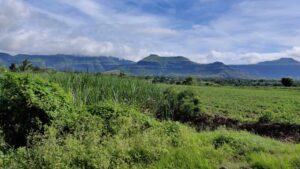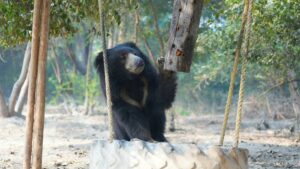
Wildlife SOS’s Bannerughatta Bear Rescue Centre (BBRC) in Karnataka, is the world’s second largest facility dedicated to rescued sloth bears, the first one being Wildlife SOS’s Agra Bear Rescue Facility (ABRF) in Uttar Pradesh. Established in 2005 in collaboration with the Karnataka Forest Department and the Zoo Authority of Karnataka, the centre played a historic role in rehabilitating bears rescued from the centuries-old practice of ‘dancing’ bears. Today, BBRC provides long-term, welfare-focused care for 58 rescued bears, many of whom endured years of cruelty before finding a safe haven. Located inside the Bannerughatta Biological Park, the centre’s rocky, dry-deciduous terrain gives rescued sloth bears space to dig, den, forage, and thermoregulate, behaviours that are vital to their well-being.
Over two decades, BBRC has grown from a much-needed project within Wildlife SOS’s bear-rescue work into a model representing evidence-based wildlife rehabilitation. With a state-of-the-art veterinary clinic, thoughtfully designed enrichments for the bears, skilled caregivers, and eco-friendly operational practices, it now stands as a hub for conservation science, welfare innovation, and public education. As BBRC turns 20, here are 20 highlights that celebrate its journey of compassion and impact.
1. Rescues and Long-Term Care
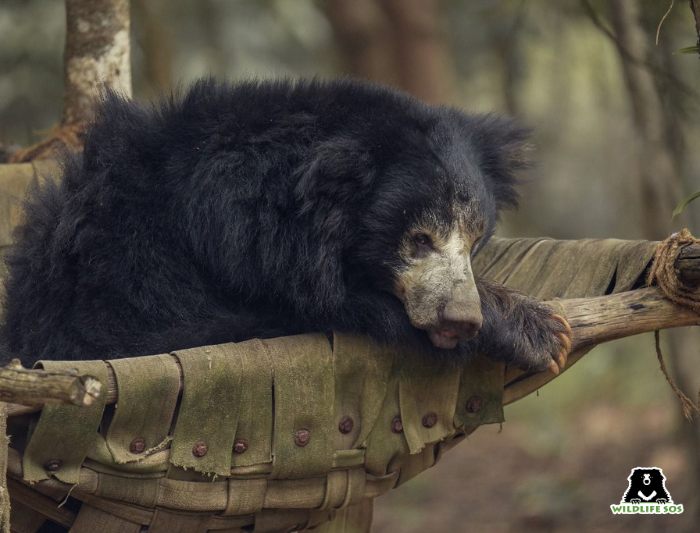
Since its inception, BBRC has provided sanctuary to 168 rescued sloth bears—143 of them former ‘dancing’ bears and 25 rescued from conflict situations or injury. Each bear’s journey reflects the trauma of human exploitation, from being tethered and beaten as cubs to suffering grievous wounds from snares and traps. At BBRC, these bears receive long-term care with access to nutritious food, open enclosures, and medical treatments. Their needs are met with caregiving tailored to their physical conditions. For instance, hammocks are installed at a lower height for Odum who is a miniature bear, as well as for geriatric sloth bears given their joint issues and levels of activity. Thoughtful measures by the team ensure the comfort and dignity of all bears under Wildlife SOS’s long-term care.
2. Advanced Veterinary Treatments
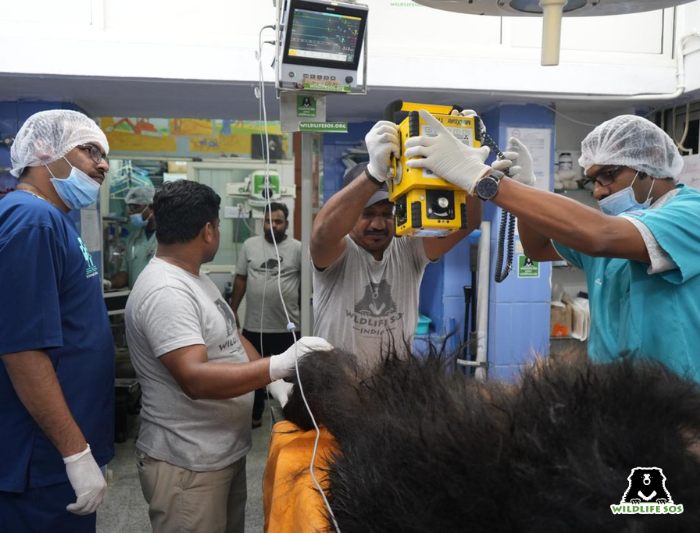
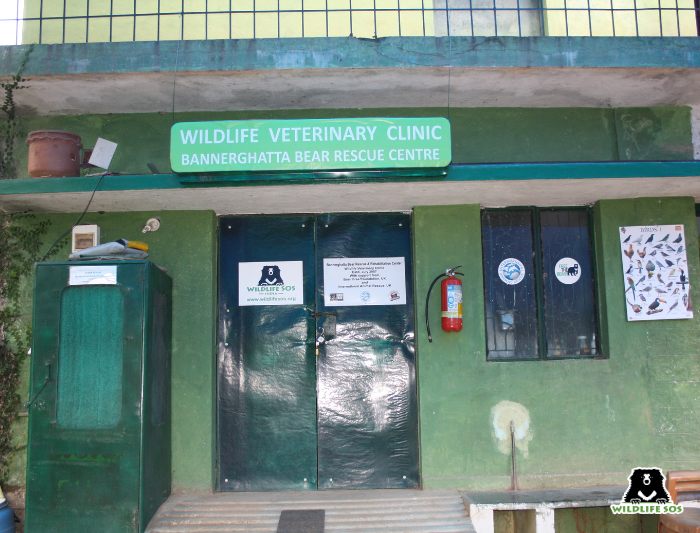
BBRC, along with ABRF, is at the forefront of embracing veterinary innovation for sloth bears. From wound management to orthopaedic care, the centre has repeatedly pushed boundaries to enhance medical care. Millie, one of BBRC’s sloth bears, underwent a cutting-edge procedure using tilapia fish skin grafts to treat a severe snare wound, setting a precedent for wildlife medicine in India. Vasi, another resident, was fitted with a prosthetic limb after losing a leg to a snare—making him the first sloth bear in the world to receive a prosthetic paw. This milestone operation was made possible with global prosthetics expert Derrick Campana, demonstrating the team’s commitment to giving rescued animals full, enriching lives. Kuber was rescued in 2011, and became the first sloth bear in India to undergo an MRI scan, proving BBRC’s willingness to adopt advanced diagnostic tools rarely applied in wildlife practice.
3. Nutrition and Nourishment
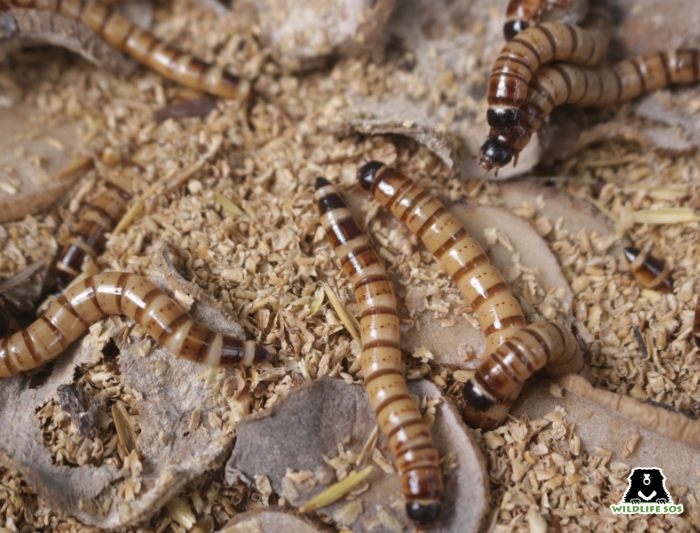
BBRC procures food responsibly to support both bears and local communities. Caregivers prepare a daily diet of porridge, fruits, honey, boiled eggs, and supplements tailored to each bear’s health profile. Honey is sourced from local communities nearby, fruits come from sustainable suppliers and seasonal produce is integrated into diets.This approach benefits the bears while promoting eco-conscious practices and goodwill among surrounding communities. Sloth bears in the wild are known to include certain insects as a nourishing part of their appetite. At BBRC, their meals are therefore supported by a dedicated mealworm and termite-rearing unit created at the centre, securing their supply.
4. Enrichments for Welfare
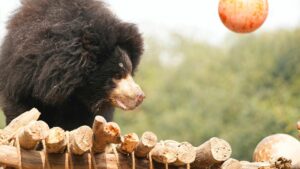
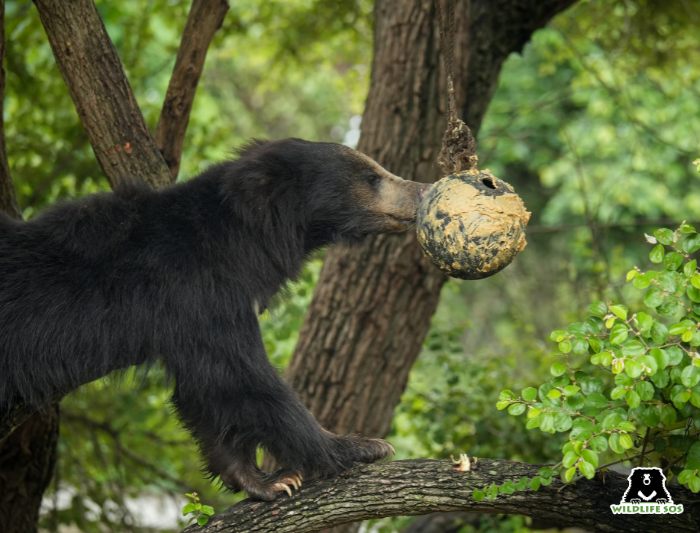
Rescued sloth bears often arrive with stereotypic behaviours developed from years of trauma in captivity. To address this, BBRC has developed a comprehensive enrichment programme that positively stimulates both mind and body. Structural enrichments like hammocks, rope braids, and tyres encourage them to apply their natural behaviours such as climbing, digging, foraging. Their problem-solving instincts are kept alive with food-based enrichments that include puzzle feeders, along with honey-laden logs and hanging balls covered in peanut butter that never fail to invite them. Among the bears at BBRC are blind ones too, who use their olfactory, tactile and auditory senses to engage with enrichments. For geriatric and disabled bears, enrichments are customised to cater to their comfort. This way, enrichments designed by caregivers ensure all residents remain active and mentally engaged for their overall well-being.
5. Target Training for Sloth Bear Care
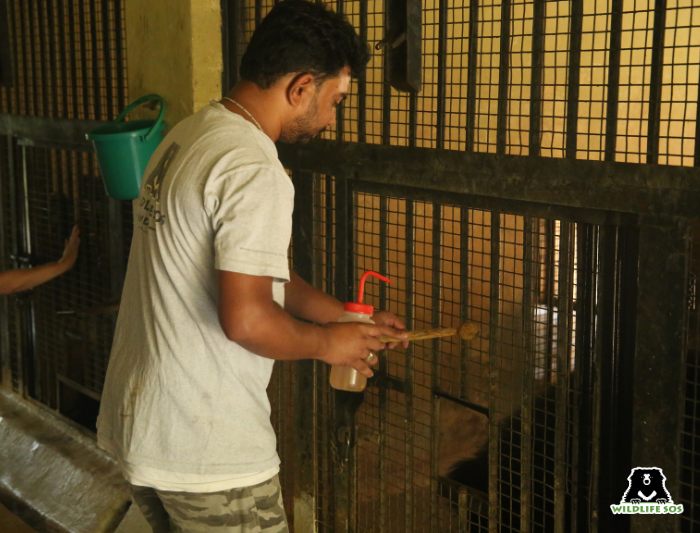
BBRC employs target training, a method using positive reinforcement, to help sloth bears respond to cues, making medical care smooth for both animals and caregivers. Edible treats act as motivating factors, and are rewarded to sloth bears during these sessions. This technique is conducted inside bear dens and is especially valuable for rescued bears requiring medical examinations and procedures, as it enables them to participate voluntarily in their own care. Target training is a cornerstone of BBRC’s approach, ensuring that bears cooperate for routine check-ups like dental care and other treatments without undue stress.
6. Kalandars to Caregivers
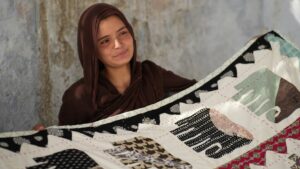
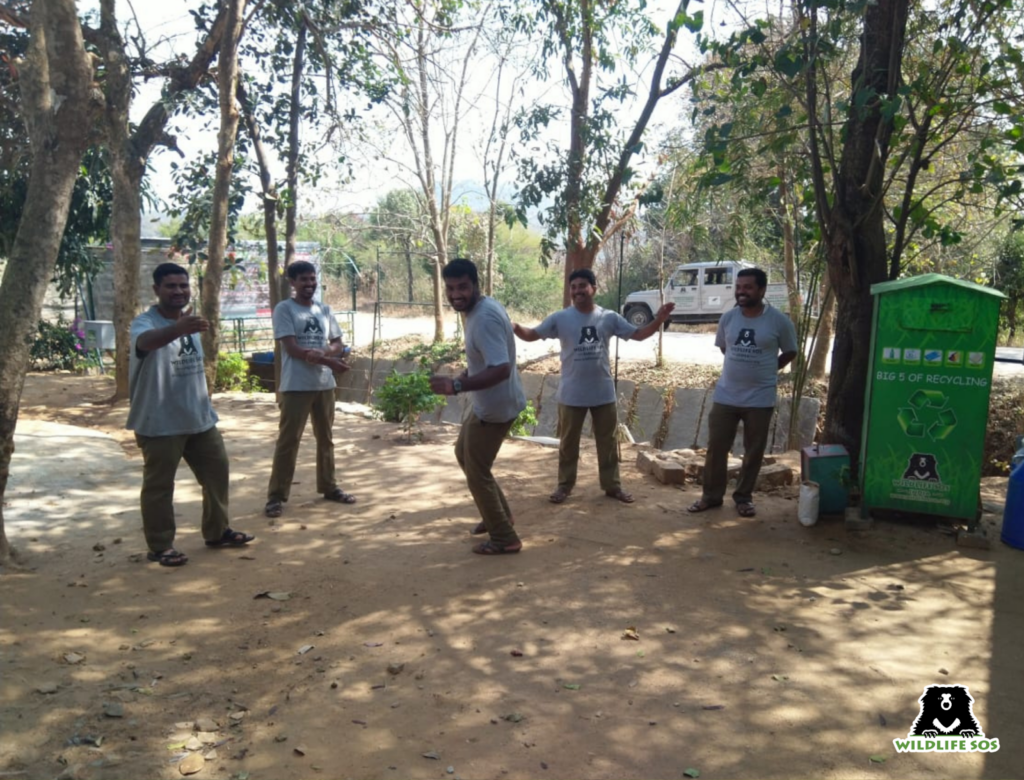
A defining achievement of BBRC has been transforming the lives of several Kalandar families. Once dependent on exploiting bears for street performances, the Kalandars community is now supported through alternative livelihoods. One such is their dedicated involvement as caregivers at BBRC. Those who were once making the bears dance for entertainment were also the ones that were closely familiar with their bears. Steering them away from a harsh approach towards one that was humane, compassionate and caring demonstrates how community-focused solutions within conservation practices can create lasting change for both people and wildlife.
7. Pioneering Research of Understudied Sloth Bears
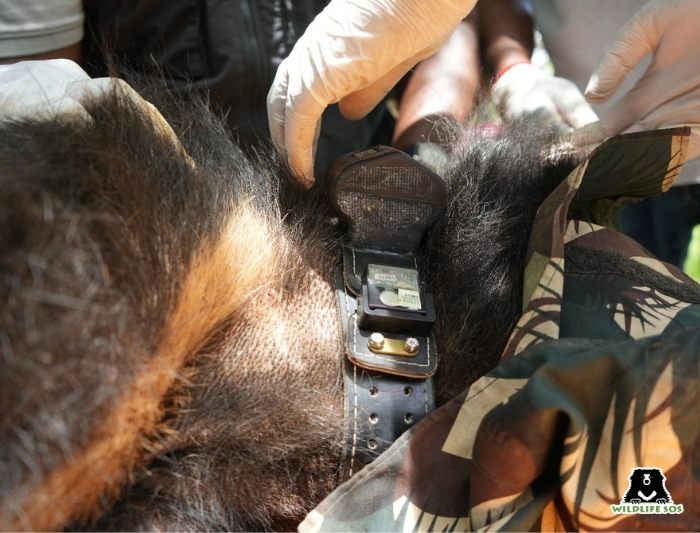
Sloth bears are the least researched of the eight bear species in the world. BBRC functions as a research centre for sloth bears, integrating GPS, radio telemetry, den ecology, threat assessments, and veterinary insights to directly inform conservation of bears in the wild. In 2013, the centre began its in-depth study on sloth bears in Karnataka to assess sloth bear movements, population status, home range and habitat selection. A decade later, to gain further insights into their use of habitat corridors and mitigate rising conflict situations, Wildlife SOS initiated a five-year-long project of collecting verifiable data by radio-collaring 10 sloth bears. These radio collars are enabled with VHF and GPS to track the bears’ movements. In 2014, Wildlife SOS also began the Sloth Bear Denning Project in forest divisions of Karnataka to understand their denning pattern. Techniques like camera traps helped identify over 500 resting dens, and 42 maternal dens across forest divisions. What was astonishing was the revelation that most of the maternal dens were in proximity to human settlements. An intense study has highlighted threats such as snares, open wells, and roadkill in the state, leading to practical recommendations like well lips, anti-snare enforcement, and wildlife crossings. BBRC’s findings now guide not only local management, but also sloth bear conservation strategies across India.
Read more on published research:
Sloth bear attacks on the Deccan Plateau of Karnataka, India
Sloth bears and anthropogenic risks in Karnataka, India
Sloth bear maternal and resting den locations in eastern Karnataka
8.Veterinary Excellence and Training
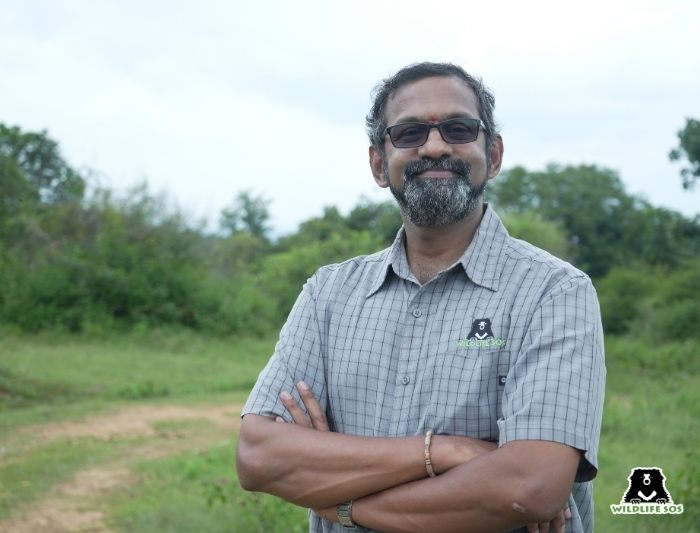
The veterinary team at BBRC continues to pioneer new approaches in wildlife care, shaped by the leadership of Dr. Arun A Sha, Wildlife SOS Director of Research & Veterinary Operations. His expertise has strengthened the centre’s ability to address complex medical challenges, from treating snare wounds to performing intricate dental and orthopedic surgeries. Over the years, Dr. Arun has personally trained and mentored more than 60 veterinarians, many of whom now lead wildlife care across Wildlife SOS facilities. His emphasis on low-stress conditioning, innovative surgical techniques, and evidence-based medicine has positioned BBRC as a model for wildlife veterinary care in India. BBRC also serves as a training hub for wildlife professionals, offering internships and hands-on experience in areas like anesthesia, orthopedics, and dentistry for wildlife. Under holistic mentorship, interns and trainees are enabled to take their skills to where animals are in need across the country, amplifying BBRC’s impact far beyond its own walls.
9. Green Energy and Infrastructure
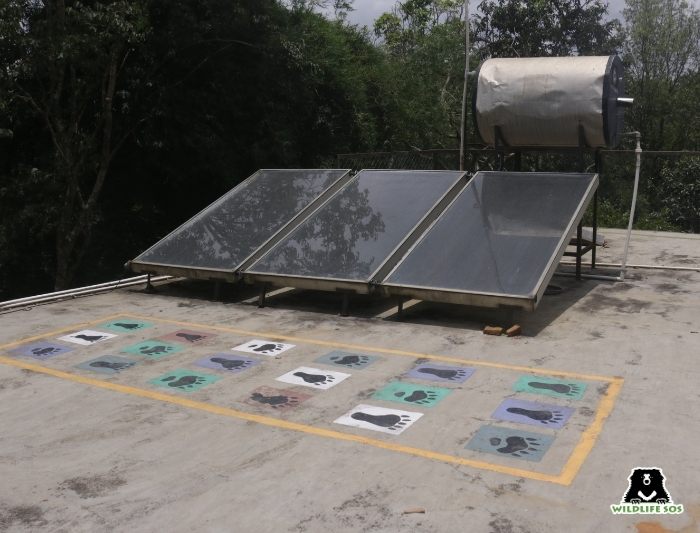
Sustainability is embedded in BBRC’s design. Since 2018, the centre has harnessed solar energy through rooftop panels, powering key facilities such as enclosures, electric fencing, and cold storage units, while reducing both operating costs and environmental impact. Solar power also supports essential equipment in the bear kitchen, ensuring daily operations run on clean, renewable energy. Enclosures and dens are designed to maximise natural light and ventilation, providing comfort for trauma-affected bears while minimising reliance on artificial resources.
10. Eco-friendly Practices in Bear Kitchen
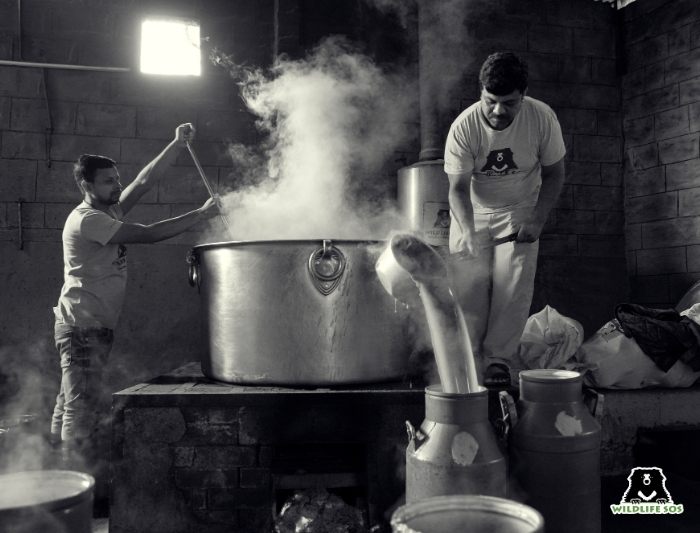
BBRC’s eco-friendly bear kitchen runs entirely on biomass briquettes made from agricultural waste and wheat husk instead of gas or firewood, a practice the centre has followed for over 12 years. All food is prepared on-site, where the steam generated during cooking is also reused to boil eggs and heat water for cleaning utensils and equipment, ensuring minimal waste and making the most of every unit of energy.
11. Enclosure Design Evolution
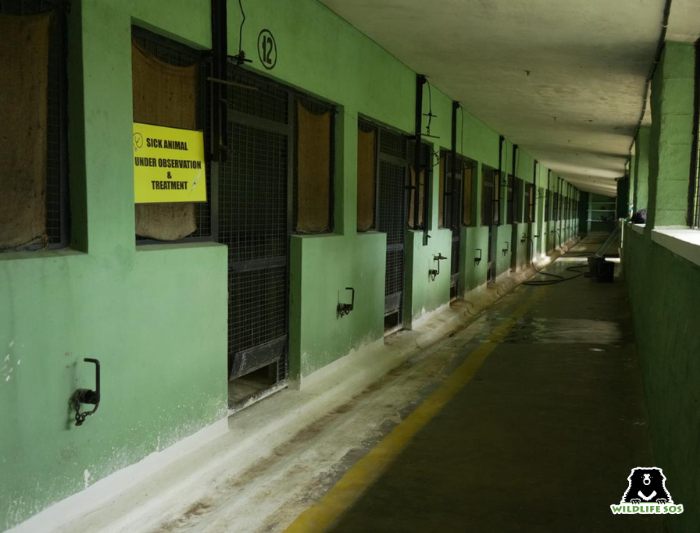
BBRC’s enclosures are maintained to meet behavioural and welfare needs. Early designs have been upgraded to reduce visual stress between bears, increase shaded areas, and provide natural features like soil and vegetation for foraging. Later enclosures were designed with ample natural light and ventilation, while also allowing easy access for veterinary care. This evolution reflects BBRC’s commitment to adapting global best practices to the Indian context.
12. Care For Sloth Bears Under Current Threats
When BBRC opened in 2005, it signaled the beginning of the end of the brutal ‘dancing’ bear tradition prevalent in South India. Built in collaboration with government partners, the centre initially housed bears rescued from Kalandar families who had been forced into street performances. What began as a dedicated effort to provide long-term care and a safe home for rescued ‘dancing’ bears has since grown into a vital facility for those injured by snare traps, poaching, and human-wildlife conflict, anthropogenic threats that are on the rise.
13. CSR and Strong Partnerships
Corporate partnerships have been instrumental in sharing awareness about this understudied species, and have played a key role in BBRC’s growth. Companies like Infosys and Atlassian have aligned with Wildlife SOS’s vision and mission, contributing towards infrastructure development, medical equipment, and staff training, while also encouraging employee volunteers to engage with conservation first-hand. These partnerships not only provide the funding to continue our dedicated care for rescued sloth bears, but also bring corporate employees into the conservation fold — getting to know their traumatic stories and witnessing efforts towards their welfare is an unforgettable experience that nurtures a deeper pride in contributing towards conservation.
14. Education and Awareness
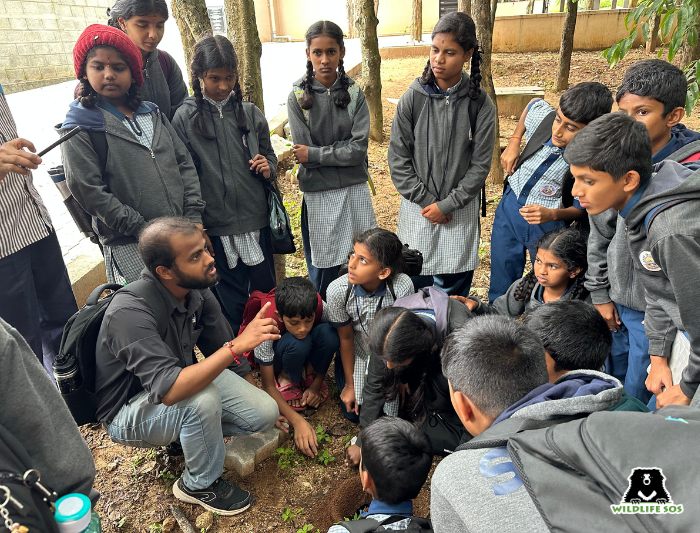
Education is a cornerstone of BBRC’s work. Over the past 20 years, the centre has hosted more than 1,000 school and college groups in Karnataka, combining interactive sessions on wildlife ethics with guided tours showcasing enrichment devices, rescue stories, nutrition, and human–bear conflict mitigation. Wildlife SOS’s Education Officers conduct outreach events and workshops at academic institutions in the state to inspire the next generation of conservationists. Awareness sessions integrate findings from Wildlife SOS’s research projects, educating students about the cruelty behind the former ‘dancing’ bear practice, the importance of wildlife conservation, and the value of coexistence. Seasonal outreach like Van Mahotsav and inclusive initiatives involving EnAble India volunteers further connect communities with hands-on conservation, embedding practical skills, sustainability, and empathy-driven stewardship that turn visitors and attendees into informed advocates and future conservationists.
15. Tiger Care: Gopal
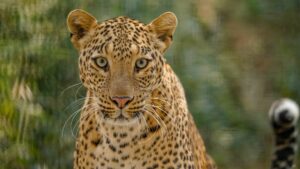
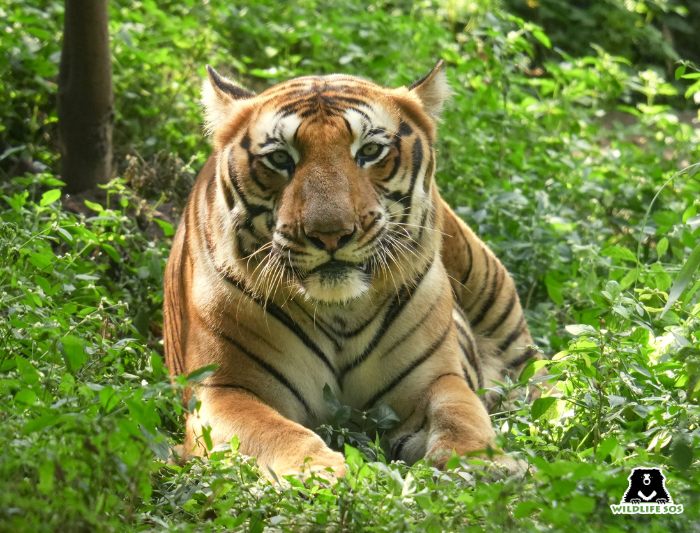
While the centre is dedicated to rehabilitating distressed sloth bears, the professional team at BBRC, in collaboration with the Born Free Foundation, also provides care to a majestic species that was once rescued from a dire conflict situation. Gopal is a royal Bengal tiger, and was provided a safe refuge within an expanse that is dense and green after being rescued in 2014. Now, the 17 year old tiger’s care — ranging from specialised diets to enrichments — has been tailored to suit his senior age, so that his natural behaviour and instincts continue to remain stimulated.
16. Bear SAFE Team Collaboration
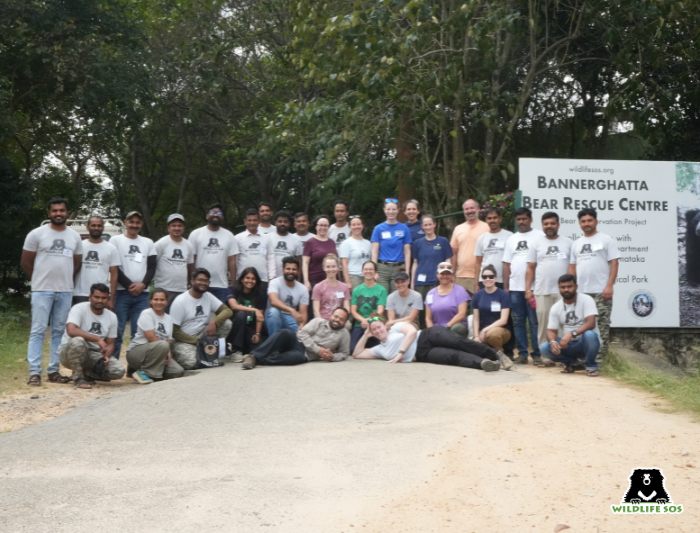
BBRC has hosted the Bear SAFE (Saving Animals From Extinction) team from the USA, fostering a valuable knowledge exchange in compassionate, stress-free bear care. This presented itself as an incredible opportunity for caregivers to learn about the advanced techniques in target training that includes side body presentations, dental and eye desensitisation, and non-invasive medical procedures, including adaptations for geriatric and visually impaired bears. Their visit strengthened BBRC’s protocols, enhanced veterinary and enrichment practices, and reinforced the importance of global collaboration in improving welfare standards and rehabilitation outcomes for rescued bears.
17. Community Clean-up Drives
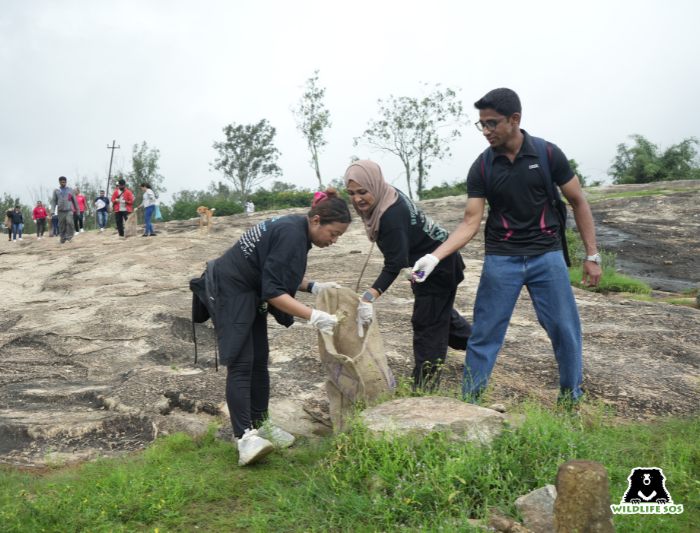
BBRC works with surrounding communities to foster stewardship of shared landscapes, and one of the ways the team does so is by regularly organising clean-up drives around Bannerughatta. These drives include eager volunteers from corporates such as JPMC, HSBC and many more, helping reduce waste so that the wild habitat remains natural and clean. Food waste is known to attract wildlife closer to human spaces, therefore these initiatives also serve as an awareness session on how to mitigate conflict situations. Clean-up drives are also accompanied with tree-planting efforts year-round, guiding communities on how small, local actions create safer, healthier ecosystems for both people and wildlife.
18. Seed-ball Making for Restoration of Habitats
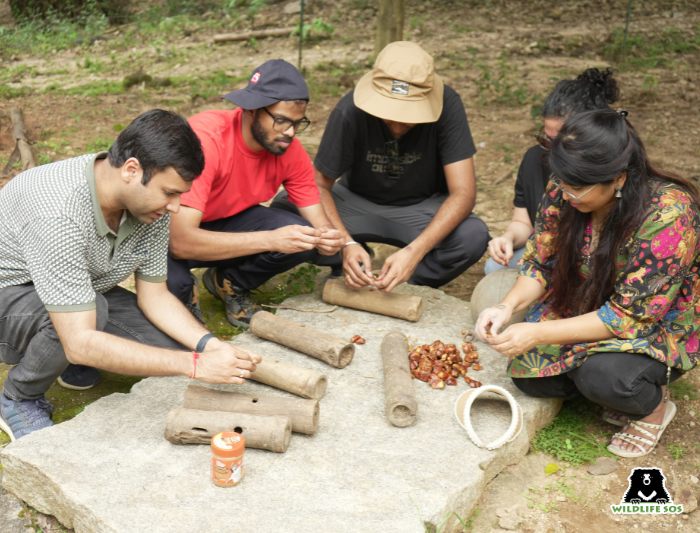
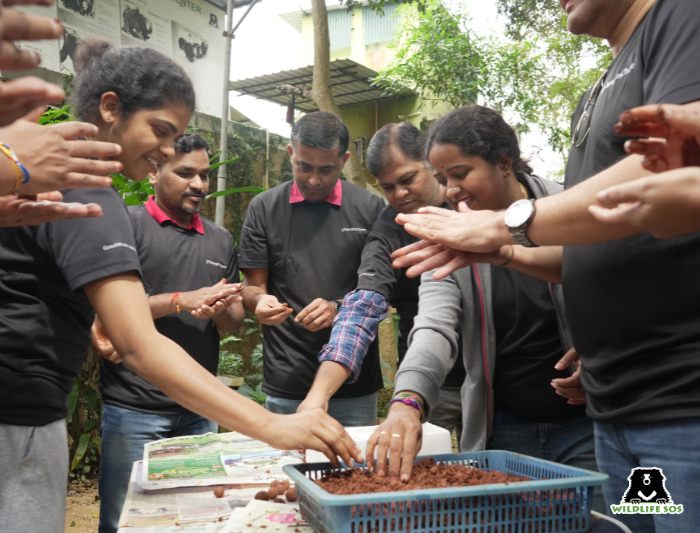
Restoring degraded habitat has been a long-term priority for Wildlife SOS. Over the years, BBRC has facilitated the planting of over 5,000 trees, often in collaboration with students, corporate volunteers, and community members. Seed-ball making workshops are a popular engagement tool, allowing participants to directly contribute to forest regeneration by creating small balls of clay, compost, and native seeds that protect the seeds from predators and harsh weather while enabling easy dispersal into hard-to-reach areas. These sessions help in fostering natural germination during rains and restoring sloth bear habitats in the process, while learning about sloth bear ecology and taking home practical knowledge to replicate the technique in their own gardens or local green spaces for everyday environmental impact.
19. Celebrity Visits
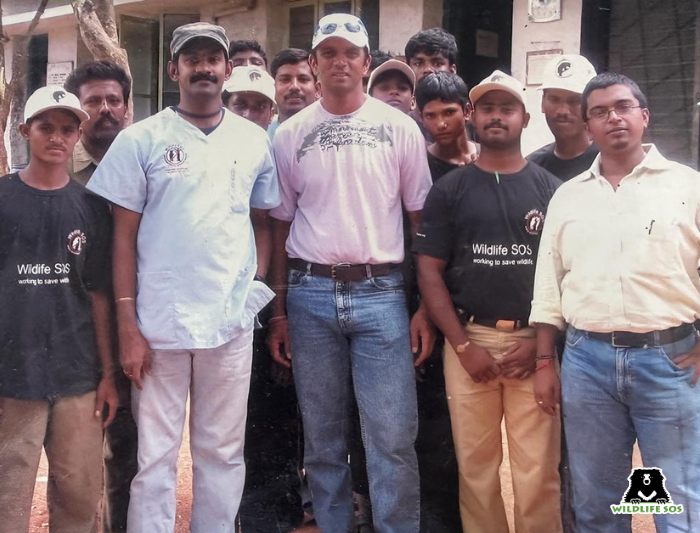
The centre has welcomed local and international figures, amplifying its message on bear welfare and ethical conservation. Hollywood actor Julia Roberts visited BBRC, and one particular rescue story touched her heart, making her lovingly name that bear “Odum”. Indian cricketer Rahul Dravid, and Kannada and Telugu actors such as Aditi Prabhudeva, Abhignya Vuthaluru, and Samyukta Hornad have toured BBRC, witnessing veterinary care, enrichments, and sustainable operations firsthand. These visits encourage and inspire people to come to the centre that is open for all to interact with our team and volunteer for the bears.
20. Celebrations at BBRC
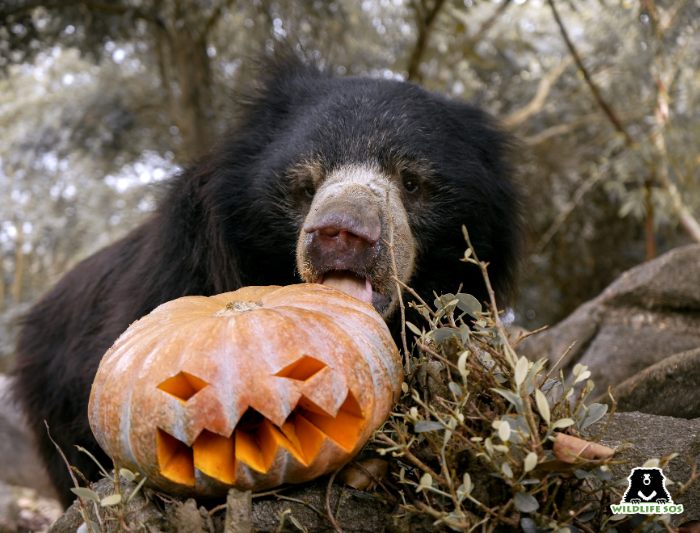
Festivals and awareness days at BBRC combine fun with education and welfare. From Christmas to Halloween, festive enrichments like honey-smeared logs and spooky-themed treats engage bears while delighting visitors. Important days such as World Wildlife Day and World Environment Day are marked with hands-on events that involve the community and corporate partners. Celebrating rescue anniversaries with our sloth bears carries with it extra special surprises such as enrichments filled with dates and peanut butter that are sure to bring them joy!
Then & Now: A 20-Year Journey
Bannerughatta Bear Rescue Centre is home to Adit, the last ‘dancing’ bear rescued in 2009. However, the journey for this facility never halted. Over the last two decades, the centre has grown from a bear rehabilitation facility within the Bannerughatta Biological Park into a dynamic hub offering advanced medical expertise, pioneering research, eco-friendly practices, nourishing and humane care, and essential knowledge sharing. BBRC continues to evolve, adapting new innovations and expanding its impact, becoming a leading example and source of inspiration for wildlife care in India.
Come Visit BBRC
BBRC is not just a rescue facility—it offers a living classroom for conservation. Visitors are warmly welcome to walk through the centre, witness the bears, and learn about their incredible recoveries. Each enclosure, each story, and each enrichment device conveys a lesson in how compassion and science come together to create change.
Plan your visit to Bannerughatta Bear Rescue Centre today, and join hands to support animal welfare, wildlife conservation and human-wildlife coexistence.
Feature Image: Hemanta Bijoy Chakma/ Wildlife SOS