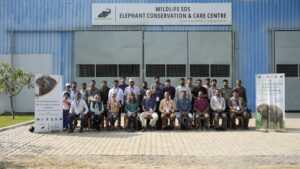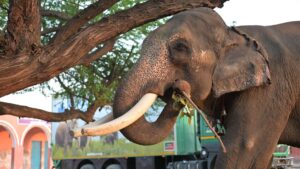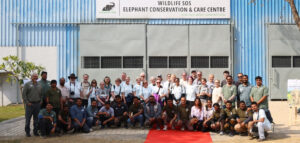
From February 23 to 28, 2026, the serene surroundings of Mathura transformed into a hub of learning, collaboration and compassion. The 3rd International Elephant Healthcare and Welfare Workshop, hosted by Wildlife SOS in collaboration with the Uttar Pradesh Forest Department, brings together veterinary doctors from across India and internationally renowned elephant experts under one roof. All united by one shared purpose: to improve the lives and quality of care for rescued elephants.
The success of knowledge sharing and hands-on experiences in the first two workshops held in Mathura, Uttar Pradesh and Guwahati, Assam brought a distinguished group together yet again to further the wellbeing of elephants under long-term care. This workshop began with an inaugural ceremony in Agra, followed by intensive technical sessions at the Elephant Hospital Campus (EHC) and the Elephant Conservation & Care Centre (ECCC) in Mathura. Over five days, veterinarians from different states across India participated in a blend of classroom learning and hands-on field training.
Inaugural Day – February 23, 2026
To commence the workshop, a formal inaugural function was held in Agra, marking the beginning of a much-awaited international gathering that included Sub-Divisional Officers (SDOs), Range Forest Officers (RFOs), and dedicated forest officials as well.
The event was inaugurated by Shri Bheem Sen, Indian Forest Service (IFS), Additional Principal Chief Conservator of Forests, Agra Zone, in the presence of Shri Rajesh Kumar, IFS, Divisional Forest Officer (DFO) Agra and Shri Venkata Sreekar Patel, DFO Mathura. Their presence underscored the importance of collaboration between wildlife organisations and the forest department in strengthening elephant welfare practices across India.
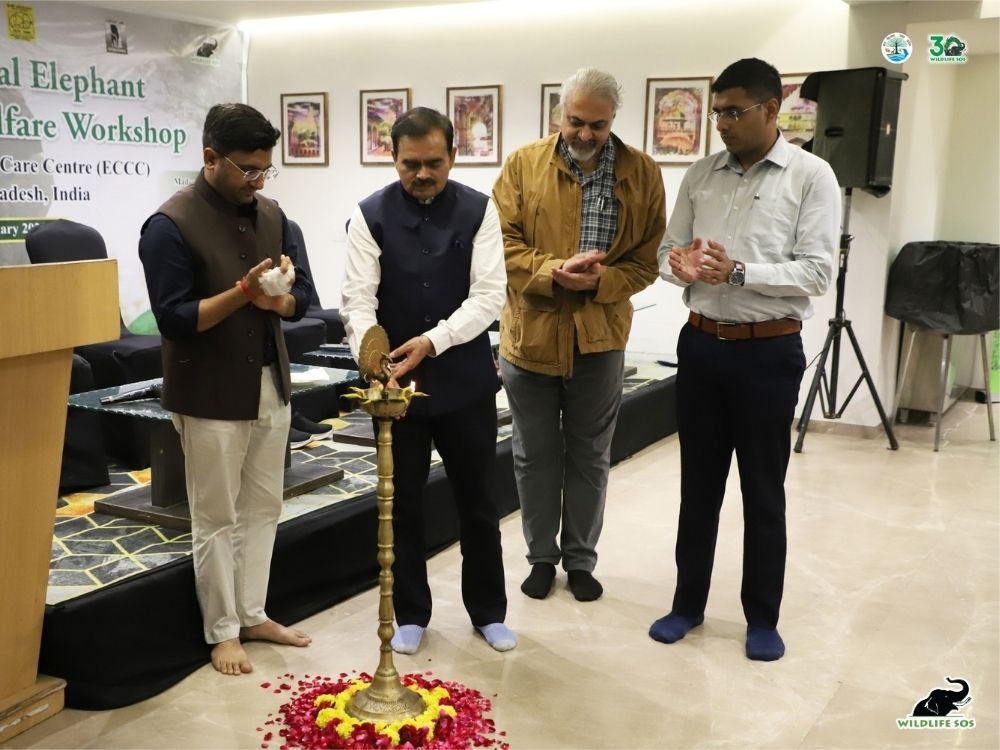
(L-R) The 3rd International Elephant Health Care and Welfare Workshop was formally commenced by Shri Rajesh Kumar, IFS, DFO, Agra, Shri Bheem Sen, IFS, Additional Principal Chief Conservator of Forests, Agra Zone, who lit the ceremonial lamp, Mr. Kartick Satyanarayan, Co-founder & CEO, Wildlife SOS, Shri Venkata Sreekar Patel, DFO Mathura, symbolising a collective commitment to advancing elephant healthcare and welfare across India. [Photo © Wildlife SOS/ Vineet Singh]
In his address, Shri Bheem Sen emphasised that such capacity-building initiatives are crucial in bridging the gap between scientific knowledge and field realities. He highlighted that improving veterinary skills directly impacts the welfare and long-term conservation of captive elephants.
Mr. Kartick Satyanarayan, Co-founder & CEO of Wildlife SOS, spoke about the need for specialised and compassionate veterinary care grounded in science and empathy. He reiterated that elephants are highly intelligent and emotionally complex beings that require not just medical attention, but ethical and welfare-oriented management as well.
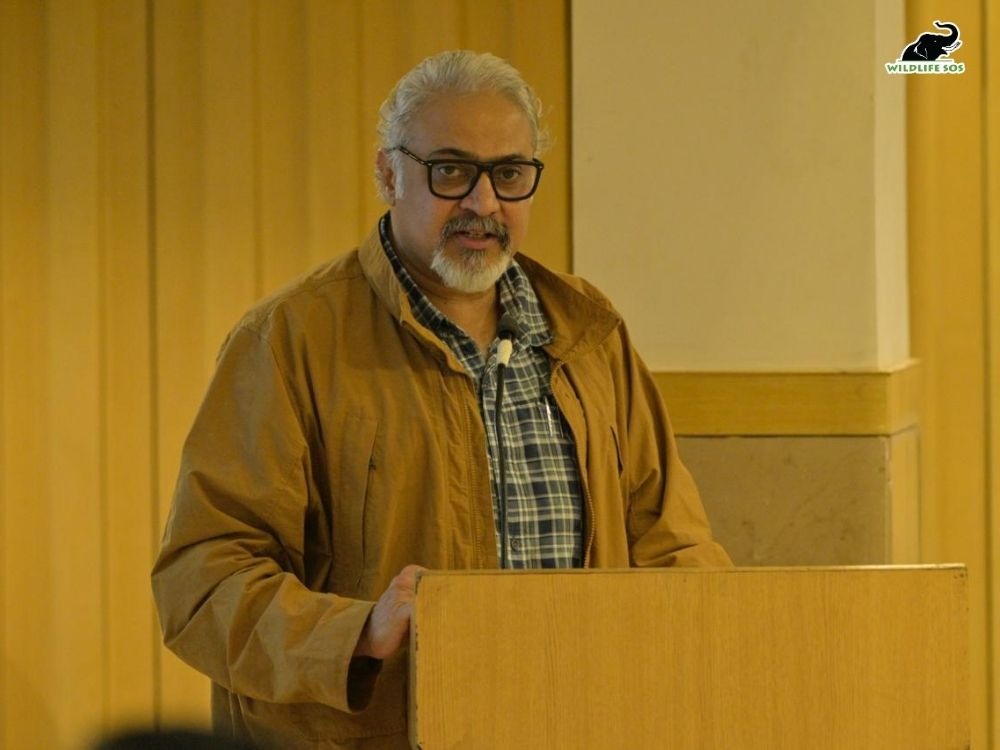
Setting the tone for the days ahead, Wildlife SOS Co-founder & CEO Mr. Kartick Satyanarayan underscored the need for science-driven, ethical and compassionate elephant care during the inaugural address. [Photo © Wildlife SOS/ Vineet Singh]
Among esteemed dignitaries were Dr. Susan K. Mikota, Director of Veterinary Programs & Research at Elephant Care International (USA), Dr. Janine Brown, Senior Scientist Emeritus, Center for Species Survival, Smithsonian’s National Zoo & Conservation Biology Institute, Dr. Willem Schaftenaar, Head Veterinary Advisor, EAZA (European Association of Zoos and Aquaria) Elephant TAG Researcher and Ms. Deborah Maloy, Registered Veterinary Technician (RVT), Elephant Care International. The guests shared their valuable thoughts, highlighting the value of sharing global best practices while addressing India-specific challenges in elephant healthcare.
Day 1 – February 24, 2026
Elephant Hospital Campus (EHC), Mathura
The first day of the workshop began with eager conversations and informative sessions. But it wasn’t a day of lectures alone, it was a day of observation, discussion and real-time learning beside elephants under care.
Building the Foundation through Classroom Sessions
The morning opened with a presentation by Dr. Susan K. Mikota, who spoke about the importance of careful, consistent physical examinations and how even subtle behavioural changes can indicate underlying health concerns in the elephants. She reminded the attending medical team that elephants may not always show pain obviously, so veterinarians must learn to read posture, movement, appetite and social interaction. She also explained the importance of combining experience with science, encouraging participants to rely on both observation and evidence-based practices when making clinical decisions.
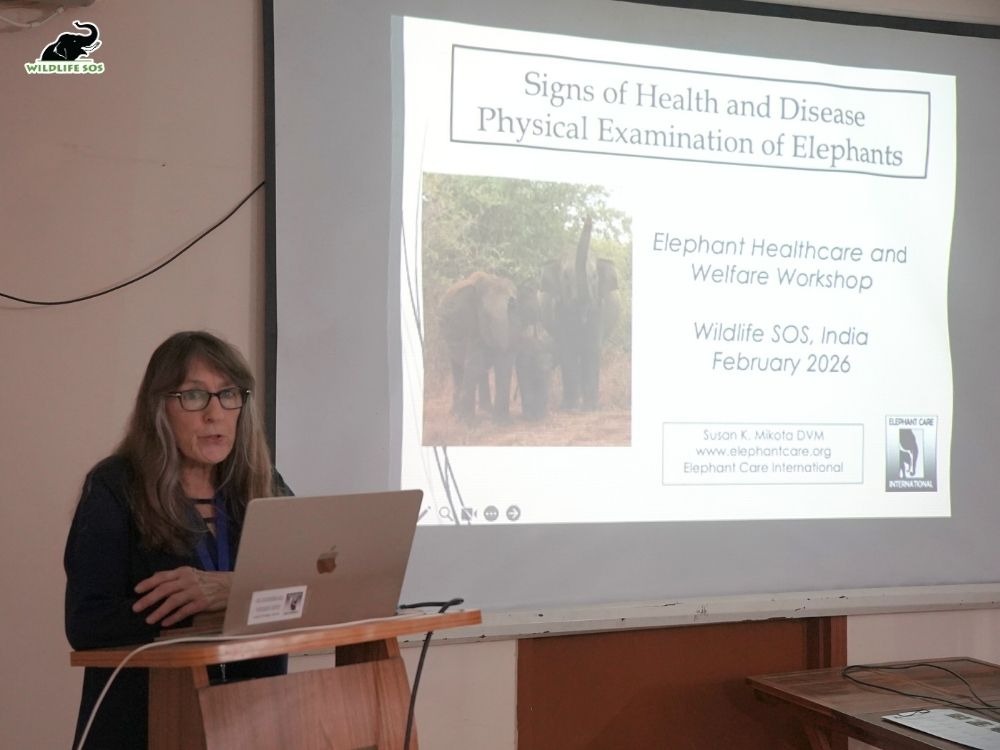
Dr. Susan K. Mikota, Director of Veterinary Programs & Research at Elephant Care International (USA), guided attending medical practitioners through the critical signs that distinguish good health from disease, emphasising the importance of thorough physical examination. [Photo © Wildlife SOS/ Chinmoy Swargiary]
Dr. E. Gochalan and Dr. Lalit Jangid, Wildlife SOS’s Veterinary Officers, followed this with discussions rooted in Indian field realities, sharing experiences and challenges faced in different states. Their session sparked meaningful dialogue, as many participants related to similar situations from their own field postings.
Dr. Willem Schaftenaar, also an Associate Researcher of Elephant Care International, then brought in a global perspective, emphasising structured health monitoring, regular record keeping and preventive care — especially foot health, which plays a vital role in an elephant’s long-term care.
Physical Examination Training
After the theoretical morning sessions, the workshop shifted outdoors at the Elephant Hospital Campus, where learning moved from theory to application.
The veterinarians attending represented the country’s prime animal welfare facilities such as Indira Gandhi Zoological Park, Sanjay Gandhi Biological Park, Chhatbir Zoo, Rajiv Gandhi Zoological Park, Kamla Nehru Biological Park, Bannerghatta National Park, Wildlife Research & Training Centre (WRTC), Dudhwa Tiger Reserve, National Zoological Park, Zoological Garden Alipore, Mysore Wildlife Circle, and Ratapani Tiger Reserve. The participants divided themselves into three groups, each assigned an elephant to closely observe:
- Dr. Willem Schaftenaar, assisted by Wildlife SOS’s Dr. Lalit Jangid and Dr Adithyan N., Ms. Deborah Maloy, with five attending veterinarians to collectively examine Lakshmi
- Dr. Susan K. Mikota, assisted by Wildlife SOS’s Dr. Rahul Prasad and Dr. Pramod Rajpoot, Dr. Janine Brown and four doctors from zoos and animal organisations. They were attending to Ginger
- Dr. E. Gochalan and Dr. S. Ilayaraja from Wildlife SOS, along with four veterinarians who had Kalpana to inspect
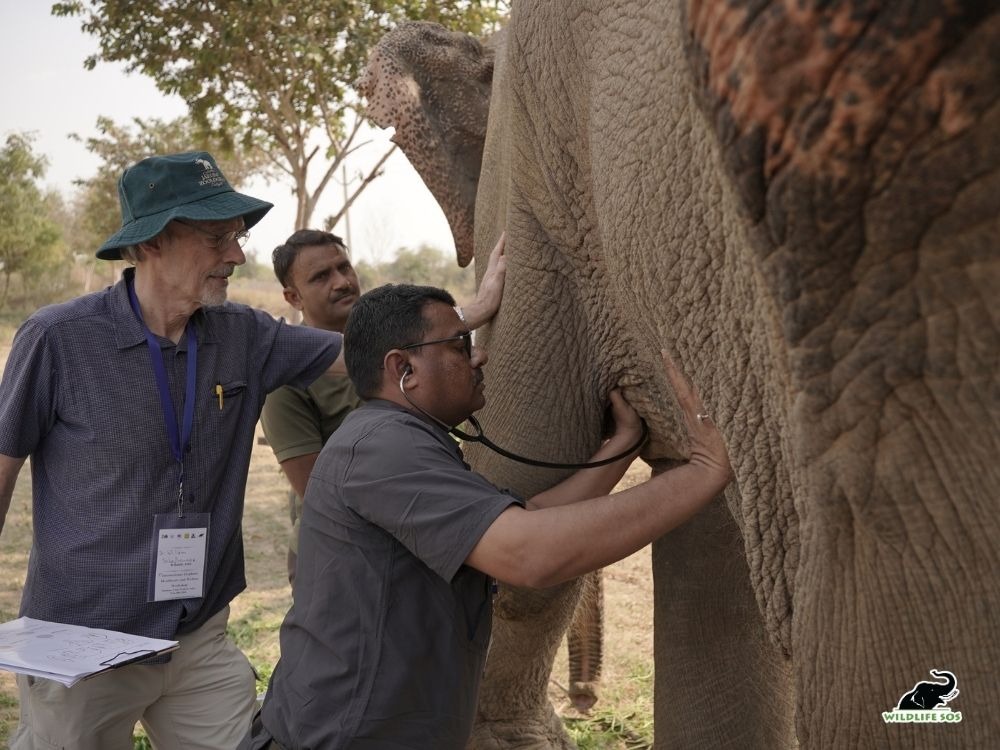
Dr. Willem Schaftenaar, Head Veterinary Advisor, EAZA Elephant TAG Researcher, addressed veterinarians’ questions and demonstrated how careful observation around the ears, neck and posture can reveal valuable insights into an elephant’s wellbeing. [Photo © Wildlife SOS/ Chinmoy Swargiary]
Participants held a detailed Elephant Physical Examination Sheet that was meant to guide them through every step of the assessment. From general check and body score, to foot health and eye condition, nothing was left on guesswork.
How to Approach an Elephant
Before any examination was conducted, the most important lesson was demonstrated: how to approach an elephant.
Participants observed body language, discussed safe positioning, and assessed locomotion. How the elephant walks, turns, distributes weight and responds to commands. Subtle changes in stride length, head movement or weight bearing were carefully considered. Dr. E. Gochalan highlighted how to be cautious and follow preventive measures, even if the elephant may seem silent and still. This may often be interpreted as the elephant being calm, but its intent eyes may convey otherwise.
Animal behaviour is a key aspect to sensitively understand before moving forward with medical care. As the elephants were given peanuts as motivating treats, they stood patiently with a strong sense of faith in the people surrounding them. The veterinarians then went ahead to gently examine them with quiet concentration.
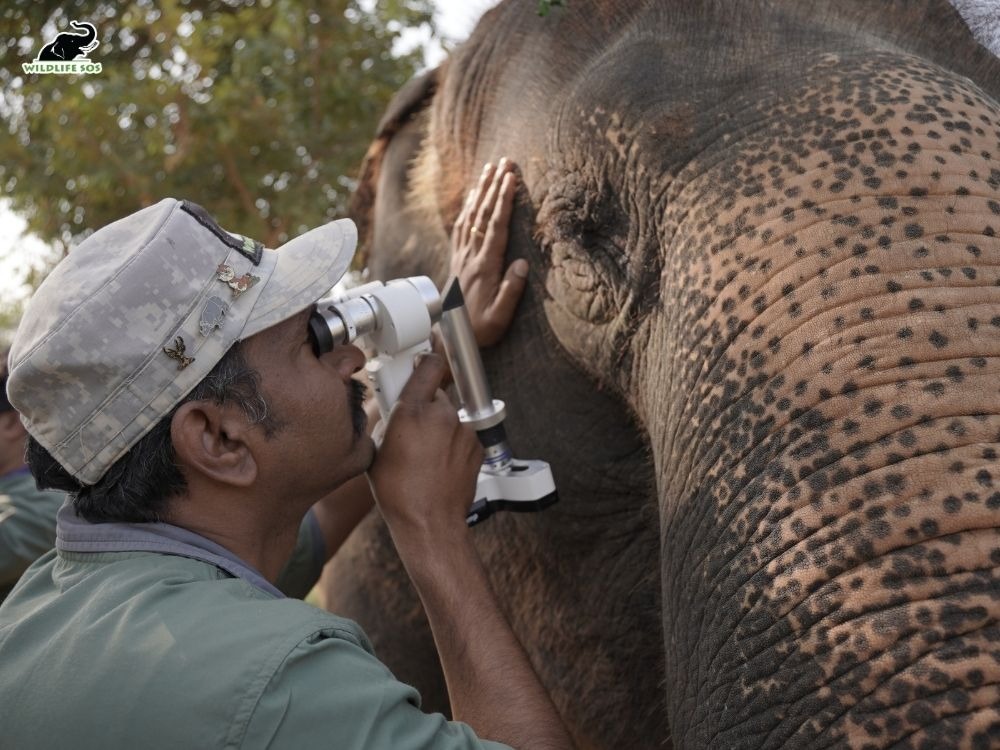
Dr. S. Ilayaraja, Deputy Director – Veterinary Services, Wildlife SOS, demonstrates a detailed eye assessment, highlighting the importance of every physical examination. [Photo © Wildlife SOS/ Chinmoy Swargiary]
Each group worked systematically to measure and monitor the following that were listed in the Elephant Physical Examination Sheet:
- Shoulder height and chest girth
- Body temperature
- Heart rate
- Footpads for cracks, overgrowth or injuries
- Skin, eyes, ears, trunk and oral cavity
- Any wounds or scars, which were marked by groups on the elephant illustration given in the sheets
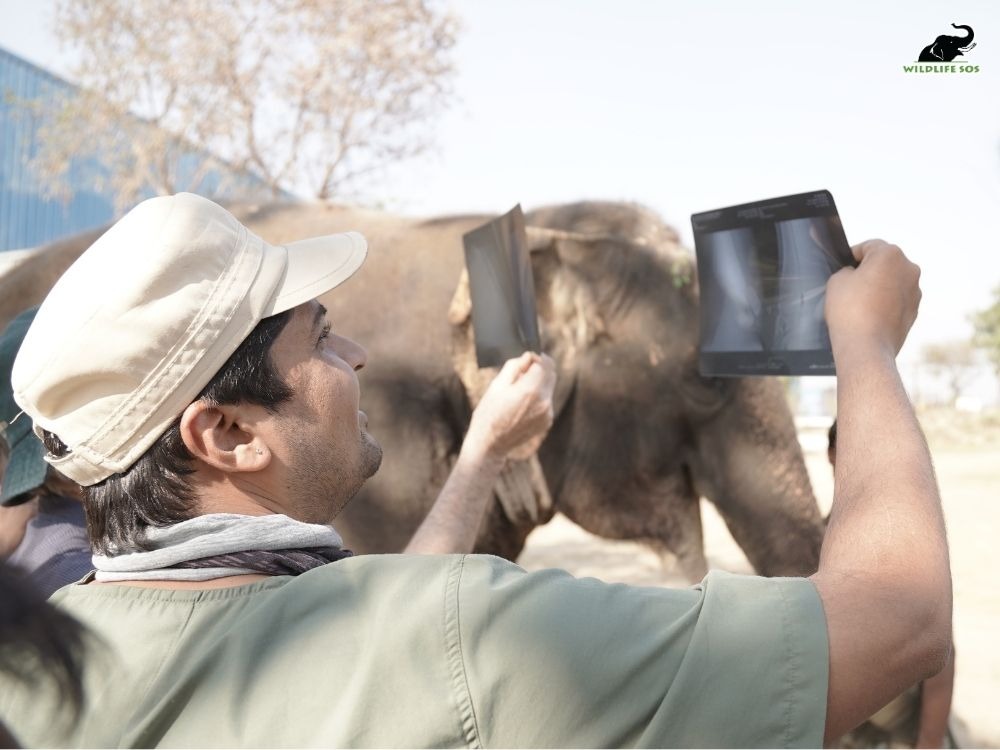
Participants observed X-rays of the feet and ankles of elephants that helped understand how foot problems become chronic and severe over time. [Photo © Wildlife SOS/ Chinmoy Swargiary]
One particularly engaging part of the session was estimating body weight using a field formula used for adult Asian elephants:
Estimated Weight = 18 x (Chest girth in cm) – 3336
Using this calculation, participants derived an approximate weight for each elephant. It is an extremely useful tool used to assess the weight of elephants in the wild, and for captive elephants in situations where weighing scales are unavailable, or when male elephants are undergoing musth. The elephants’ dung bolus was also examined and discussed, an often overlooked but important indicator of digestive health of an elephant.
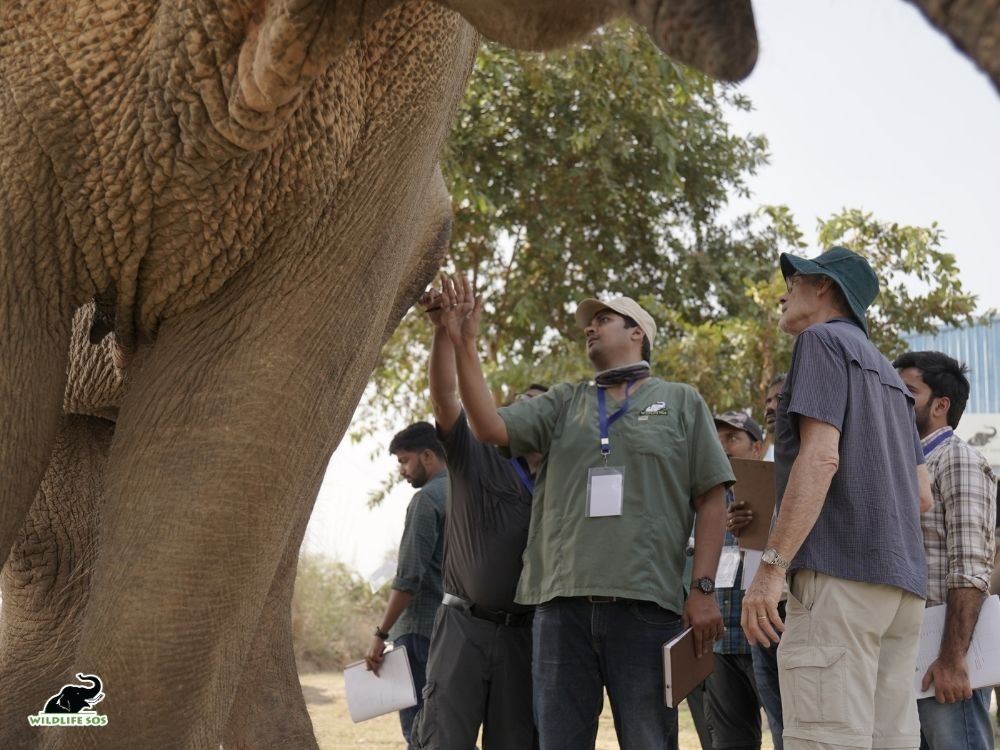
Combining observation with measurement, the veterinarian groups calculated body condition scores to assess overall health and nutrition. [Photo © Wildlife SOS/ Chinmoy Swargiary]
After assessing all parameters, each group calculated a Body Condition Score (1 to 5) for their assigned elephant, by combining observation, measurement and clinical judgement.
Beyond Examination: The Elephant Ambulance
The learning extended further as participants were introduced to the fully equipped Elephant Ambulance, a first of its kind in India. The group members together were explained how rescue operations are conducted, how injured elephants are transported safely, and what emergency medical equipment is carried onboard.
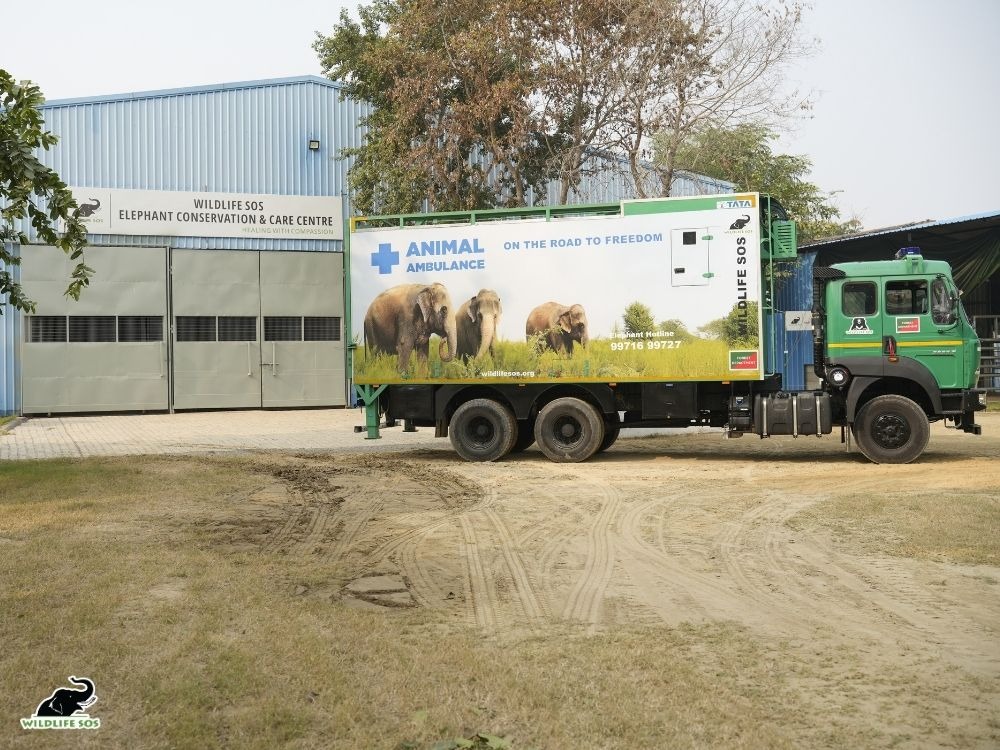
The specialised animal ambulance stands as a reminder that advanced veterinary care extends far beyond the clinic, reaching elephants wherever intervention is needed. [Photo © Wildlife SOS/ Vineet Singh]
For many field veterinarians, this practical exposure added a new dimension to their understanding of elephant rescue logistics.
Day 2 – February 25, 2026
Elephant Hospital Campus (EHC), Mathura
The second day began with a strong academic foundation which led to immersive field and laboratory sessions. The morning theoretical sessions equipped participants with the scientific framework required to understand the practical demonstrations that followed later in the day.
Diagnostics and Clinical Foundations
The day started with comprehensive presentations covering basic laboratory procedures, blood sampling techniques, elephant anatomy, and eye examination protocols.
Drawing from the session on “Basic Lab Procedures for Elephant Healthcare” by Ms. Deborah Maloy, participants were guided through the fundamentals of the elephant hemogram or complete blood count (CBC). They were given to understand how red and white blood cells, platelets, hematocrit (PCV), total protein, and differential counts can help veterinarians rule out a disease when examined alongside clinical history and physical tests.
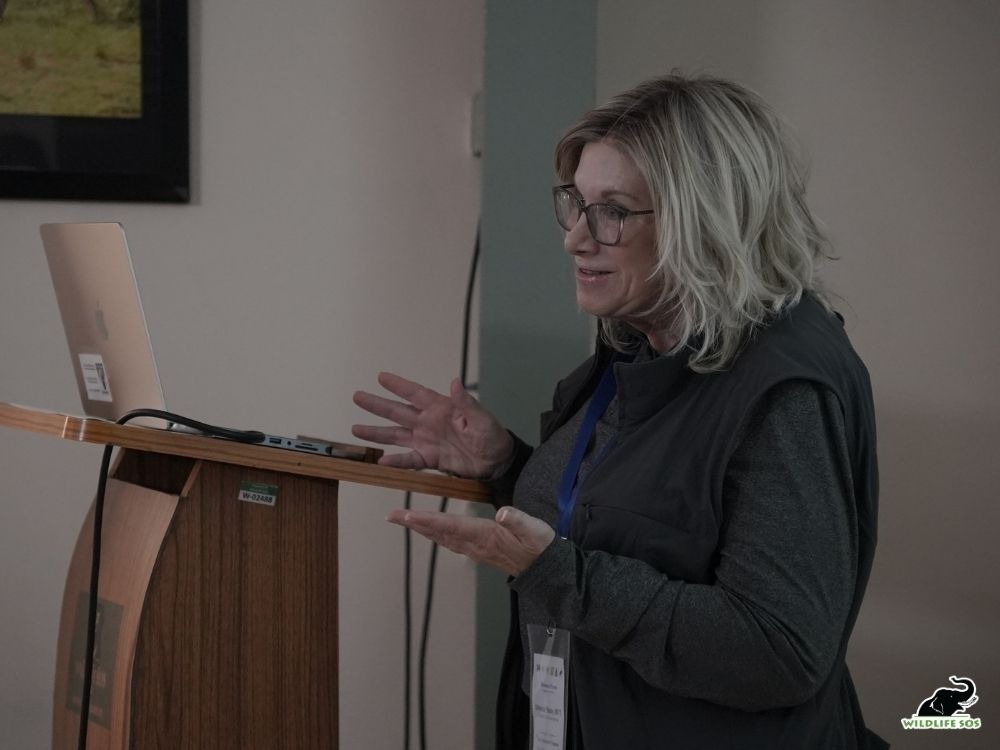
Ms. Deborah Maloy, Registered Veterinary Technician (RVT), Elephant Care International, dove deep into the science behind elephant diagnostics, equipping participants with the knowledge to interpret laboratory findings using clinical precision. [Photo © Wildlife SOS/ Chinmoy Swargiary]
The blood collection session addressed important concepts such as, vein selection, proper equipment usage, prevention of hemolysis, and maintaining aseptic technique. Special attention was given to identifying common blood collection sites such as auricular, saphenous, and cephalic veins, and the importance of safety for the elephant and the veterinary team was emphasised upon.
An anatomy-focused discussion, delivered by Dr. Willem Schaftenaar, reinforced participants’ understanding and knowledge of the elephant organ system and vascular points. This session allowed them to better correlate this knowledge with hands-on examination.
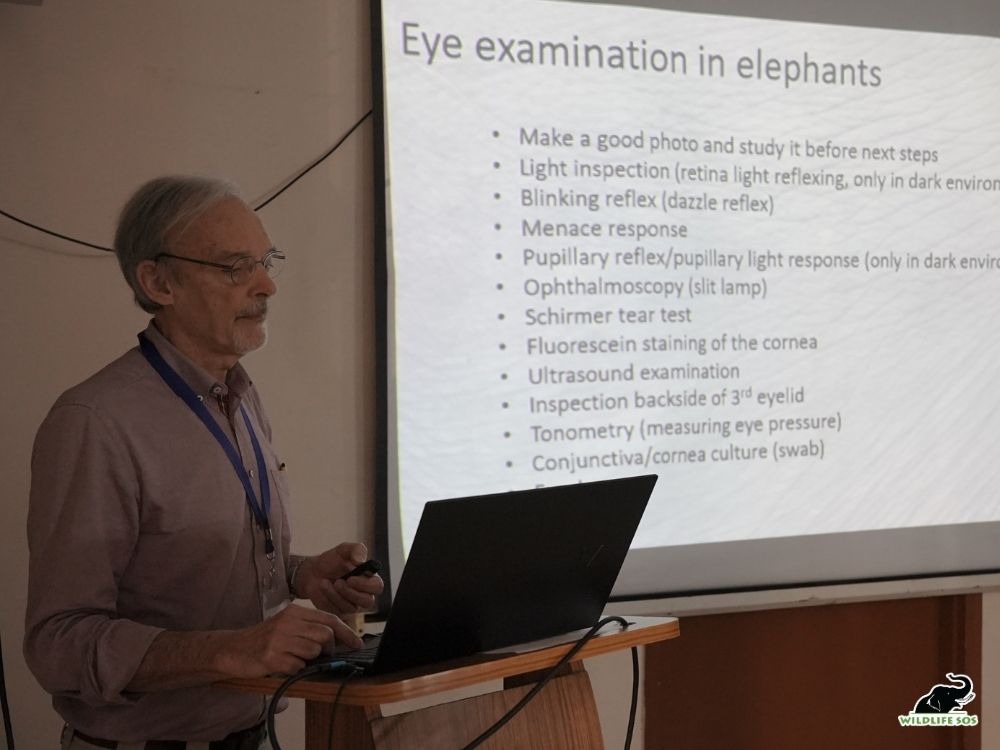
Dr. Willem guided participants through the nuances of ophthalmic evaluation in elephants, emphasizing early detection and the importance of systematic eye examinations in long-term welfare care. [Photo © Wildlife SOS/ Chinmoy Swargiary]
The final lecture for the day was on eye examination and common ocular conditions to further expand diagnostic skills. The participants learned how to assess the eye systematically, identify abnormalities, and understood the importance of early detection in preventing long-term complications.
Field Session: Blood Sampling and Safe Approach
With all the diagnostic learning in the theoretical sessions fresh in mind, participants moved outdoors for gaining practical knowledge via demonstration. They were divided into two groups: One group led by Dr. E. Gochalan, who worked with elephant Taj, the other led by Dr. Rahul, who engaged with elephant Pari.
Dr. Willem, Dr. Susan, and Dr. Janine joined the group observing Taj’s session, facilitating active discussion throughout the session.
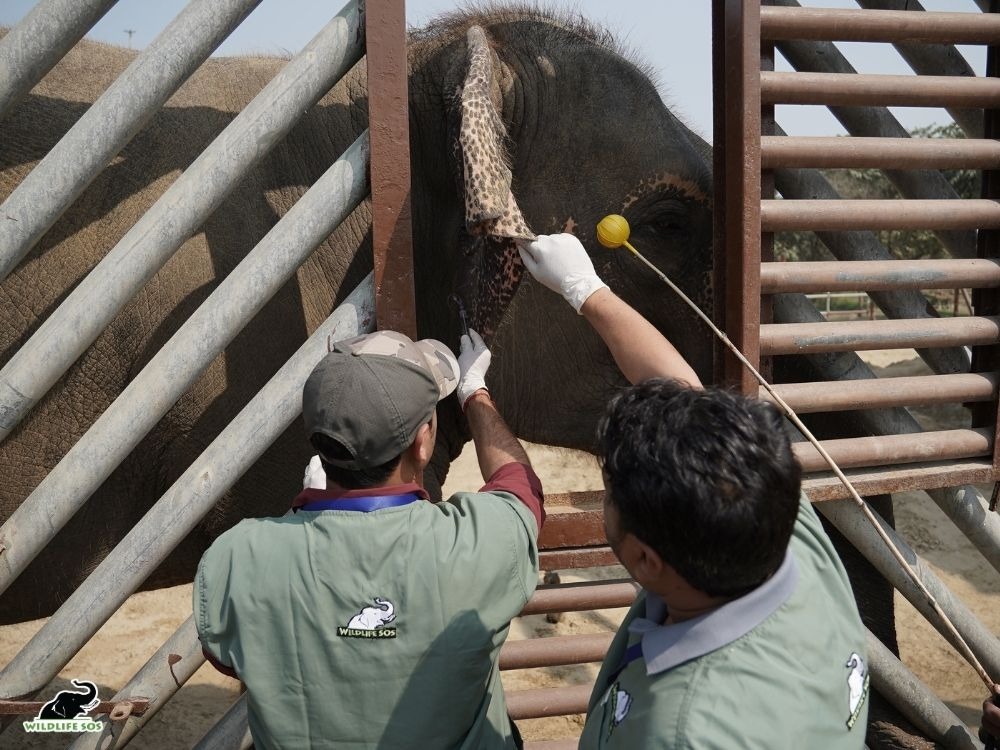
Working through the Elephant Restraining Device (ERD) in protected contact, Wildlife SOS veterinarians demonstrate the use of a target stick to position an elephant for a blood draw, showing participants how operant conditioning works. [Photo © Wildlife SOS/ Chinmoy Swargiary]
The session demonstrated how to safely approach elephants for blood collection while identifying veins in both forelimbs and hindlimbs. Participants observed correct positioning, communication cues, and safety protocols. It was emphasised that successful procedures rely on calm coordination and respect for the animal’s space. The addition of behavioural awareness with clinical techniques was a key takeaway from this session.
Laboratory Session: Hands-On Diagnostic Training
The afternoon session for the day returned indoors again, where participants were divided into three smaller working groups (4–5 members each), allowing for close supervision and active engagement.
Blood Smear Preparation – Led by Dr. Susan Mikota
The participants prepared the blood smears from the sample acquired in the field session. The prepared blood smears on slides were then examined under a microscope to identify the basic cell morphology of the sample. The major point of focus was the importance of slide quality, staining technique, and accurate interpretation of the observation. This technique allowed participants to identify blood morphology and detection of blood-borne parasites or abnormalities. The group learned that a good smear is both an art and a science!
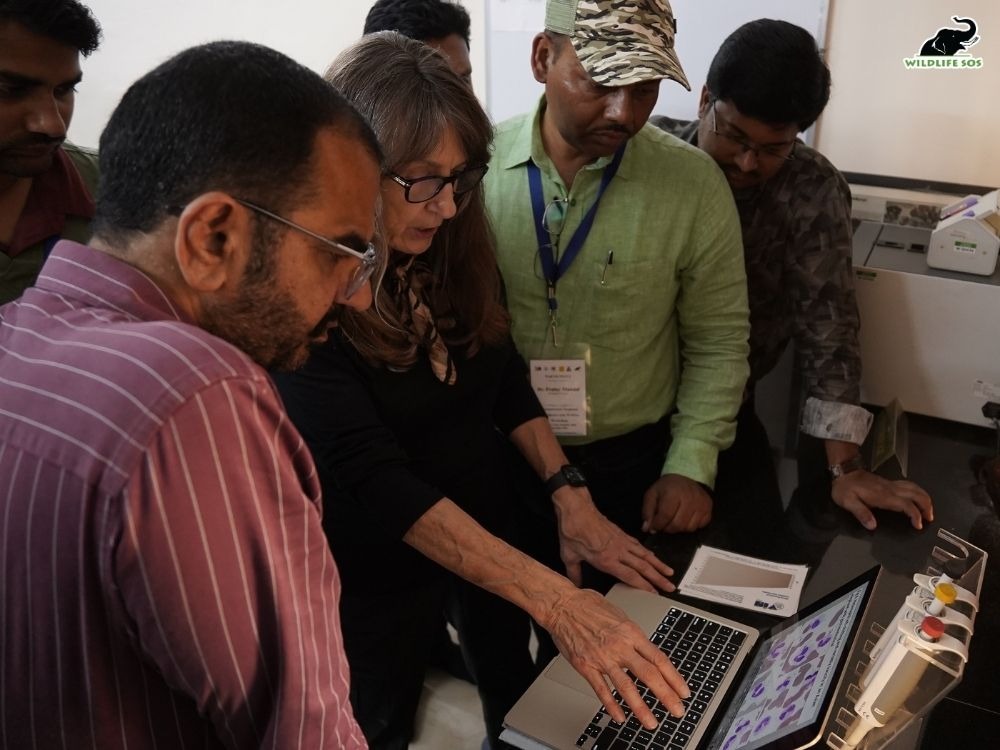
Dr. Susan, guides participants through blood smear analysis on screen, showing how microscopic findings translate into clinical decisions for elephants in the field. [Photo © Wildlife SOS/ Chinmoy Swargiary]
Manual WBC Analysis – Led by Ms. Deborah Maloy
The second group focused on white blood cell (WBC) analysis. Working with a WBC dilution fluid and thin capillary tubes, participants prepared samples in tubes, loaded them onto slides, and examined them under a compound microscope to count and differentiate WBCs. A differential WBC count can reveal a great deal about an elephant’s immunity, whether any infection or inflammation is present.
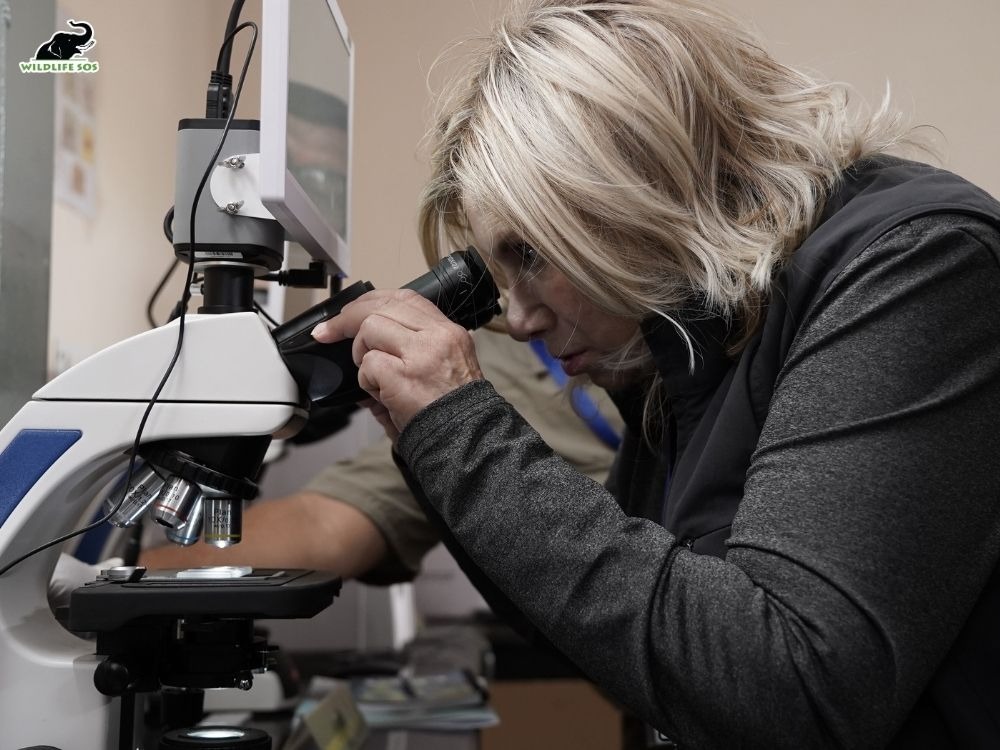
Ms. Deborah Maloy examines a blood smear under the microscope during the laboratory session, bringing decades of research experience to bear on a skill every field veterinarian in the room needed to take home. [Photo © Wildlife SOS/ Chinmoy Swargiary]
Serum Separation & Total Protein – Led by Dr. Willem Schaftenaar
The third group worked with blood serum analysis, and their station generated the most curiosity from the rest of the room. The method they used was the paperfuge: a low-cost, hand-powered centrifuge that works on the same principle as a spinning top or a yo-yo. Participants filled small tubes with blood samples, attached the tubes to the paperfuge device, looped the thread around two sticks, and then pulled the sticks apart in alternating motions, spinning the device fast enough to separate the blood into its cellular and serum components.
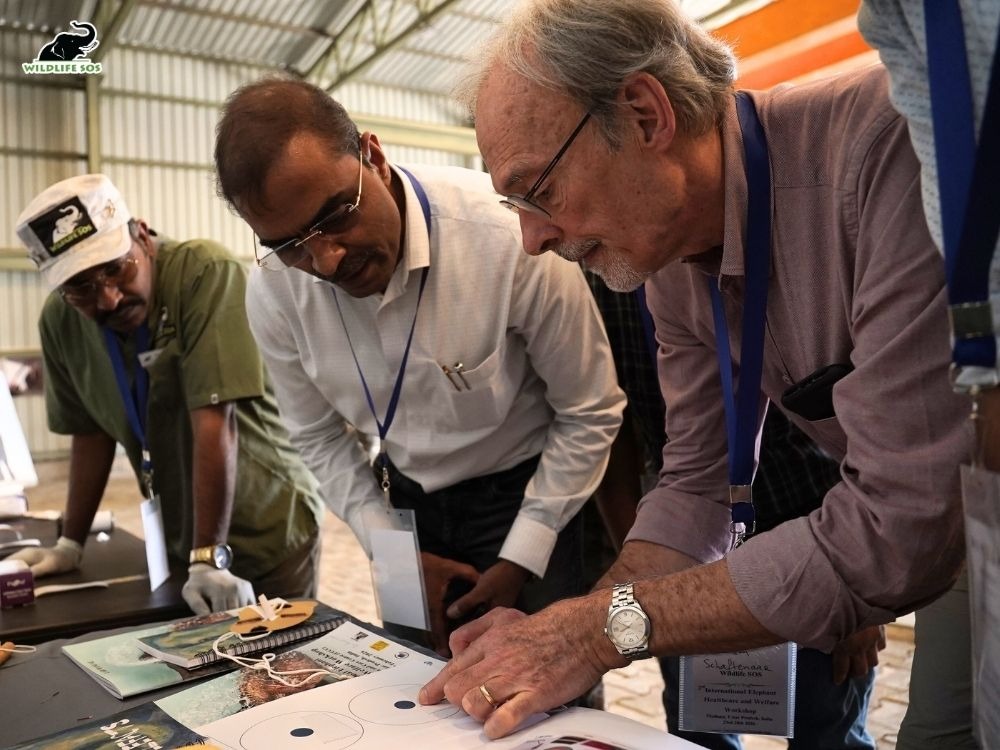
Dr. Willem demonstrated the use of the paperfuge, guiding participants through this innovative, low-cost centrifugation technique and its practical application in field-based blood analysis. [Photo © Wildlife SOS/ Chinmoy Swargiary]
Once separated, the serum was examined using a refractometer, which is a handheld optical instrument that measures the concentration of dissolved substances in a liquid. Participants checked the protein levels in the serum, and the reading came out at approximately 7.3 g/dL, which falls under a normal range for Asian elephants. Knowing an elephant’s serum protein levels is clinically useful for assessing nutritional status, detecting chronic disease, and monitoring overall health over time.
The laboratory sessions demonstrated that effective diagnostics depend not only on advanced technology but also on skill, precision, and understanding.
Day 3 – February 26, 2026
Elephant Hospital Campus (EHC) & Elephant Conservation & Care Centre (ECCC), Mathura
The third day of the workshop shifted its focus towards a broader, yet equally critical theme: elephant welfare. It was comparatively the most philosophically rich day of the workshop so far.
The Science and Ethics of Elephant Welfare
The morning opened with Dr. Janine Brown presenting a session on fundamentals of welfare for a captive elephant. The session explored nutrition, obesity, and the foundational principles contributing to an elephant’s physical and psychological well-being. The discussion amongst the participants encouraged them to think beyond disease treatment and pushed them to consider long-term lifestyle factors affecting health.
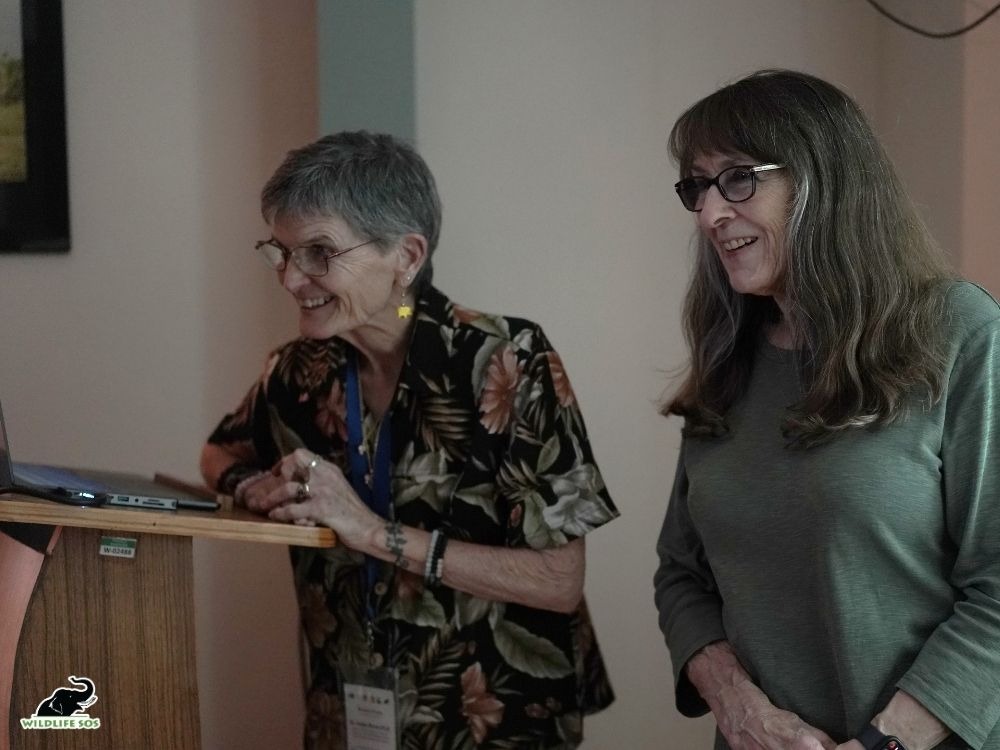
Dr. Janine Brown (L), Senior Scientist Emeritus, Center for Species Survival, Smithsonian’s National Zoo & Conservation Biology Institute, and Dr. Susan represent decades of field research and clinical practice that has helped reshape how the world thinks about the health and welfare of captive elephants. [Photo © Wildlife SOS/ Chinmoy Swargiary]
Dr. Susan followed this with a session on “Brief History of Welfare and Changing Perspectives in Society and Tourism”. This discussion focused on how elephant management practices have evolved over time, highlighting the growing shift toward compassionate, science-based care. She continued with another session that deeply explored welfare standards and protocols that now define best practice in elephant care. A particularly engaging presentation invited participants to analyse images and videos of elephants and describe the animals’ emotional or behavioural states. It was also discussed what could be done to mitigate or improve the situation. This became an exercise in empathy as much as clinical judgement, as it generated some of the most profound and engaging discussions.
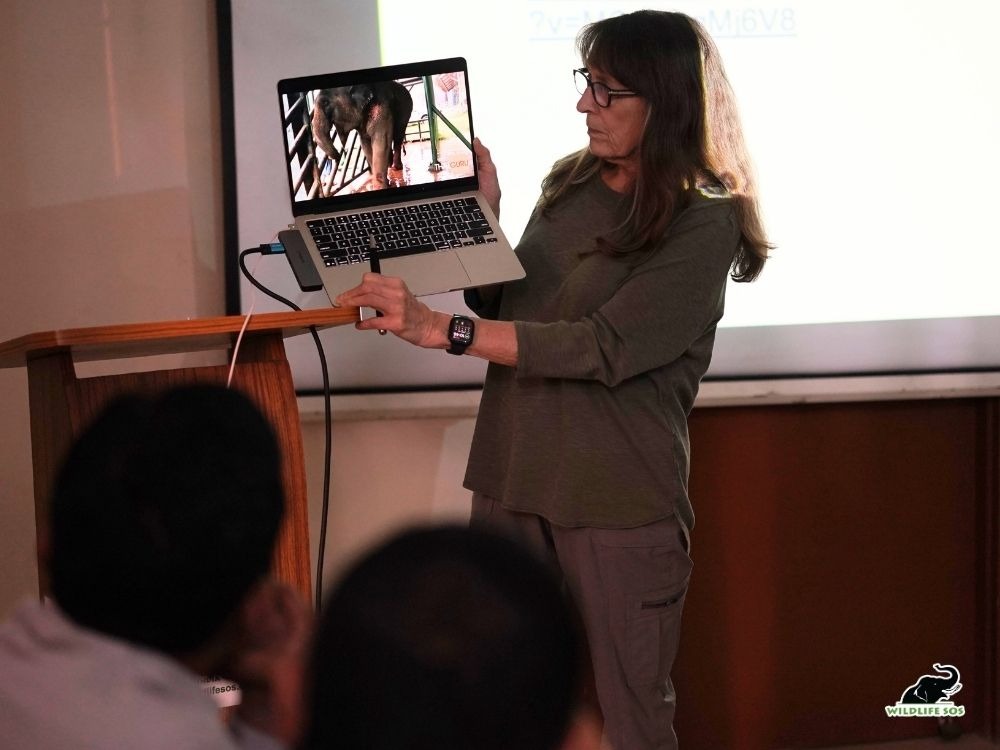
Sessions held during the workshop highlighted an important message: welfare is not just about the absence of disease, it is about ensuring that elephants also experience positive physical and mental states. [Photo © Wildlife SOS/ Chinmoy Swargiary]
Afternoon at ECCC: Positive Reinforcement and Enrichments
After a short break, participants visited the Elephant Conservation & Care Centre (ECCC) for practical demonstrations focused on target training, positive reinforcement, and enrichments. This practice brought the morning’s welfare principles to life. The group split into three teams led by Dr. Pramod Rajpoot, Dr. Lalit Jangid, and Dr. E. Gochalan, each working with different elephants: Laxmi, Maya and Phoolkali, and Chanchal respectively.
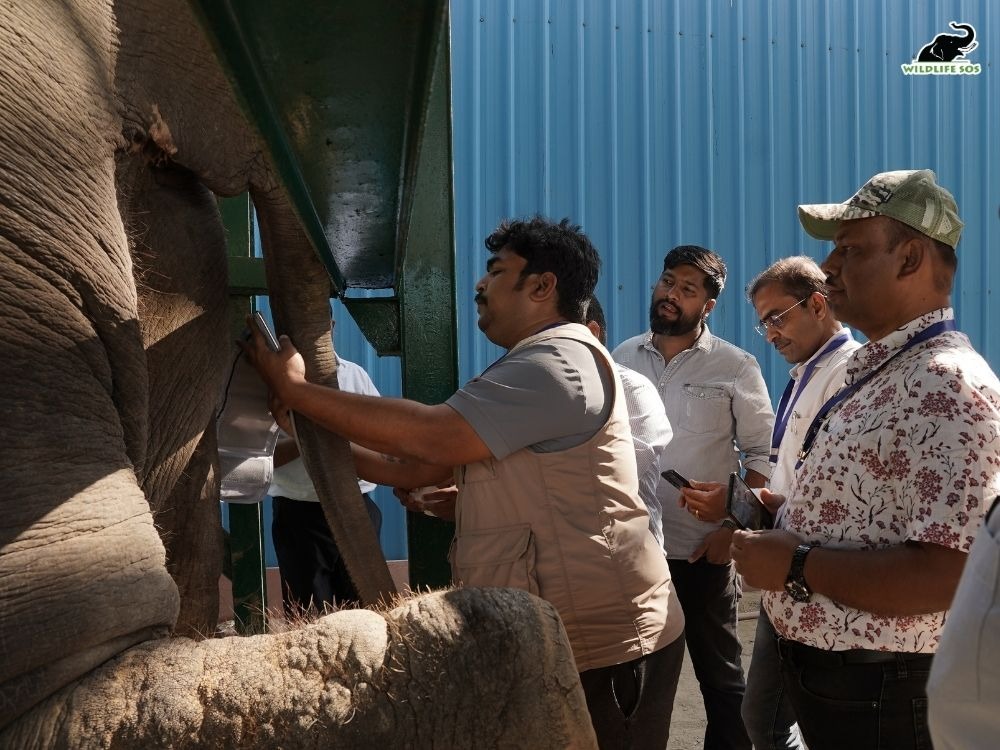
Dr. E. Gochalan, Wildlife SOS’s Veterinary Officer, demonstrates blood pressure measurement through the tail, which is a technique that requires both anatomical precision and a calm elephant. [Photo © Wildlife SOS/ Chinmoy Swargiary]
The demonstrations focused on target training and positive reinforcement. Watching an elephant respond to a target stick and receive a food reward not only illustrates the principle, but showed participants something more fundamental: that elephants are highly intelligent and responsive animals who learn willingly when motivation is present. Basic foot care practices were also demonstrated, as participants were guided through routine inspection methods in a protected contact setting.
Blood pressure measurement was also demonstrated using a monitoring device, with the group shown how to take an accurate blood pressure (BP) reading. It is a skill that requires both proper technique, composure, and a calm and cooperative elephant. Apart from this, the ear anatomy was also a point of focus, as the veins and arteries were identified and pointed out by the instructors, helping participants understand the ear’s significance both as a pulse point and as a key site for certain veterinary procedures.
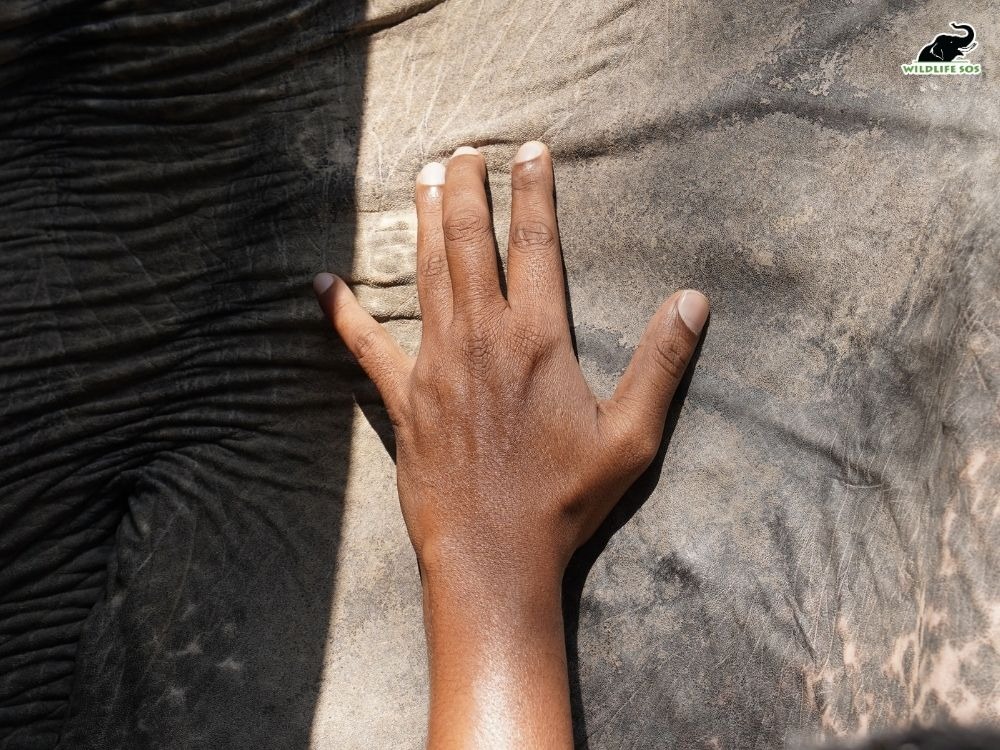
A participant rests a hand against an elephant’s flank during the physical examination. It is a gesture that captures the workshop’s core philosophy: understanding an elephant’s health begins with learning to be present with the animal, before reaching for any instrument. [Photo © Wildlife SOS/ Chinmoy Swargiary]
The session closed with one of the most hands-on and genuinely joyful activities of the workshop: enrichment-making! The participants were divided into three groups once again, assigned with building barrel feeder, haynet, and a tyre enrichment. These structures encourage elephants to engage, forage, problem-solve and play, keeping them physically and mindfully occupied. Dr. Willem also guided the group through the practical considerations that need to be taken for safe and effective enrichment design.
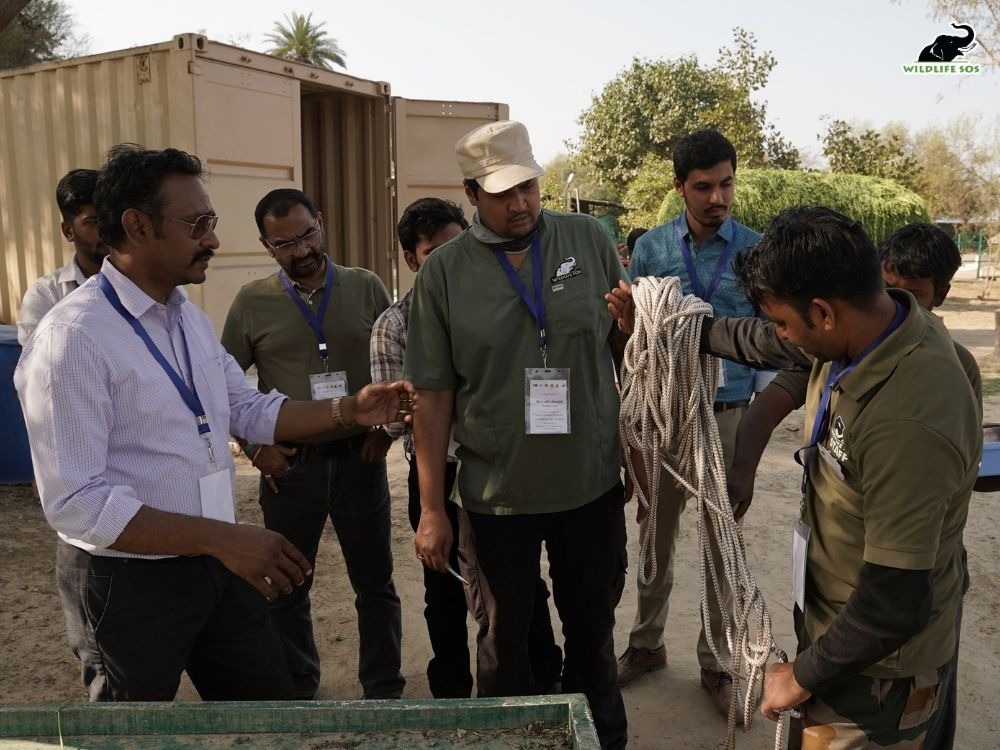
Participants explore the practical design and installation of enrichment tools, translating behavioural theory into functional structures that promote mental stimulation and natural foraging behaviours. [Photo © Wildlife SOS/ Chinmoy Swargiary]
Once built, the enrichments were then installed in the enclosure of Rhea and Mia at ECCC. Both the elephants needed no nudge to explore them, they rushed towards the newly installed structures with peak interest and curiosity, ultimately discovering and relishing the treats hidden inside. Watching these elephants enjoying the enrichment that the participants created became a fitting end to the day.
Day 4 – February 27, 2026
Day 4 at the Elephant Healthcare Workshop was dedicated to one of the most important and critical aspects of captive elephant management: foot care and foot health. Participants gained invaluable insights from international experts, emphasising both on theoretical knowledge and practical skills. The morning sessions featured presentations on foot problems, nail issues, basic care, and pain management. The afternoon shifted its focus to hands-on demonstrations, including safe crane usage for downed elephants and field-based foot care labs.
Elephant Foot Health, Disorders and Pain Management
The morning kicked off with a series of engaging talks by Dr. Willem, Dr. Susan, and Dr. Janine. These sessions drew real-world case studies and scientific data to equip veterinarians with knowledge and tools to prevent and treat common foot ailments for elephants.
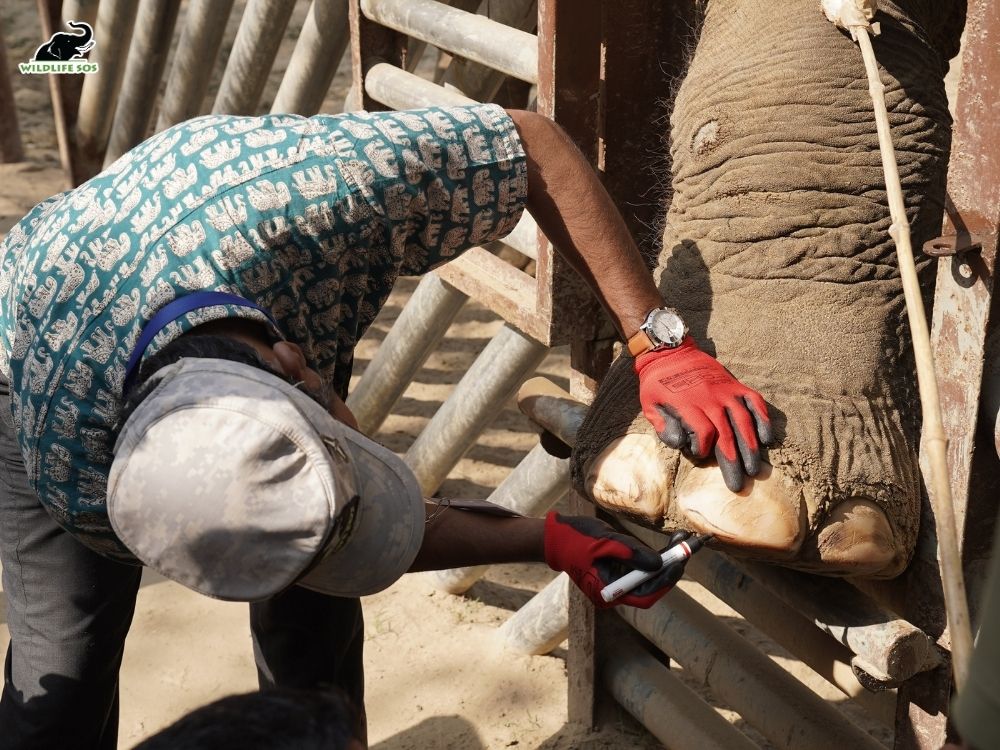
Sessions on elephant foot care emphasised the importance of early detection and treatment, equipping participants with essential knowledge required for maintaining healthy elephants. [Photo © Wildlife SOS/ Chinmoy Swargiary]
Dr. Susan opened with her presentation on “Causes of Foot Problems and Basic Foot Care”. She outlined key causes of foot and joint issues, including trauma, hard substrates like concrete, poor sanitation, stereotypic behaviours, obesity due to lack of exercise, and inadequate routine care. Emphasising on prevention, she highlighted how these factors often create a cascade of problems, from minor lesions to severe arthritis. She stressed the importance of early intervention, noting that many causes overlap with foot problems, such as repetitive abnormal postures on hard concrete surfaces leads to joint strain.
Understanding Pad Problems
Dr. Willem’s session explored the various foot pad pathologies observed in captive elephants. Participants learned how foot pad integrity can be affected by excessive wear, abnormal leg positioning, stereotypical behaviour, weight distribution imbalance, trauma and infections.
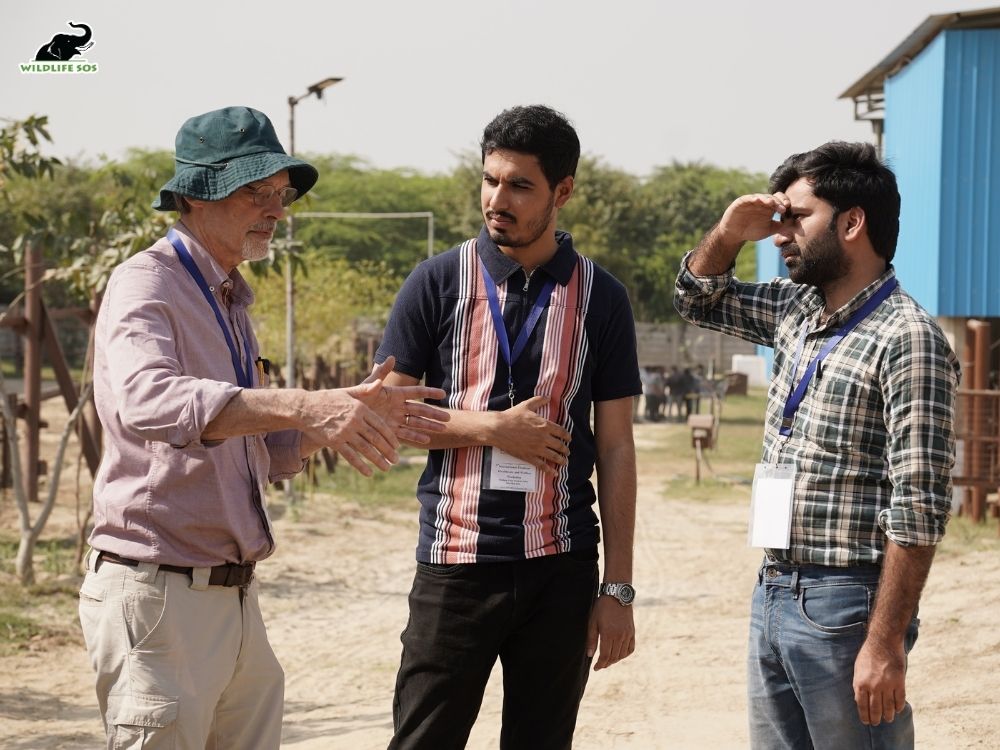
Dr. Willem engaged in interactive discussions with participants during the field visit, exchanging insights on elephant health care and foot pad management. [Photo © Wildlife SOS/ Chinmoy Swargiary]
Common conditions that were discussed in the session included pad thinning, development of the cracks in abscesses, pad detachment, necrosis, and overgrown pads that often combine with nail abnormalities. A key takeaway from the presentation emphasised that elephants do not bear weight on their nails, but on the foot pad. It makes foot pad health fundamental to mobility and long-term well-being.
The concept of well-maintaining a natural pad relief, that is not allowing the sole to become overly smooth or flat, was strongly stressed upon. Participants were also introduced to the importance of respecting the sole-wall junction during trimming and pedicure.
Nail Problems and Medical Pedicure Principles
Dr. Susan’s session expanded into nail disorders and treatment approaches. She discussed:
- Overgrown nails leading to irregular pad wear
- Cracks progressing into abscesses
- Nail wall deformities
- The importance of keeping nails shorter than the pad
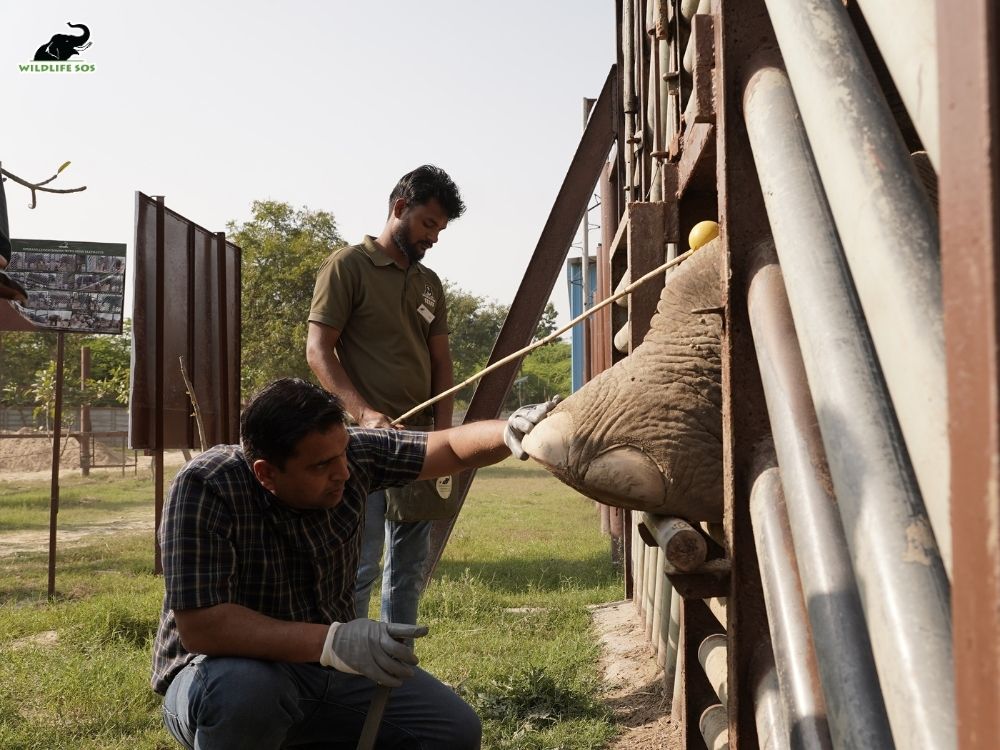
Under expert guidance, participants practised essential foot care techniques that help maintain healthy nail structure and reduce the risk of painful foot disorders in captive elephants. [Photo © Wildlife SOS/ Chinmoy Swargiary]
Participants were then guided through the principles of medical pedicure, a careful and targeted approach to foot care designed to heal and prevent escalation of lesions. It included selectively removing abnormal or necrotic tissue to eliminate sources of infection and pain, while creating smooth transitions between healthy surrounding tissue and affected areas to encourage proper healing. Avoiding unnecessary removal of healthy pad material, preserving the pad’s natural integrity and function is also necessary. Ultimately, maintaining correct nail-to-pad proportions is essential to ensure long-term stability and comfort for the elephant.
Pain Management and the Elephant Pharmacy
Dr Janine’s session focused on pain management protocols and the importance of timely intervention. Participants learned about:
- Recognising early signs of discomfort
- Pharmacological options available in elephant medicine
- Responsible dosing considerations
- Monitoring response to treatment
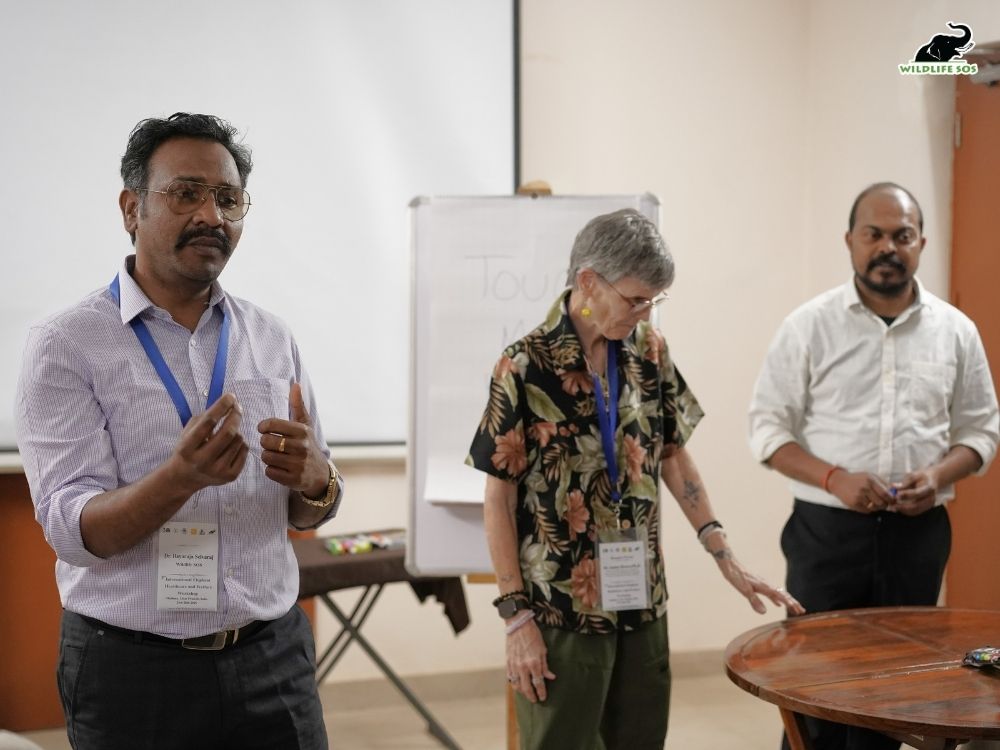
Dr. S. Ilayaraja, Dr. Janine Brown, and Mr. M.V. Baiju Raj led an engaging discussion, sharing their extensive expertise to deepen participants’ understanding of elephant foot issues and pain management. [Photo © Wildlife SOS/ Chinmoy Swargiary]
The emphasis was clear: foot problems are not merely mechanical issues. They are deeply connected to pain, mobility, stress levels, and overall systemic health.
Elephant Crane Demonstration: Safe Lifting of a Down Elephant
Following the theory sessions, Dr. E. Gochalan, assisted by Dr. Lalit and Dr. Pramod, conducted a practical instructional session on the safe use of the elephant crane at the Elephant Hospital Campus. Handling a recumbent elephant requires precision, coordination, and careful assessment of the animal’s condition. Using an elephant soft toy for demonstration, participants were shown:
- Proper positioning of crane belts
- When to use two belts versus four belts
- How to distribute weight safely
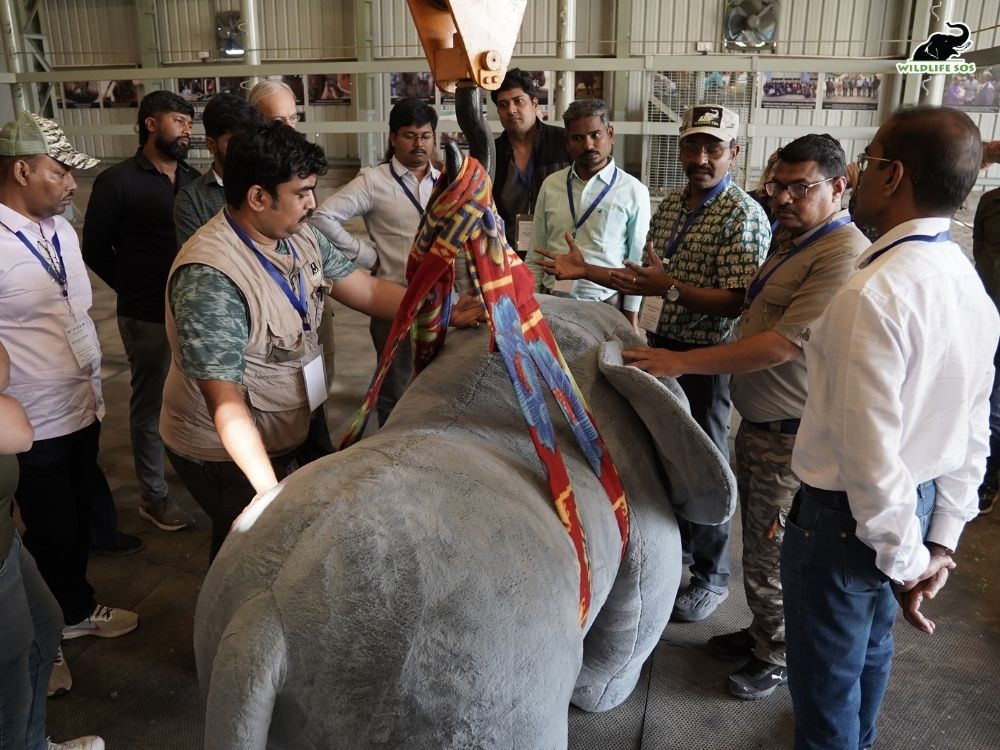
Using a dummy elephant, participants observed the importance of teamwork and precision while learning the correct belt placement technique for crane-assisted lifting of elephants that are unable to stand due to illness or injury. [Photo © Wildlife SOS/ Chinmoy Swargiary]
Typically, one belt is placed under the abdomen, and another belt is secured through the forelimbs in a cross pattern. In the case of four belts, they are placed across each limb in a cross-support system to ensure even weight distribution.
Participants were taught that the lifting strategy depends heavily on the elephant’s physical condition at that moment. Whether the animal is placing more weight on the forelimbs or hindlimbs significantly influences how the belts are positioned and how the crane is operated. Muscle tone, fatigue, and visible signs of distress must all be carefully assessed before initiating any lift. The veterinarians stressed that each lifting procedure must be tailored to the elephant’s posture, strength, and comfort level.
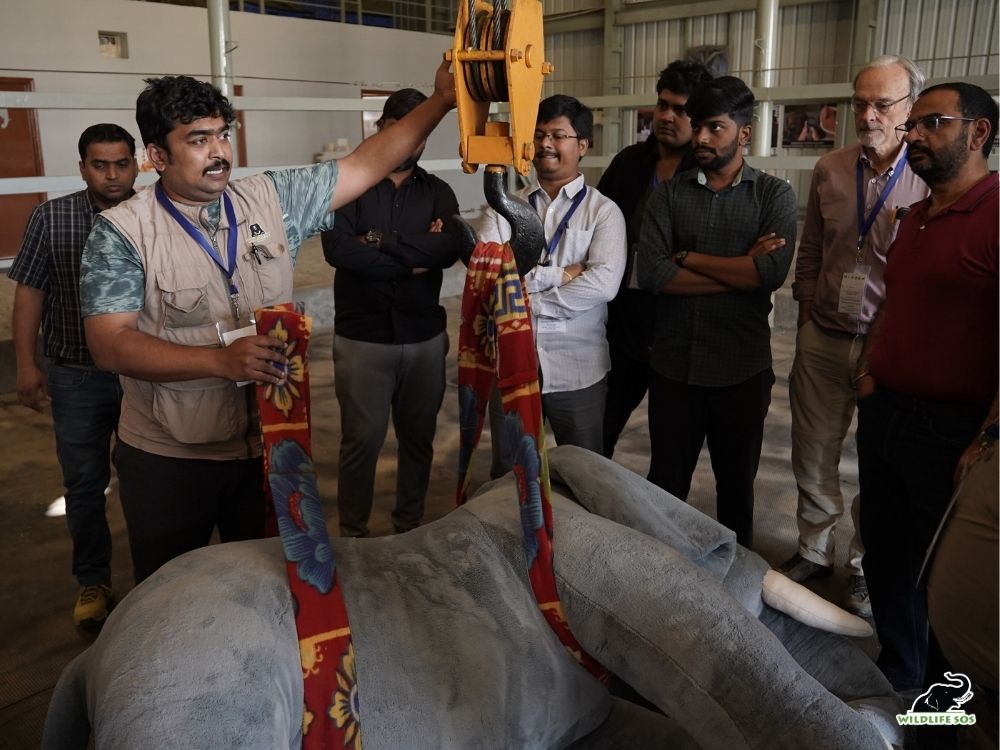
Demonstrating safe lifting protocols, veterinarians explained how carefully positioned support belts help distribute an elephant’s immense weight during assisted lifting procedures, ensuring both safety and stability. [Photo © Wildlife SOS/ Chinmoy Swargiary]
The session also strongly emphasised that lifting must always be gradual and well-coordinated. Continuous monitoring of the elephant’s response is essential throughout the process to ensure that no additional discomfort is caused. Above all, the elephant’s safety, dignity, and pain management must remain the priority during such interventions.
Field Practical: Hands-On Foot Care
In the afternoon, participants moved into the field for a live foot care session with elephants under direct veterinary supervision. The group was divided into three teams, each addressing an individual elephant. Dr. E. Gochalan, assisted by Dr. Susan worked with Coconut. Dr. Lalit and Dr. S. Ilayaraja dealt with Sanjay, while Dr. Pramod, supported by Dr. Willem, conducted the practical with Raju.
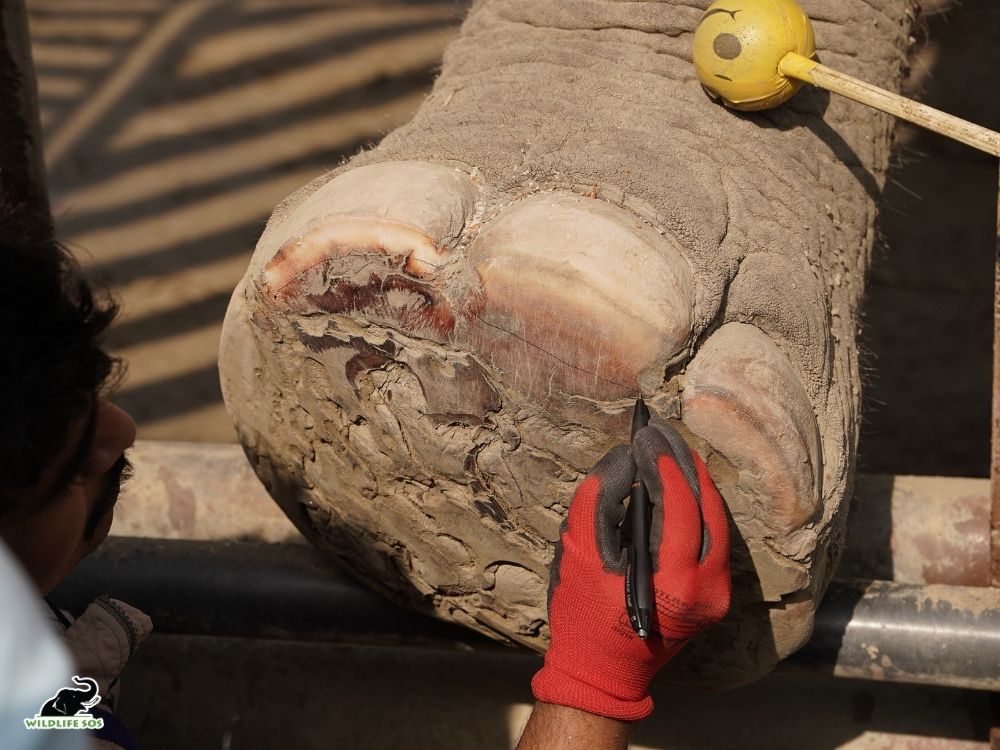
A closer look at the elephant’s foot pad revealed how veterinarians assess key indicators like cracks, pressure points, and nail growth patterns to monitor the overall health and mobility of elephants under care. [Photo © Wildlife SOS/ Chinmoy Swargiary]
The session began with a demonstration of basic foot pad cleaning techniques. Participants observed how to approach the elephant calmly, position themselves safely, and use a hard brush effectively to remove debris and dirt safely from the pad. The veterinarians explained that elephant nails grow approximately 1 cm/month, making regular monitoring essential. They emphasised that nails must remain shorter than the pad and that at least one finger gap should be visible between toenails to ensure proper cleaning and spacing.
The use of tools such as the rasper and carving knife was demonstrated with precision. The rasper was used to shape and file overgrown nails carefully, ensuring that trimming did not compromise healthy tissue. Participants were also instructed on how to maintain smooth transitions between the pad and nail, and why preserving the natural essence of the sole is important.
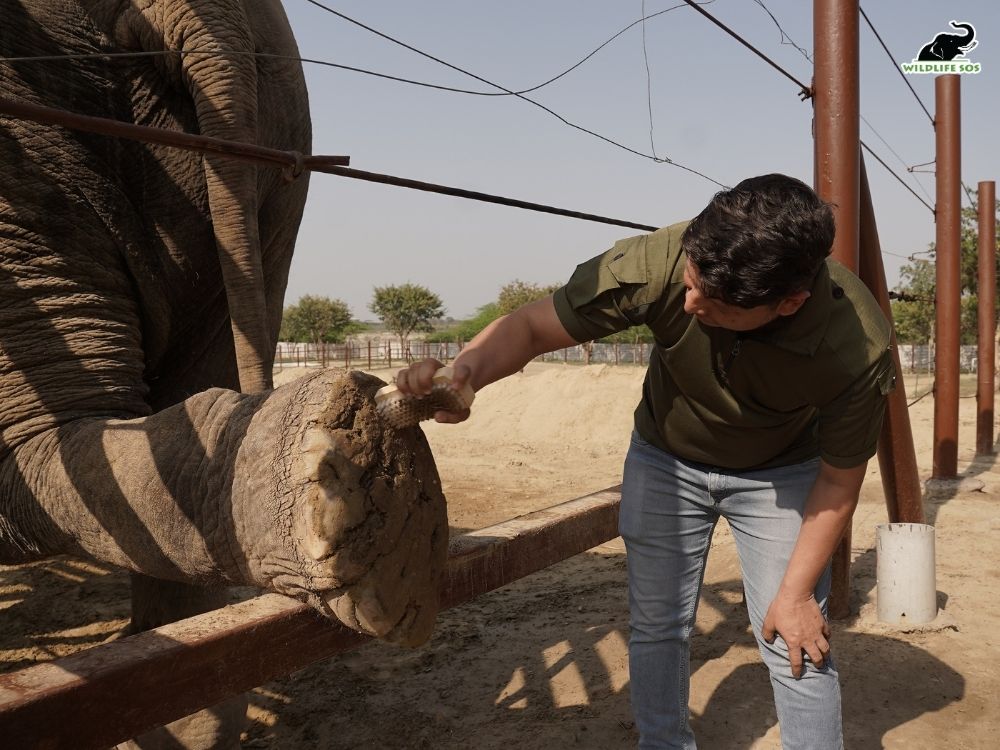
Maintaining foot hygiene is a cornerstone of elephant welfare, and participants learned how routine cleaning and inspection help detect early signs of infection or injury. [Photo © Wildlife SOS/ Chinmoy Swargiary]
To assess the hardness of the nail and foot pad, the veterinarians introduced a measuring device called durometer. Participants observed the readings and learned that the ideal hardness range for the nail lies between 90 and 94, while the foot pad should ideally measure between 60 and 65. It was explained that elephants spending extended periods on concrete surfaces often develop higher hardness levels, whereas softer readings may indicate thinning pads that require attention.
Under expert supervision, participants actively engaged in cleaning and inspecting the elephant’s feet. They practised brushing and rasping techniques performed by the veterinarians. The importance of recognising early signs of cracks and abnormal tissue changes was repeatedly focused throughout the exercise.
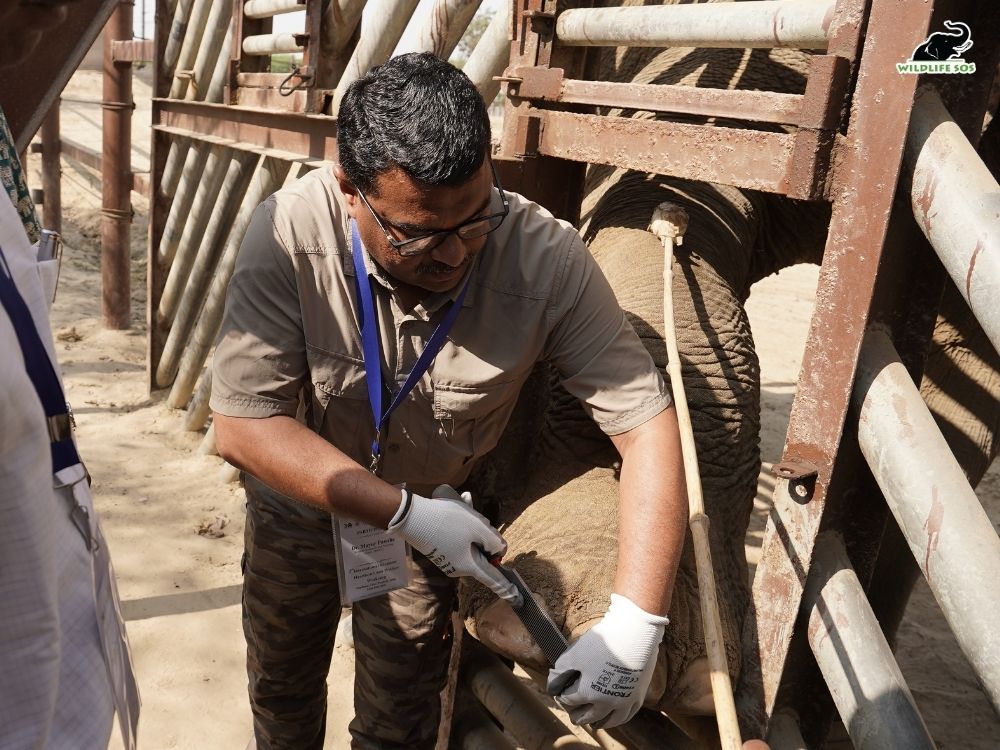
Hands-on training allowed participants to closely examine the structure of an elephant’s foot, reinforcing how regular monitoring and preventive care play a vital role in avoiding long-term foot complications. [Photo © Wildlife SOS/ Chinmoy Swargiary]
By the end of the day, it was evident that foot care is not merely routine maintenance, but it is vital to ensure mobility, comfort, and long-term welfare of the elephants.
Day 5 – February 28, 2026
The final day of the Elephant Healthcare and Welfare Workshop began with a series of insightful theoretical sessions delivered by Dr. Janine, Dr. Susan, and Dr. Willem. These sessions built upon the clinical foundation established throughout the week and addressed complex medical conditions that significantly impact elephant health and welfare.
Advanced Elephant Medicine
Dr. Susan’s session on gastrointestinal emergencies explored colic, constipation, and impaction in elephants. The session progressed into causes, clinical signs, diagnosis, treatment, and preventive strategies. Participants revisited the anatomy of the elephant gastrointestinal tract and discussed how early recognition of abdominal discomfort can be lifesaving in captive settings.
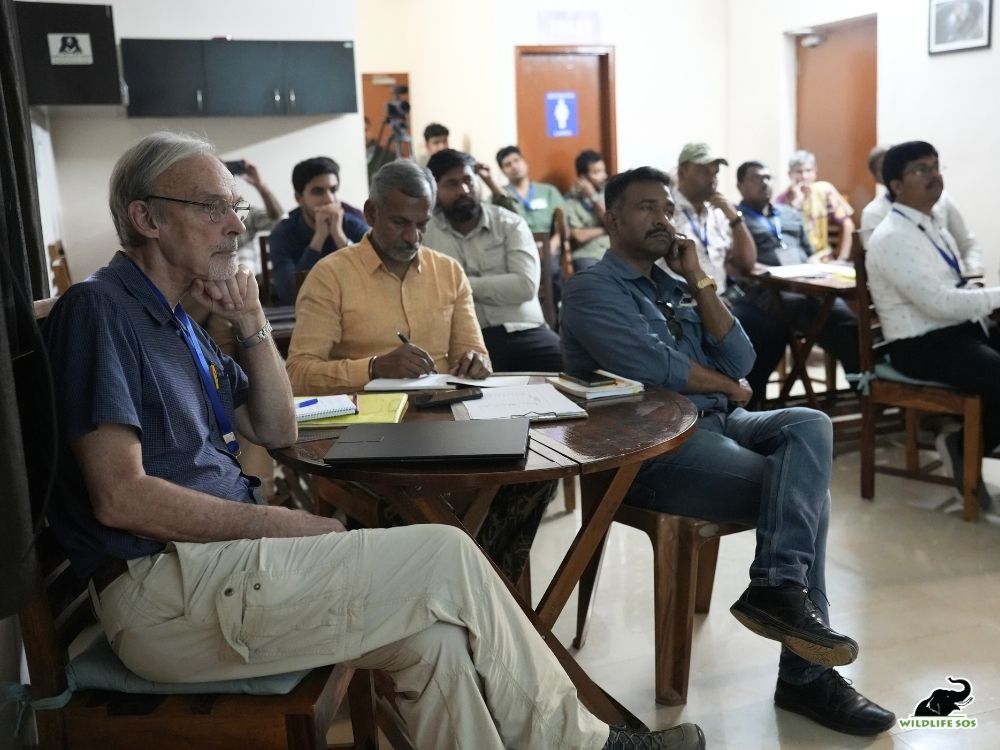
Bringing together veterinarians from multiple states, the classroom sessions concluded by marking a shared commitment to improve elephant healthcare and strengthen veterinary capacity. [Photo © Wildlife SOS/ Chinmoy Swargiary]
Dr. Susan also delivered an in-depth presentation on tuberculosis in elephants, placing the disease within the context of TB in humans and highlighting its transmission, diagnosis, treatment, and the growing concern of drug-resistant strains. The discussion emphasised long-term monitoring and the importance of structured TB management programmes in elephant facilities across the world.
Dr. Willem placed focus on Elephant Endotheliotropic Herpesvirus (EEHV), explaining its virology and clinical consequences like hemorrhagic disease, and ongoing research efforts toward vaccine development. He further addressed tusk disorders, covering tusk anatomy, growth patterns, and the welfare implications of untreated tusk injuries.
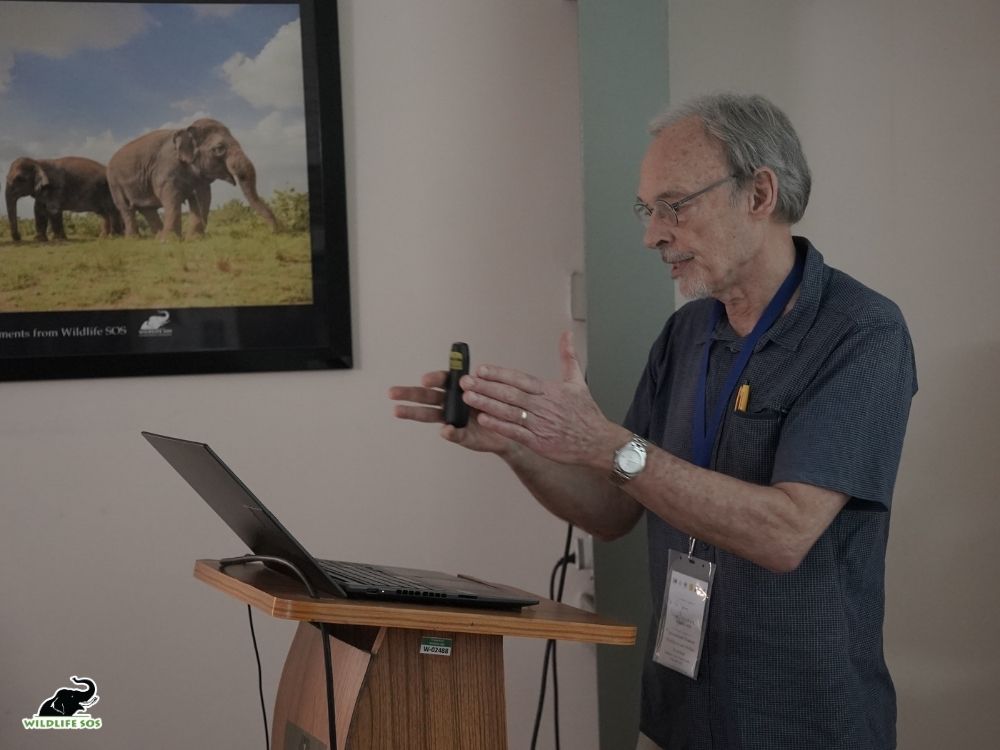
Dr. Willem led one of the final theoretical sessions of the workshop, explaining about the clinical decision-making involved in tusk treatment and management. [Photo © Wildlife SOS/ Chinmoy Swargiary]
Dr. Janine’s session on musth and bull management examined the biological basis of musth, and the challenges associated with managing musth elephants in captivity. The discussion highlighted the importance of appropriate enclosure design, nutrition management, safe restraint practices, and behavioural shaping to ensure both animal and human safety.
Field Visit: Agra Bear Rescue Facility
In the second half of the day, participants, staff, and team members travelled to the Agra Bear Rescue Facility, managed by Wildlife SOS. The visit introduced participants to the rehabilitation and long-term care of rescued sloth bears. Led by Dr. S. Ilayaraja and Mr. M.V. Baiju, the group was guided through the rescue centre and the sloth bear hospital. Participants were introduced to the unique medical and behavioural needs of rescued sloth bears, many of whom were survivors of the former ‘dancing’ bear trade.
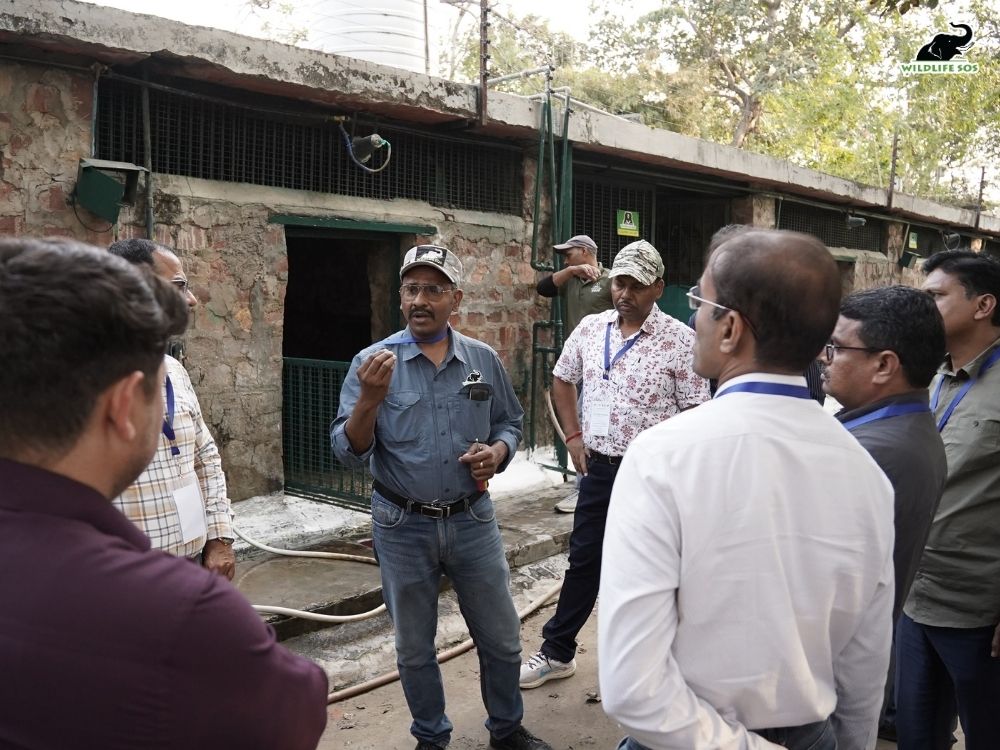
Dr. S. Ilayaraja guided participants through the rehabilitation processes followed for rescued sloth bears, sharing details about the care and long-term management that help these animals recover from a life of exploitation. [Photo © Wildlife SOS/ Chinmoy Swargiary]
The participants were divided into two groups and taken to the night shelters of two resident sloth bears, Gambir and Digit. They observed practical demonstrations of the target training similar to as they witnessed with the elephants. Through positive reinforcement techniques, veterinary procedures such as visual health checks, observations, and cooperative care were demonstrated. The session focused on how behavioural shaping plays an important role in minimising stress and enabling safe medical examination in wildlife species.
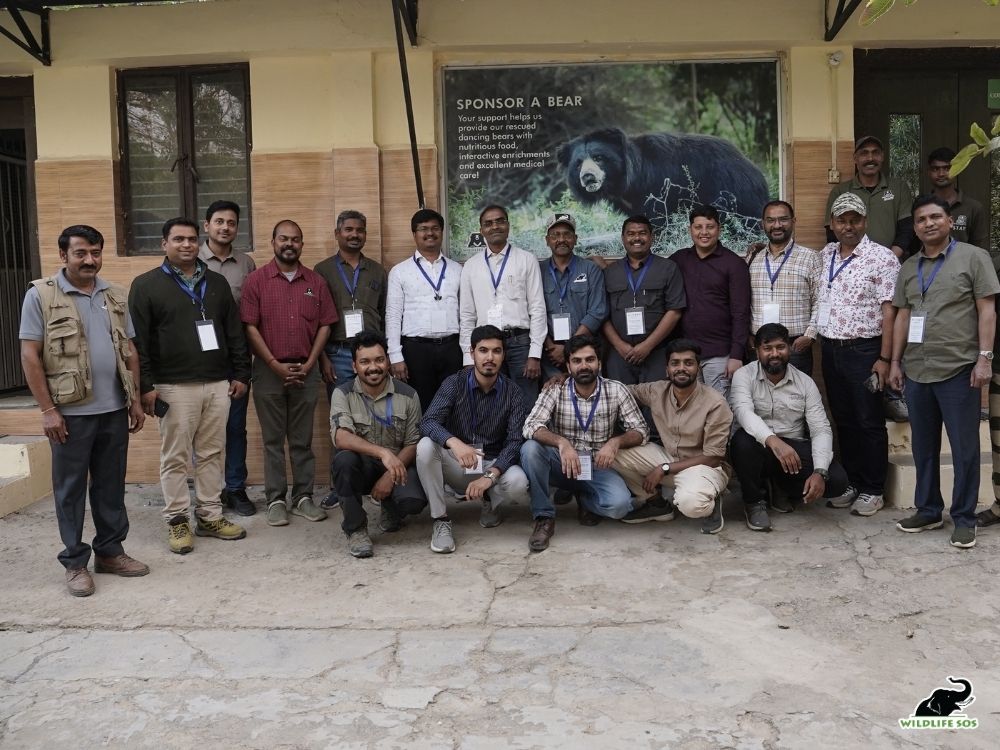
The visit to the Agra Bear Rescue Facility offered participants a glimpse into another dimension of Wildlife SOS’s work towards wildlife conservation. [Photo © Wildlife SOS/ Chinmoy Swargiary]
The visit concluded with a presentation of Wildlife SOS videos documenting the rescue, rehabilitation, and lifelong care of sloth bears. Participants were educated about the historical ‘dancing’ bear trade in India and the sustained efforts by the Wildlife SOS team to eliminate the practice through rescue operations and community awareness programmes. The session was a stark reminder that veterinary care and welfare science are vital for ethical rescue, rehabilitation, and conservation.
The workshop concluded with a formal closing ceremony where participants were presented with certificates and mementos in recognition of their active participation in the five-day training programme. The ceremony was graced by Chief Guest Shri N.S. Manoharan, Additional Director (retd) Veterinary Services, Tamil Nadu, and a renowned expert in elephant health, management, and wildlife conservation, whose presence marked a fitting end to the workshop. The event concluded with a brief address by Mr M.V. Baiju, who expressed heartfelt gratitude to the resource persons, participants, and the organising team for their collective efforts in making the workshop a meaningful platform for advancing elephant healthcare and welfare.
Workshops such as these strengthen the collective commitment to improving standards of care for elephants across the country. To support the welfare of rescued elephants under our care, consider making a donation. In case you spot an elephant in distress, Wildlife SOS operates an elephant helpline that you can reach out to: +91-9971699727
Feature Image: Vineet Singh/ Wildlife SOS