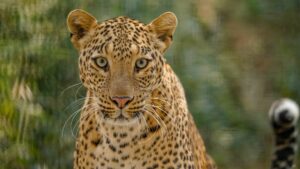
In today’s digital world, the line between truth and illusion is blurring faster than ever. In recent months, there has been a notable surge of videos circulating online that show leopards attacking people, wild cats wandering through crowded streets, and other scenes of chaos involving wildlife. Many of these clips appear real at first glance, but a closer look often reveals that several of them have been artificially created using AI-generated imagery and deepfake technology.
The misuse of AI or artificial intelligence in this way is far from harmless. These fabricated videos can spread panic, incite hostility toward wild animals, and waste valuable time and resources as authorities rush to respond to fake emergencies. For organisations like ours that work closely with both people and wildlife, such misinformation is not just misleading; it is dangerous, shaping public perception, turning animals into villains and creating unnecessary fear among communities who already live near forested regions.
We know firsthand how fragile coexistence can be. Across India, countless families share their surroundings with leopards, elephants, snakes, and other wildlife. Each day, they navigate the fine line between safety and compassion. But when manipulated videos portraying animal aggression go viral, they reinforce the idea that wildlife is something to be feared, not respected. Fear quickly turns into resentment, and that makes it challenging for conservation organisations like Wildlife SOS to build trust and understanding between people and the natural world.
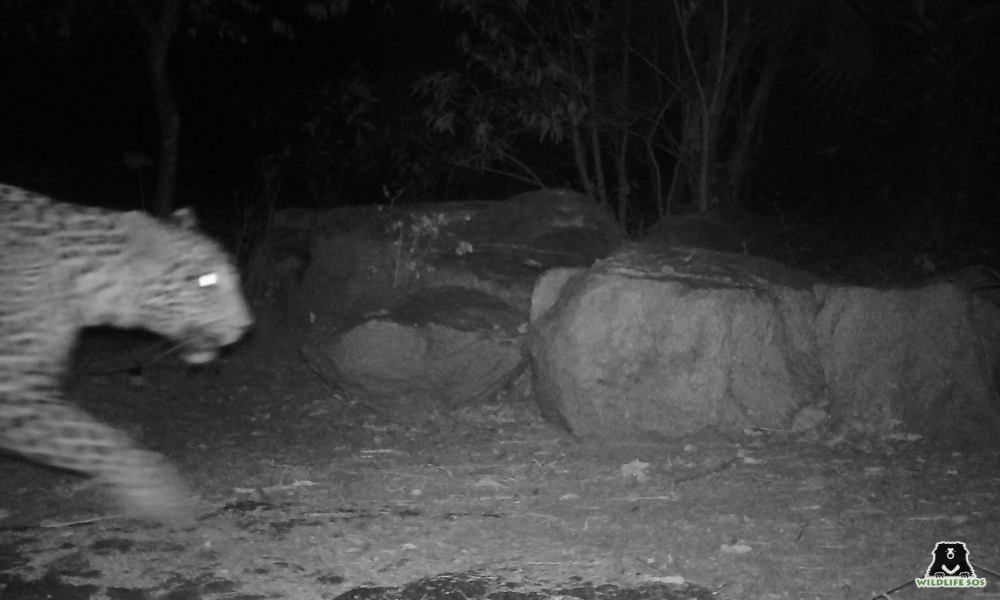
Yet, technology itself isn’t the enemy. The same innovation that spreads fear can also inspire protection. Across India and beyond, AI-enabled camera traps are helping rangers monitor animal movements, detect poaching activity, and respond to emergencies faster than ever before. In regions where these smart systems are installed, authorities report quicker reaction times and higher success rates in preventing illegal activities. For example, In Madhya Pradesh, for instance, AI-powered camera traps installed in the vital wildlife corridor between the Pench and Kanha tiger reserves have helped as many as 700 villages better anticipate tiger movement and prevent the risk of human–wildlife conflict. The success of this model has been so promising that similar AI-enabled systems are now being introduced in West Bengal, strengthening early-warning capabilities for communities living close to forests.
Researchers in Amazon rainforests of Peru are also applying sound monitoring techniques in devices to detect the sounds of chainsaws or trucks in forests, allowing authorities to know the location of tree felling so that habitat destruction can be prevented. AI can even predict patterns of animal movement based on years of data, helping prevent human-wildlife conflict before it occurs. These are examples of how innovation, when used with integrity, can protect the lives of both humans and animals. The key difference lies in intention. Where misinformation divides, responsible technology connects.
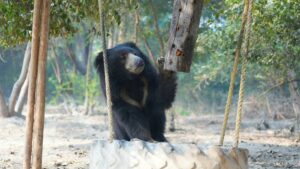
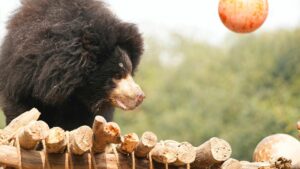
In India, Wildlife SOS has consistently embraced innovation to strengthen on-ground conservation, transitioning from older VHF systems to advanced GPS radio-collaring to better understand animal movement and reduce conflict. In Karnataka, sloth bears, including Bindhu among roughly ten individuals have been fitted with GPS collars to study habitat use, foraging behaviour and movement patterns with far greater accuracy than ever before. Further north, the first-ever Himalayan brown bear radio-collaring initiative in Jammu & Kashmir is helping researchers understand denning behaviour, hibernation cycles and interactions of brown bears with human-dominated landscapes.
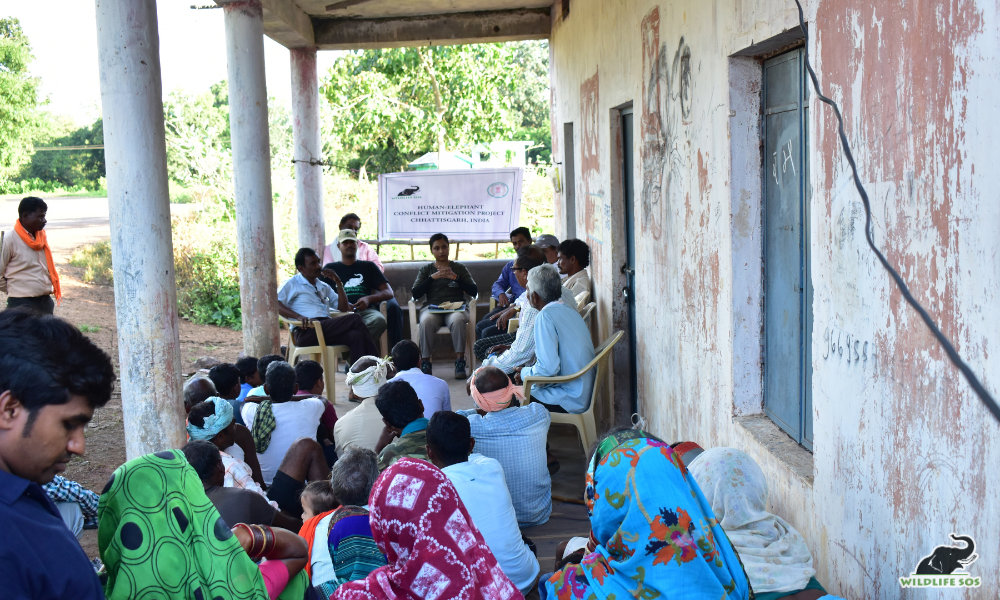
At Wildlife SOS, we believe that conservation begins with awareness. This is why, beyond our rescue and rehabilitation operations, we engage deeply in education and community engagement. Through our awareness workshops and outreach programmes, we work with local communities, schools, and urban residents to help them understand the wildlife that lives around them. Our awareness sessions are not just for civilians, it is for forest officials as well.
Our teams conduct sessions on topics like snake safety, how to respond to an elephant or leopard sighting, and why certain animals wander into human settlements during seasonal changes. These programmes aim to replace fear with knowledge and misunderstanding with coexistence.
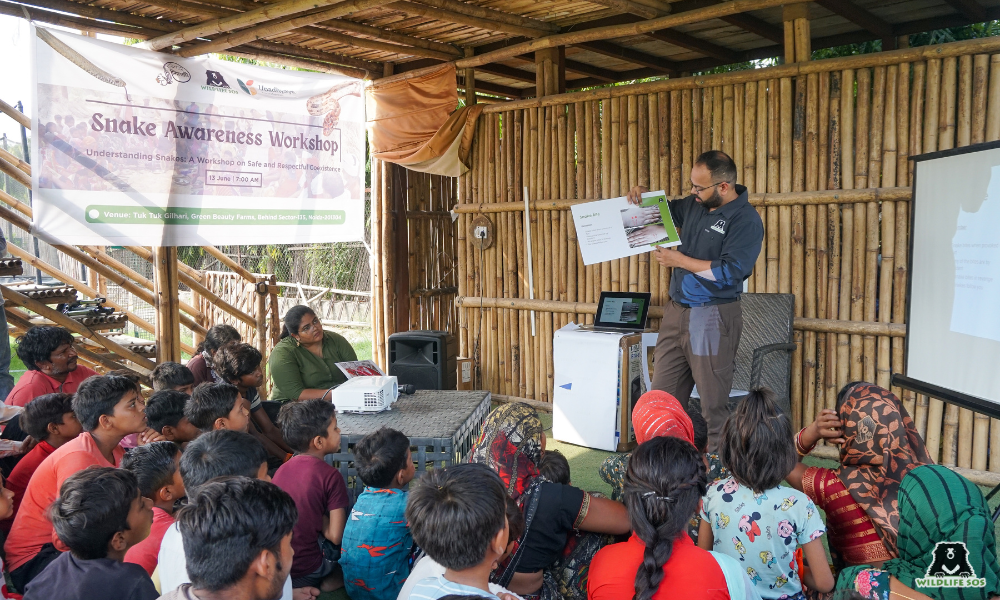
When communities understand the behaviour of wildlife, they are more likely to respond calmly and compassionately during encounters. This shared understanding becomes the foundation of peaceful coexistence. It is also our most powerful tool against misinformation. When people know the truth, AI-generated fear tactics lose their impact.
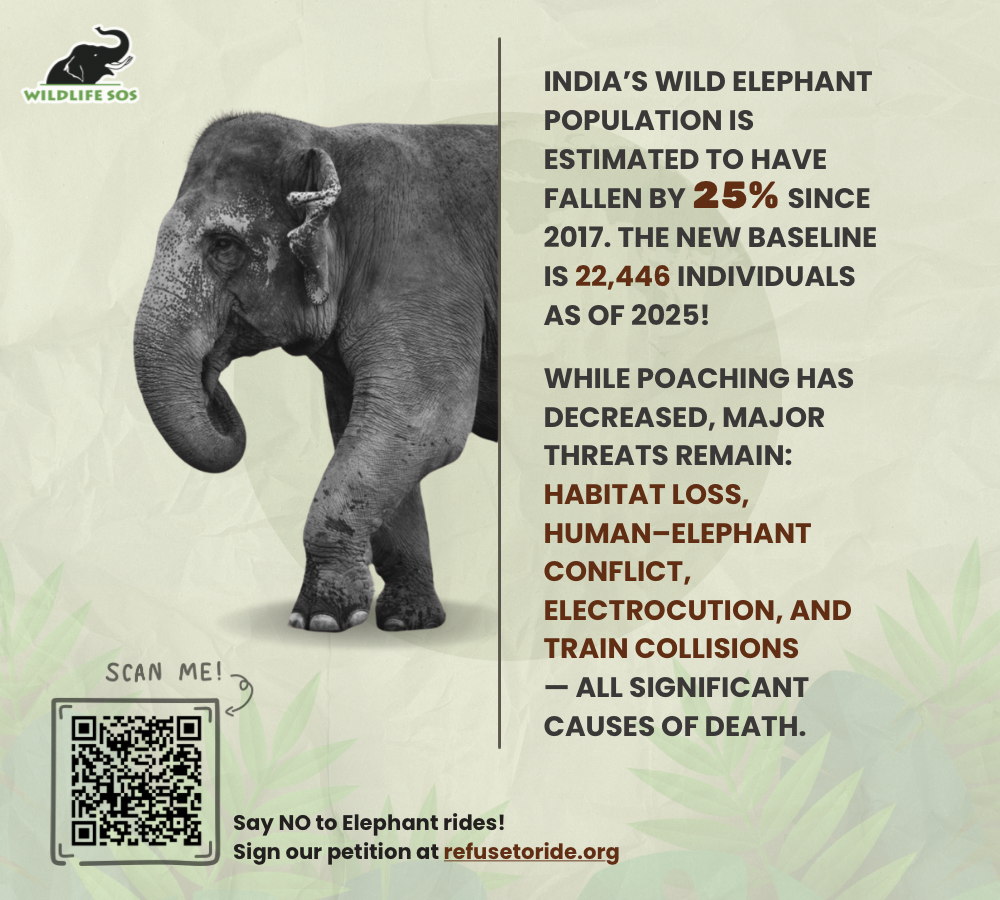
Another pressing issue where technology and compassion must work hand in hand is the growing number of elephant deaths caused by speeding trains in India. Every year, several elephants lose their lives while crossing railway tracks that intersect their migratory routes. These accidents are devastating, not only for the elephants but also for the communities and forest staff who witness the aftermath.
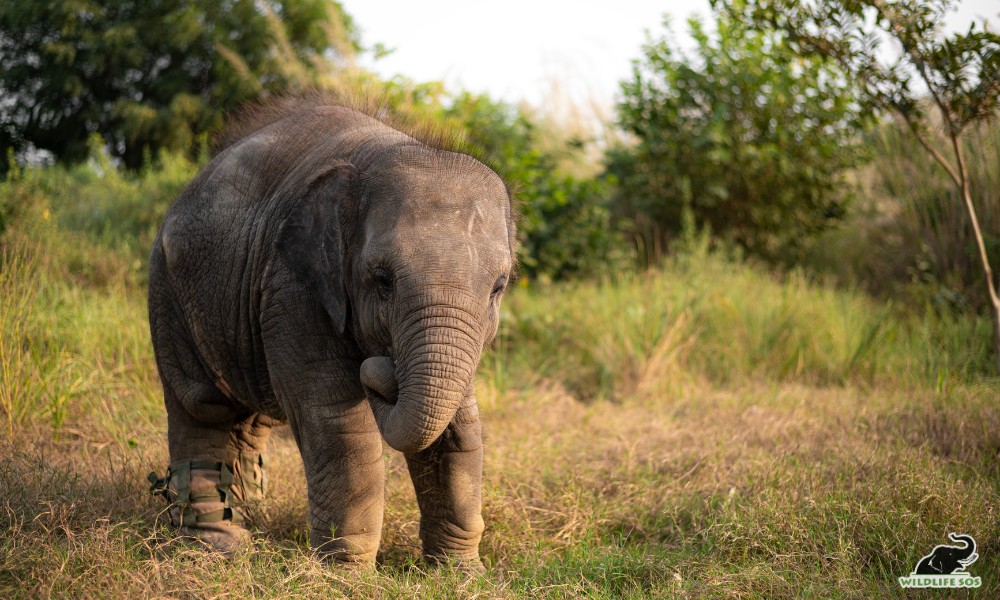
One such story is that of Bani, a nine-month-old elephant calf who was struck by a speeding train with her herd in Uttarakhand. Bani was left severely injured, paralysed in her hindlimbs, and abandoned by the panicked herd. We at Wildlife SOS have been providing long-term care for Bani at our Elephant Hospital Campus (EHC), where she continues to receive advanced medical care such as acupuncture, physiotherapy, hydrotherapy, and round-the-clock attention. Her story serves as a heartbreaking reminder of how vulnerable India’s elephants are when forced to navigate the hazards of human development.
Bani’s story has also strengthened our resolve to prevent such tragedies. We have been actively campaigning through our petition to protect elephants from being killed by speeding trains, urging authorities to implement measures such as reducing train speeds in vulnerable stretches, installing early warning systems, and creating safe passage corridors that allow elephants to move freely and safely. This is an issue where technology can offer life-saving solutions. AI-based monitoring systems and thermal imaging sensors can detect elephant herds near railway lines and alert train operators in real time. When used responsibly, such innovations can help ensure that no more lives are lost to avoidable accidents. No other calf should have to endure what Bani has.
The irony is clear: the same technology that can create fake videos of animal attacks can also be harnessed to prevent real tragedies. It is not AI itself that is the problem, but how we choose to use it. When misused, it fuels fear and misinformation. When used with care and purpose, it becomes a tool for conservation, safety, and coexistence.
We stand at a crossroads where every choice we make about technology must shape the future of our planet’s wildlife. It is up to all of us, scientists, policymakers, media platforms, and citizens, to ensure that innovation serves life, not fear. We need stronger regulations on AI-generated content, greater accountability from social media platforms, and wider public awareness of how to verify information before sharing it.
At Wildlife SOS, our mission has always been to protect India’s wildlife and promote coexistence. But we cannot do it alone. We need people across the country to join us in creating a safer, more compassionate world for animals.
If you believe that technology should be used to protect life, not endanger it, we invite you to take action. Sign our petition to save elephants from being killed by speeding trains. Every signature strengthens our call for responsible innovation, safer railway corridors, and a more humane approach to development. Together, we can ensure that technology becomes a force for good, one that helps us protect, not destroy, the incredible wildlife that we share our homes with.
Feature Image: Mradul Pathak / Wildlife SOS