The leopard (Panthera pardus) is the most widespread of all wild cats, ranging across Africa, the Middle East, and Asia. Few large carnivores display such extraordinary adaptability. Leopards thrive in habitats as varied as dense rainforests, open savannahs, rugged mountains, and even arid deserts. Remarkably, they are also able to persist on the fringes of modern cities — an achievement that other big cats, such as tigers and lions, cannot claim.
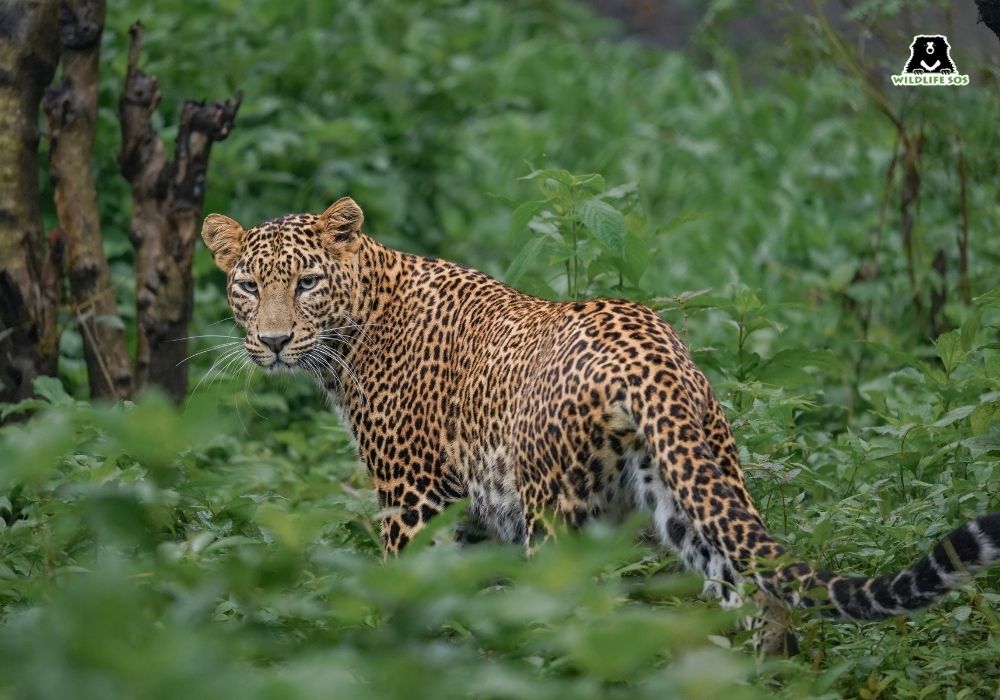
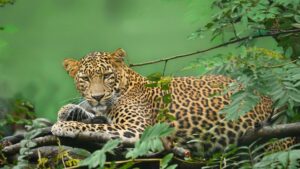
Leopards’ cryptic nature enables them to thrive undetected, cautiously observing their surroundings near dense foliage. [Photo © Wildlife SOS/ Akash Dolas]
This adaptability stems, in part, from their remarkably broad diet — the widest of any obligate carnivore. Leopards are also renowned for their cryptic and secretive nature, allowing them to live undetected even in landscapes heavily influenced by humans. While this elusiveness has aided their survival, leopard populations are still declining across much of their range. Their ability to live near people often brings them into conflict with human communities, creating one of the most pressing conservation challenges they face today.
Leopards in India
The Indian leopard (P. p. fusca) is widely distributed across the Indian subcontinent and represents the largest leopard population outside Africa. Genetic research indicates four distinct subpopulations in India:
- Western Ghats
- Deccan Plateau (semi-arid region)
- Shivalik Hills
- Terai region
All four subpopulations are experiencing declines. The most recent national estimate, covering approximately 70% of leopard-occupied habitat in India, placed the population at 13,874 individuals.
Wildlife SOS works to protect leopards in several regions of the country, including Maharashtra in central India, Karnataka in southern India, and Jammu & Kashmir in northern India. Across these diverse landscapes, leopards continue to demonstrate remarkable resilience and flexibility.
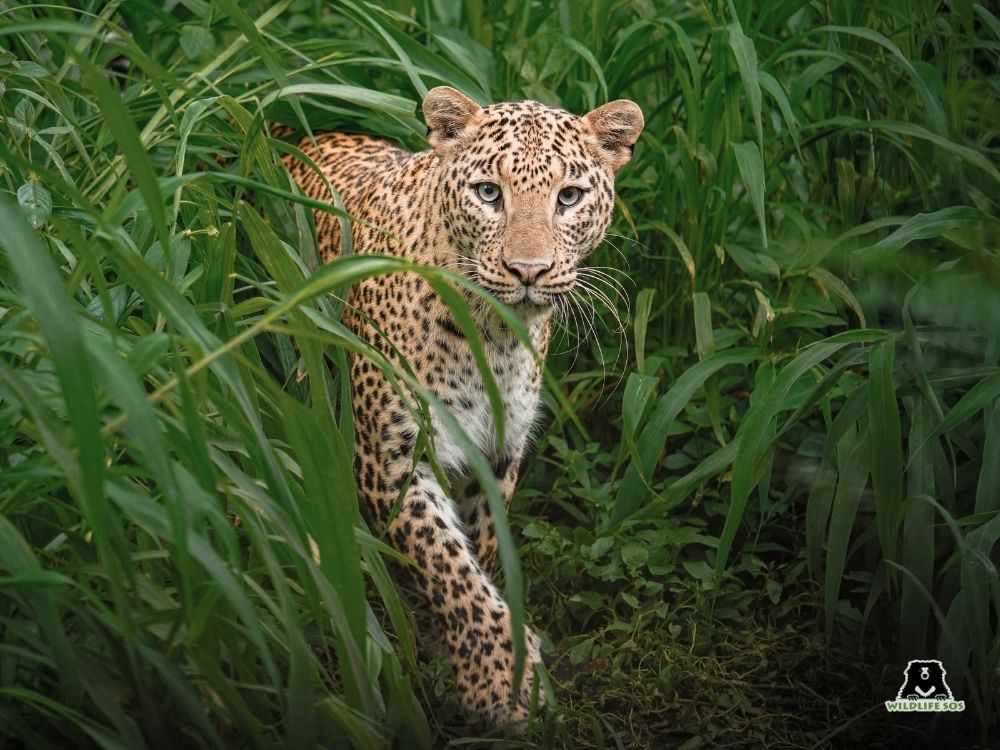
Leopard sightings in agricultural fringes and urban edges are common, where rapid-response rescues by Wildlife SOS are crucial to fostering human-leopard coexistence. [Photo © Wildlife SOS/ Akash Dolas]
In Karnataka’s Deccan Plateau, where natural caves are abundant, leopards use these rocky shelters to give birth and raise their cubs. In contrast, near the Wildlife SOS Manikdoh Leopard Rescue Centre in Maharashtra, leopards frequently choose sugarcane fields as denning sites. While these fields provide dense cover, they can become dangerous during harvest season, increasing the risk of human-leopard encounters. Nevertheless, this behaviour illustrates the leopard’s extraordinary ability to adapt to human-modified landscapes.
Living near cities presents additional challenges. Leopards in these areas often become almost exclusively nocturnal to avoid human activity. With natural prey sometimes limited, they may prey on stray dogs or livestock, taking advantage of whatever food sources are available. Above all, the leopard survives by being opportunistic — adjusting its behavior to match its surroundings.
The Leopard’s Ecological Role
Throughout much of their range, leopards coexist with larger predators such as tigers and lions. Rather than dominating as apex predators, leopards have evolved to occupy a more flexible ecological niche. In areas where tiger densities are high, leopard numbers are often lower, as they shift toward habitats where competition is reduced.
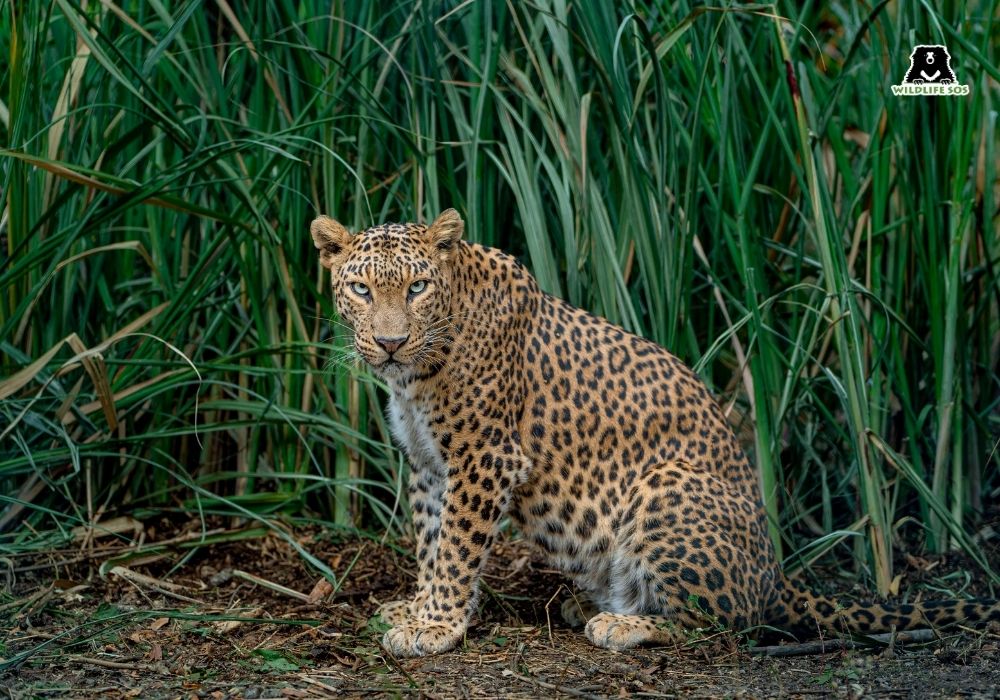
As skilled climbers, leopards frequently haul prey into trees to safeguard it from scavengers, a behavior that aids their survival in competitive environments such as those shared with tigers across the Indian subcontinent. [Photo © Wildlife SOS/ Akash Dolas]
They are exceptional climbers and frequently rest in trees, even hauling heavy prey into branches to protect their meals from scavengers. Often described as the strongest big cat pound-for-pound, this strength enables them to lift prey equal to or greater than their own body weight.
The Sri Lankan Leopard: An Island Apex Predator
Some of the largest leopards in the world are found just south of India on the island of Sri Lanka. The Sri Lankan leopard (Panthera pardus kotiya) is the island’s apex predator. Leopards crossed a temporary land bridge from southern India during the Pleistocene. While tigers and lions also reached the island, they eventually disappeared, likely more than 10,000 years ago.
In the absence of competing large carnivores, Sri Lankan leopards appear to have grown larger over time, adapting to hunt bigger prey and fully occupy the ecological role of top predator.
To truly protect leopards, conservation must extend beyond protected forests. These cats increasingly share space with people — in agricultural fields, near villages, and on the edges of expanding cities. Ensuring their survival requires science-based conservation, community awareness, conflict mitigation, and rapid-response rescue efforts when human-leopard encounters occur.
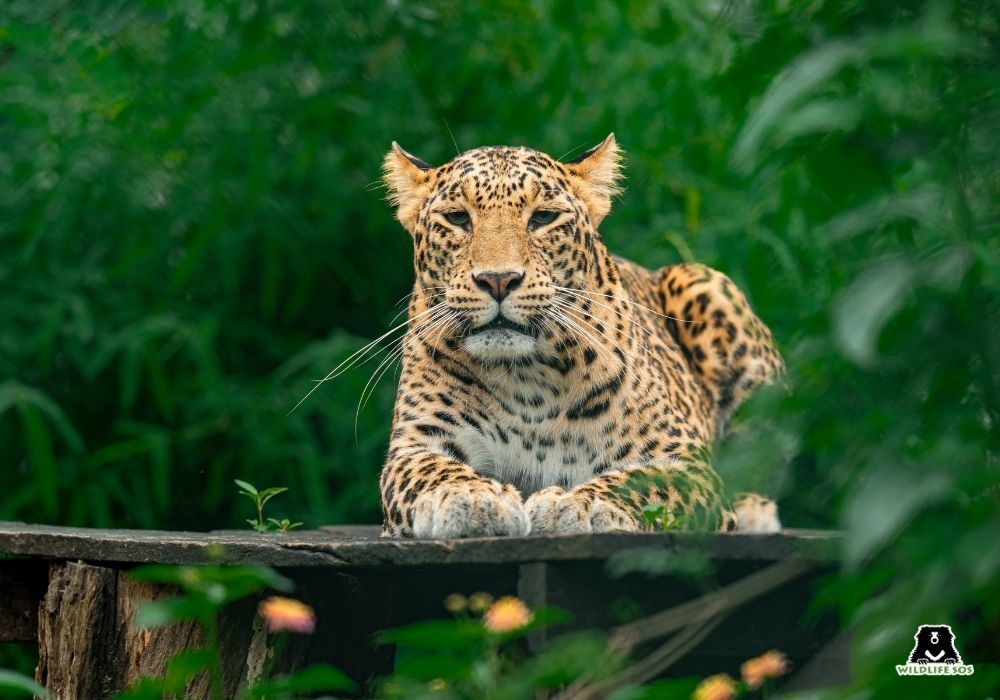
At Wildlife SOS, we rescue injured or conflict-trapped leopards, providing them with long-term care. [Photo © Wildlife SOS/ Akash Dolas]
At Wildlife SOS, our work focuses not only on rescuing and rehabilitating leopards in distress, but also on building coexistence strategies that protect both wildlife and communities. The leopard’s story is one of resilience and adaptability — but resilience alone is not enough. With informed conservation action and public support, we can ensure that this remarkable big cat continues to thrive across its historic range for generations to come
Feature image: Akash Dolas / Wildlife SOS