India’s rapidly expanding urban landscape has created an unprecedented challenge – the increasing encroachment of snakes into human settlements. As cities sprawl outward, consuming natural habitats at an alarming rate, snakes are forced to venture into urban spaces in search of shelter, food, and suitable breeding grounds. Delhi alone has witnessed a significant surge in snake encounters during monsoon seasons, with Wildlife SOS receiving hundreds of calls from areas ranging from government bungalows to residential colonies.
This habitat loss is not merely a numbers game, it represents a fundamental disruption of ecological balance. Construction activities destroy underground burrows, eliminate natural shelters, and fragment the delicate ecosystems that snakes depend on for survival. The result is inevitable: more frequent and potentially dangerous encounters between humans and these often misunderstood reptiles.
The Human Cost: A Crisis of Staggering Proportions
Statistics paint a sobering picture of human-snake conflict in India. India bears the highest burden of snakebite deaths globally, with an estimated 58,000 people dying from venomous snakebites annually. In other words, India is home to approximately half of all snakebite deaths worldwide. A 2020 study mentions that more than 1.2 million people died from snake bites in India over the past two decades, with nearly half of the victims being between 30 and 69 years old, and a quarter being children.
The average risk of an Indian dying from snakebite before reaching 70 years was estimated to be approximately 1 in 250, based on data collected between 2001 and 2014, but in some high-risk areas, this risk approached to 1 in 100. Encounters with snakes peak during monsoon seasons when snakes become more active for breeding and when increased prey abundance draws them closer to human habitations.
The consequences of these encounters extend beyond fatalities. Human-snake conflicts often trigger retaliatory killing of snakes, regardless of their species or conservation status. This knee-jerk response not only eliminates the beneficial pest controllers, but can also target protected species, further threatening already vulnerable populations.
The Solution: Ethical Rescue and Relocation
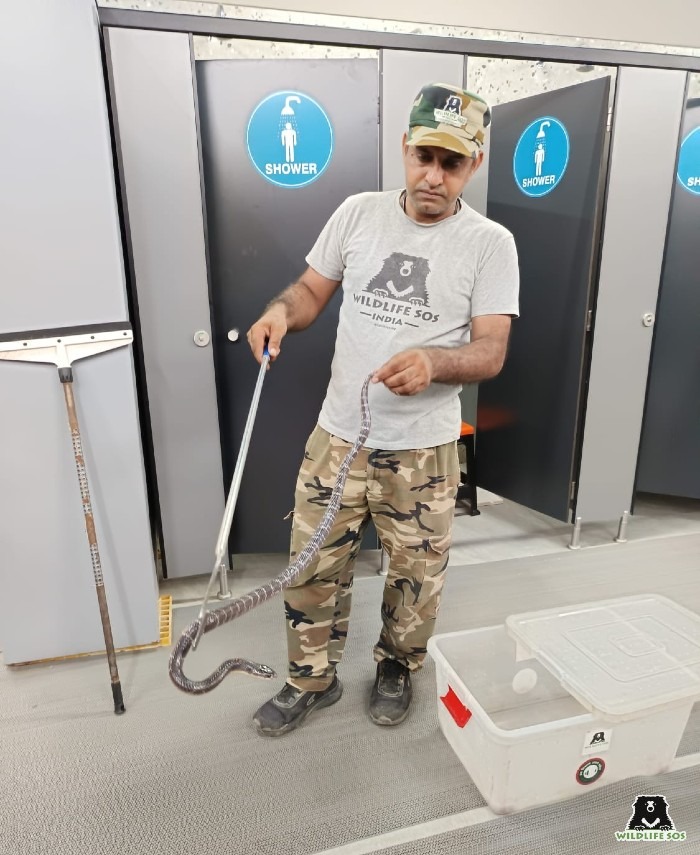
When snakes venture into human spaces, rescue and relocation back to natural habitats represents the most humane and ecologically sound solution. However, this seemingly straightforward concept masks a complex challenge: not all rescue operations are created equal, and improper practices can cause more harm than good. Wildlife SOS research shows that snakes like Levantine Vipers need specific habitats to thrive, and relocating snakes rescued from vehicles moving across the rapidly changing landscapes of Jammu & Kashmir poses additional challenges.
Ethical snake rescue serves multiple critical purposes: it protects human lives by removing potentially dangerous snakes from populated areas, preserves snake populations by preventing unnecessary killing, and maintains ecological balance by returning these natural rodent population controllers to their rightful habitats. Perhaps most importantly, it provides an opportunity to educate communities about coexistence with wildlife.
Who Should Handle Snake Rescues: The Expert Imperative
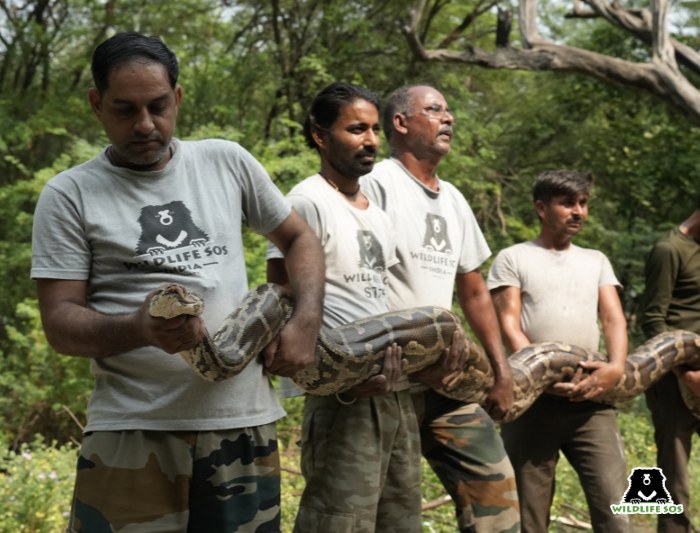
Snake rescue should never be attempted by untrained individuals. The romanticised image of fearless snake handlers has created a dangerous trend where unqualified people attempt rescues, often with tragic consequences. Recent studies reveal that many self-proclaimed rescuers lack formal training and proper safety equipment, leading to injuries and fatalities.
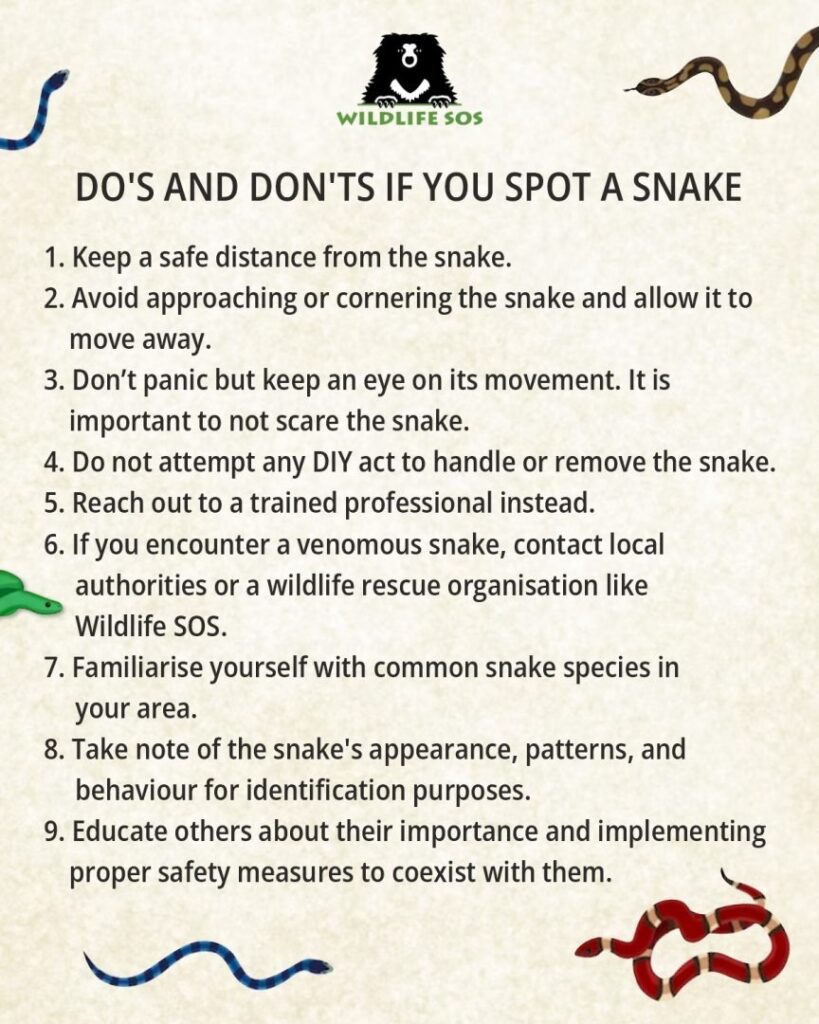
Only certified snake handlers should conduct rescue operations. Karnataka and Kerala are among the Indian states that have established certification programmes and operational manuals for snake rescuers. These programmes emphasise that rescue should be limited to situations where the snake’s presence poses a genuine threat to human safety, particularly venomous species in high-risk locations.
Both Kerala and Karnataka Forest Department’s manual specifically state that “rescue of non-venomous snakes shall be avoided to the maximum possible extent and may be mainly limited to venomous snakes”. This approach recognises that many snake species, unlike what is highly projected, pose no threat to humans and can often be left alone to naturally disperse.
What Constitutes Ethical Snake Rescue
The Scientific Approach
Ethical snake rescue follows established protocols based on scientific research and best practices. Key principles shared in manuals released by forest departments of certain states can be adopted by expert rescuers in places that are prone to human-snake conflicts:
- Proper Equipment and Safety: Certified rescuers must use appropriate tools including snake hooks, secure containers, protective gear, and first aid kits. The use of tongs for capture should be discouraged and eventually eliminated in favour of less traumatic methods.
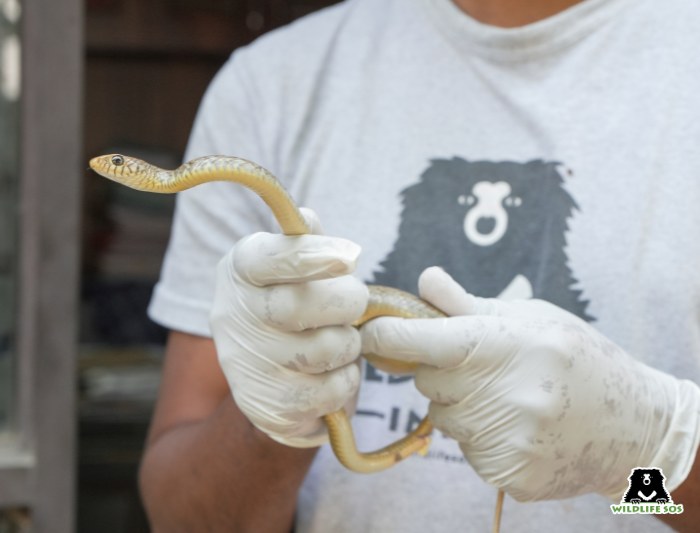
- Minimal Handling: Professional rescue techniques prioritise minimal trauma to the snake. This includes using dark towels, pipe or tubing methods for injured or gravid snakes, and limiting handling to two instances – capture and release.
- Species-Appropriate Response: Not every snake encounter requires intervention. Ethical rescuers assess whether the snake poses a genuine threat before acting. Many non-venomous species that wander into human areas can be safely left alone to find their way back to natural habitats.
- Immediate Documentation: Proper record-keeping is essential, including photographs of the snake, rescue location, and release site for monitoring and research purposes.
Proper Release Protocols
The location and timing of snake release are critical factors in rescue success. Research indicates that snakes should be released as close to their capture site as possible, preferably within 24 hours of rescue. Studies on snake translocation reveal that moving snakes more than short distances can lead to disorientation, inability to adapt to new habitats, and increased mortality. In regions like Jammu & Kashmir, where the Levantine viper is frequently rescued, these risks are especially pronounced, leading the Wildlife SOS team to conduct in-depth research to understand their appropriate ecological habitat.
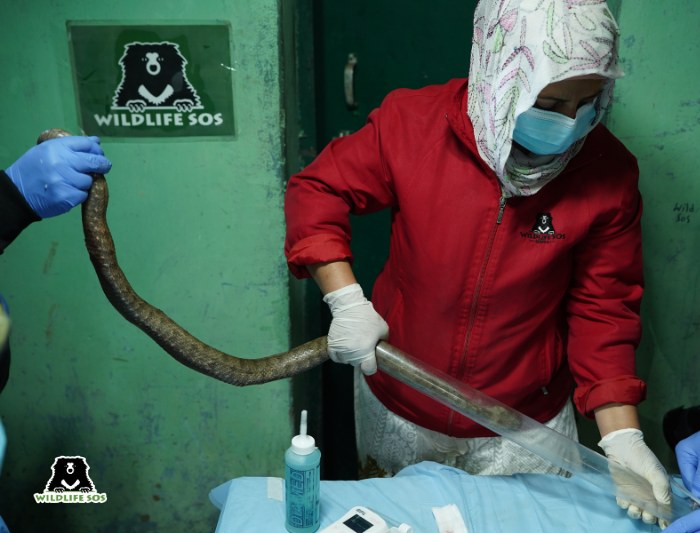
For non-venomous species, release should occur as close to the rescue site as possible, away from immediate human habitation. Venomous snakes require release in appropriate habitats with adequate food sources, shelter, and minimal human presence, but still within their natural range.
Professional release sites should be evaluated for ecological suitability, including availability of prey species, appropriate shelter, water sources, and carrying capacity. The practice of releasing large numbers of rescued snakes at a single location should be replaced with species-specific, habitat-based release protocols.
The Dark Side: Unethical Rescue Practices
Unfortunately, the rise of social media has created a troubling trend in snake rescue – the pursuit of fame over welfare. Many unethical practices have emerged, driven by the desire for online attention rather than genuine conservation concern:
Social Media Showmanship
Unethical and untrained rescuers often engage in dangerous showmanship, posing with venomous snakes, handling them unnecessarily, or creating dramatic scenarios for viewership. These practices not only endanger the “rescuer”, but also promote viewers to tackle challenges on their own. Several people posing as snake rescuers have died or suffered severe injuries due to such reckless behaviour.
Public display of rescued snakes, crowd interactions during rescues, and publicity stunts are all prohibited under India’s Wild Life (Protection) Act, 1972, and the Prevention of Cruelty to Animals Act, 1960, and are considered as animal cruelty. These behaviours stress the animals and can lead to defensive reactions that endanger both the snake and bystanders.
Improper Handling Techniques
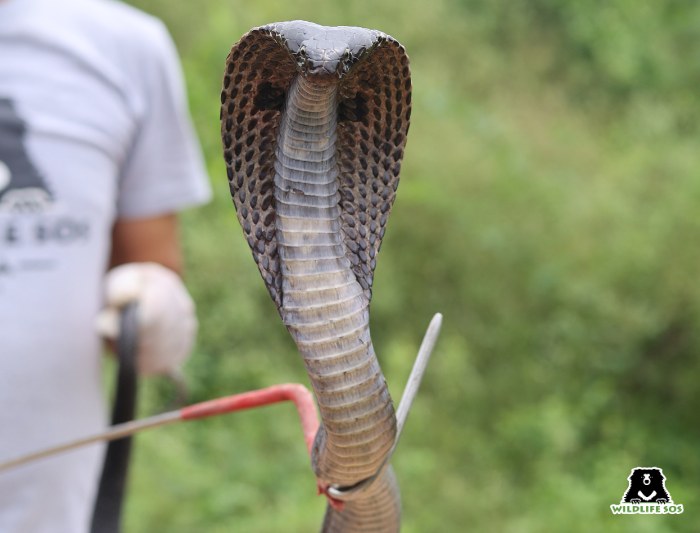
Many untrained rescuers use inappropriate capture methods that cause injury or death to snakes. The use of excessive force, inappropriate tools, or rough handling of snakes can result in internal injuries, broken bones, or their mortality. Some rescuers even kill snakes unnecessarily, claiming it was for public safety when non-lethal removal was possible.
Illegal Possession and Exploitation
Some individuals capture snakes for illegal possession, using them for superstition-based practices, entertainment, or illegal trade. This is particularly problematic with species like the spectacled cobra, which are often subjected to cruel practices such as fang and venom gland removal or mouth stitching.
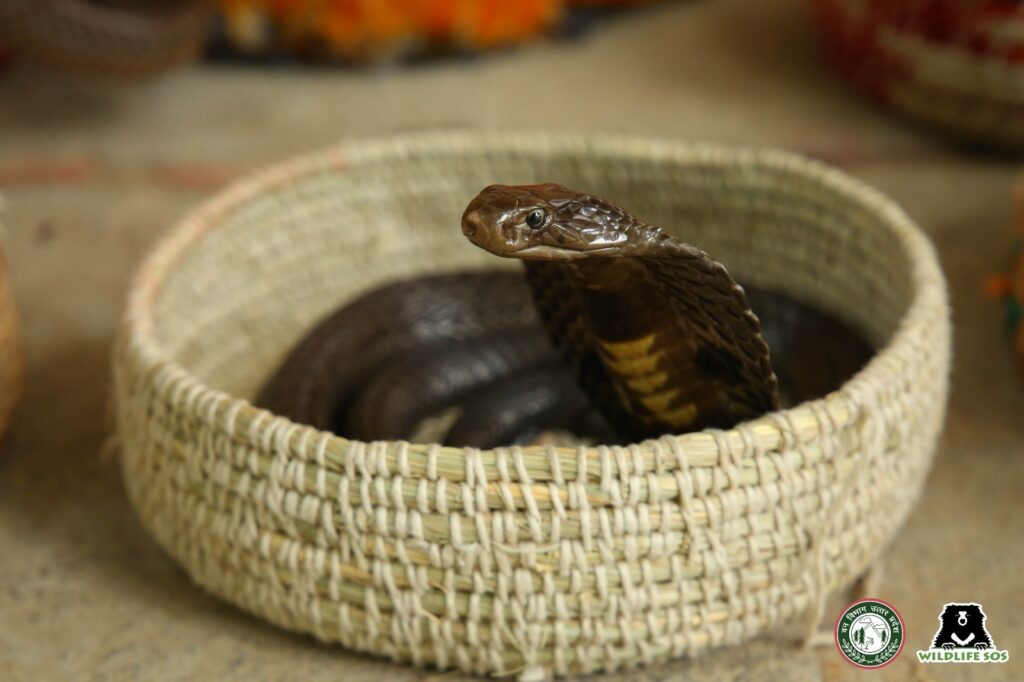
Snake charming, while idealised in popular culture, is illegal in India and constitutes animal cruelty. Wildlife SOS has rescued numerous snakes from snake charmers, helping to put an end to this cruel practice. Tourists and the public should never support or encourage such practices, as they promote illegal wildlife trade and cause immense suffering to the animals involved.
Legal Framework: The Wildlife Protection Act
All 300+ snake species in India — of which, 60 are labelled venomous — are protected under the Wildlife (Protection) Act, 1972. This legislation makes it illegal to hunt, capture, possess, or trade any snake species without proper authorisation. Penalties for wildlife crimes can include imprisonment up to three years and substantial fines.
Only certified rescuers with proper authorisation from forest departments are legally permitted to handle protected species. The law also prohibits the use of rescued snakes for display, entertainment, or commercial purposes.
Emergency Response: First Aid for Snakebites
In case of a snakebite, immediate medical attention is crucial:
- Seek emergency medical help immediately, do not wait for symptoms to develop
- Keep calm and still. If the bite takes place on the limb, it is advised to keep the bitten limb below the level of heart so as to slow the spread of venom
- Remove jewellery and tight clothing before swelling begins
- Clean the wound with soap and water and cover with a clean dressing
- If possible, take a photograph of the snake from a safe distance for identification
- Do not attempt to catch or kill the snake – even dead venomous snakes can be dangerous, as their fangs may still inject venom if touched or stepped on
Never use unverified remedies, tourniquets, ice, or attempt to suck out venom – these methods are ineffective and can worsen the situation.
Wildlife SOS: Your Partner in Ethical Rescue
When you encounter a snake in your area, contact professional rescue services rather than attempting removal yourself. Wildlife SOS operates the only 24-hour rescue hotlines in multiple regions across India, staffed by trained professionals equipped to handle snake rescues safely and ethically.
Wildlife SOS Rescue Hotlines:
- Delhi NCR: +91 9871963535
- Agra, UP: +91 9917109666
- Vadodara, Gujarat: +91 9825011117
- Srinagar, J&K: +91 7006692300 / +91 9419778280
Our trained teams respond to over 300 reptile rescue calls monthly, ensuring that every snake is rescued professionally with minimal stress to both the animal and humans involved. They also provide valuable education about snake ecology and coexistence, helping communities understand the important ecological role these reptiles play.
Building a Coexistent Future
Ethical snake rescue represents more than just removing unwanted animals from human spaces, it embodies a philosophy of coexistence that recognises the intrinsic value of wildlife and the importance of maintaining ecological balance. By supporting professional rescue operations, educating communities about snake behaviour and biology, and building the importance of identifying local snake species to distinguish venomous from non-venomous ones, we can reduce human-snake conflicts.
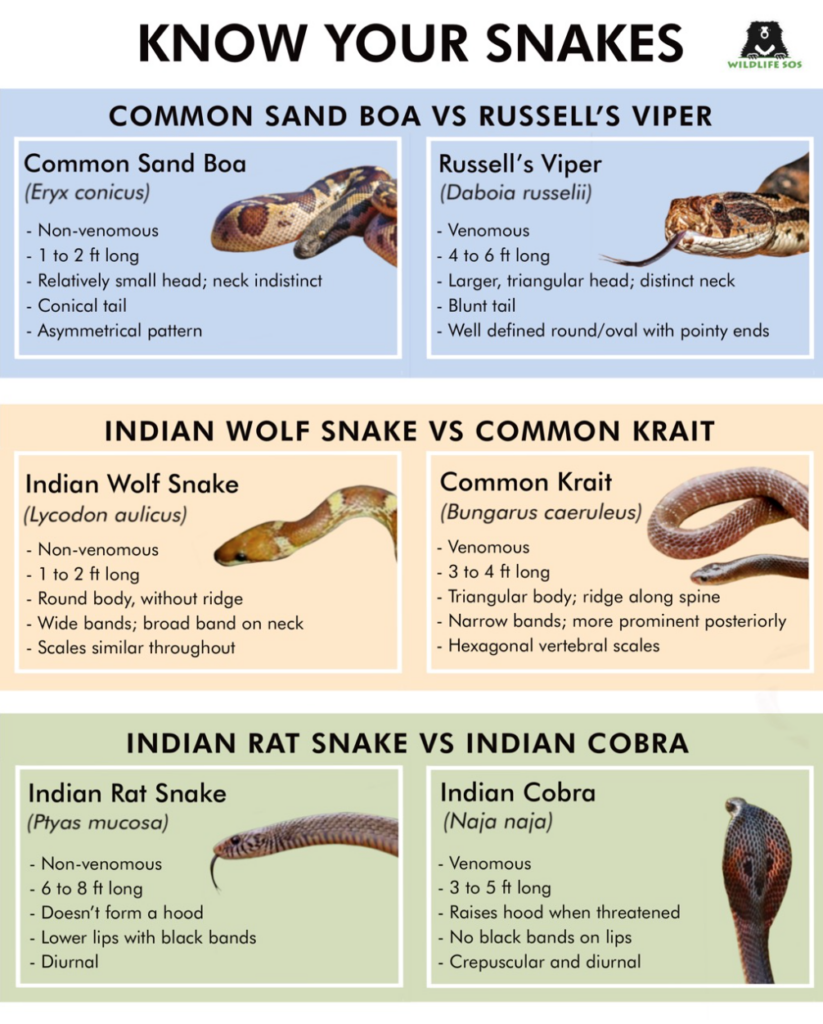
The path forward requires a collective commitment to science-based rescue practices, proper training and certification of rescuers, and public education about the reality of living alongside wildlife in an increasingly urbanised world. Only through such ethical approaches can we hope to reduce the tragic toll of human-snake conflicts while ensuring the survival of these remarkable and essential predators.
Remember: when you encounter a snake, your safety and the animal’s welfare depend on making the right choice, contact certified professionals rather than attempting the rescue yourself. Together, we can build a future where humans and snakes coexist safely and sustainably.
Feature Image: Mradul Pathak/ Wildlife SOS