
In the years post-COVID-19 pandemic, wildlife tourism in India saw an unprecedented surge. After months of confinement, people wanted to break out of the grip that technology had tightened around them. They rushed towards the quiet of forests, national parks and tiger reserves, seeking peace, calm, and a reconnection with nature. This boom seemed beneficial at first, increasing visibility for wildlife and leading to more awareness among the youth of India. But beneath the seemingly positive surface was a grim reality that went on to become grave.
Places meant to protect the wild witnessed a sharp turn towards satisfying tourists and photographers, who are coming in with alarmingly opposing motives.
Changing Natural Spaces
Across India, the edges of forests are fading. Commercial hotels and resorts are rapidly expanding, often encroaching upon critical wildlife habitats and causing habitat fragmentation. Post the pandemic, more hotels have become easily accessible in forest ranges that are just hours away from urban cities due to well-connected, newly-built highways. The views from these properties satiate the guests’ expectations and hotel profits, but deprive the wild of free movement across terrains. The lands being encroached are not just spaces up for grabs; these are lifelines that animals depend on for migration, breeding, and survival.
Blocking their pathways sends ripples through the entire ecosystem. With properties continuing to line up river shores and highways, animal movement is restricted, leading to isolated subpopulations that can no longer interbreed and promoting unnatural population patterns. This has the potential to bring about genetic drift among species. Animals are forced into smaller areas, with territorial species struggling to claim their home, disrupting their meals and breeding patterns. As the balance is lost, stress and conflict cases rise.

Choosing Wild Venues for Special Events
Imagine your neighbourhood suddenly becoming a noisy party venue. Your peace is violated, and your freedom to express discontent is snatched away. Unfortunately, for wildlife, human intrusion isn’t an occasional inconvenience but an ongoing and rising disturbance.
Protecting forests and declaring them ‘reserved’ both came into the picture to establish these spaces as safe havens where the abundantly diverse wildlife of India could exist with minimal human interference. But these locations are turning into exotic celebration grounds for many. Loud music on speakers, bright lights, increased human activity during peak animal movement hours, and even the bursting of crackers, are all carried out irrespective of the harm it brings to life beyond homo sapiens.

To this effect, the Supreme Court, in 2024, flagged the “mushrooming” of resorts around tiger reserves and their use as choice wedding destinations. Former Chief Justice of India B.R. Gavai condemned the trend in a judgment on the illegal felling of trees in the protected Jim Corbett National Park, one of the first of its kind in the country, saying how “Music is played at a very loud volume which causes disturbance to the habitat of the forests”. The court declared that the unbridled growth of resorts near protected forests for sheer commercial gains had destroyed the delicate ecological balance of the area.
The Safari Experience: Observation or Obsession?
Wildlife tourism revolves around safaris. Once rooted in patience and respect for wildlife, they now hold a different meaning altogether. Safaris are increasingly turning into high-speed pursuits for the ‘perfect shot’ or that one Instagram reel that could get the most traction online. All respect for the wild or its home is lost in those moments when vehicles crowd sightings, drivers compete for proximity, and when tourists and photographers urge guides to get closer so they can capture the best angle. Staying longer than needed, or chasing the animals, all defeat the very purpose these experiences were intended for.

These ‘traffic jams’ affect the animals in significant ways. One of the most desirable sightings for most is that of a tiger. While every effort is made to spot one, vehicles combing every inch of the forest can jeopardise their daily, natural routines. This predator species relies on stealth and timing when it comes to hunting its prey successfully. One loud noise or a sudden movement in the night safari gypsies, and all their effort to slyly stalk and ambush their prey goes in vain.
When their movements are repeatedly interrupted, the brunt is borne not only by these individual animals but also by their young. Tiger and leopard cubs, for instance, learn essential hunting skills by observing their mothers and practising in undisturbed conditions.

Safaris are meant for observing animal behaviour and learning about the peculiarities of different species. However, there are proper rules and guidelines set out to avoid any chaos for either us, visitors, or those who tread the forest trails day and night. Following them is a responsibility that lies completely in our hands.
Small Steps, Real Impact
Mindful intervention is crucial to support the well-being of our free yet protected wild. In certain national parks and tiger reserves like Ranthambore National Park, Sariska Tiger Reserve and Satpura Tiger Reserve, a recent development in this direction came with banning the use of mobile phones during safaris following Supreme Court directions. This ‘no-phone’ rule has helped reduce noise and commotion on jungle drives, and even prevents the tourists from blocking the passage of animals to record their perfect videos. While this has contained clickers to focus more on the wonders of the wild, those passionate to capture wildlife through photography carry their own cameras, with a disclaimer and an added responsibility to respect the muse and their home.
Recognising how human behaviour directly shapes the quality of the wild animals’ lives, such mindful steps can reflect an important shift needed.
Rethinking our Role as Visitors
Rules alone are not enough. The real change must come from within us and our desire to preserve the sanctity of all life. Responsible wildlife tourism is not about restriction — it is about respect. Respect for the voiceless, respect for their right to live freely. Most importantly, it means remembering that we are visitors, not owners, of their space.
By adopting small yet careful changes, we can help turn the wildlife travel experience back into an adventure that is more about learning and less about careless intrusion:
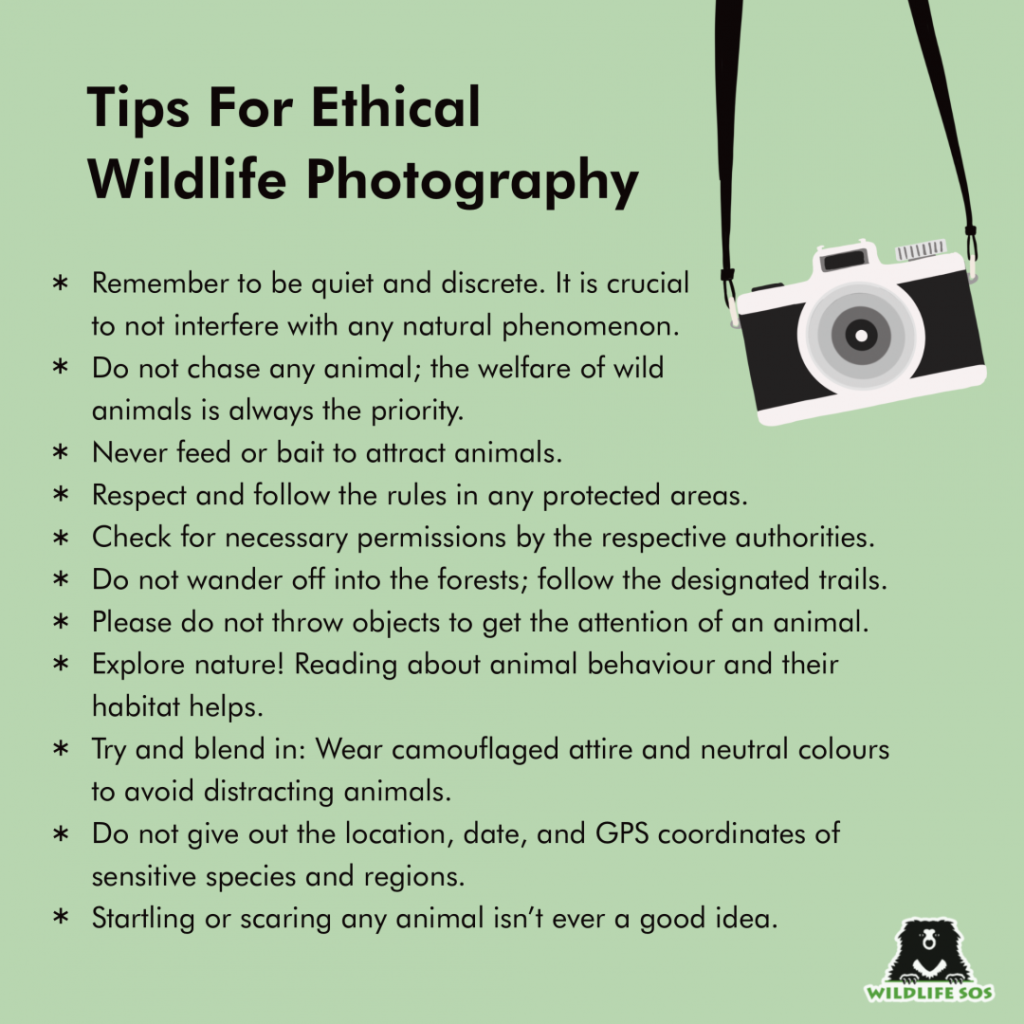
Choosing silence over noise: Listening to the forest speak becomes crucial when tracking animals. Different sounds have different meanings — a particular bird’s call or a spotted deer’s vocal alarm can guide us to some of the many secrets of nature.

Observing from a safe distance: The animals are as wary of us and the vehicles as we are of them. Proximity to the animals violates their sense of safety, often pushing them to charge at vehicles in defence. So, it becomes very important to maintain an appropriate distance to avoid causing any stress to wildlife.

Blending in with the environment: Animals’ senses of sight and smell are heightened, and so, camouflaging with the background only helps in undisturbed natural animal behaviour. Wearing neutral, earth-toned clothes can help minimise distraction. In a similar manner, foreign scents can cause unnatural behaviours in bees, interfering with their natural foraging, navigation and communication, and making tracking of wildlife difficult.
Letting go of the need to “click”: The very crux of wildlife conservation should not be jeopardised in the pursuit of best angles for photographs. Capturing wildlife on camera can be a regulated and sensitive process, not driven by adrenaline to get trophy pictures.
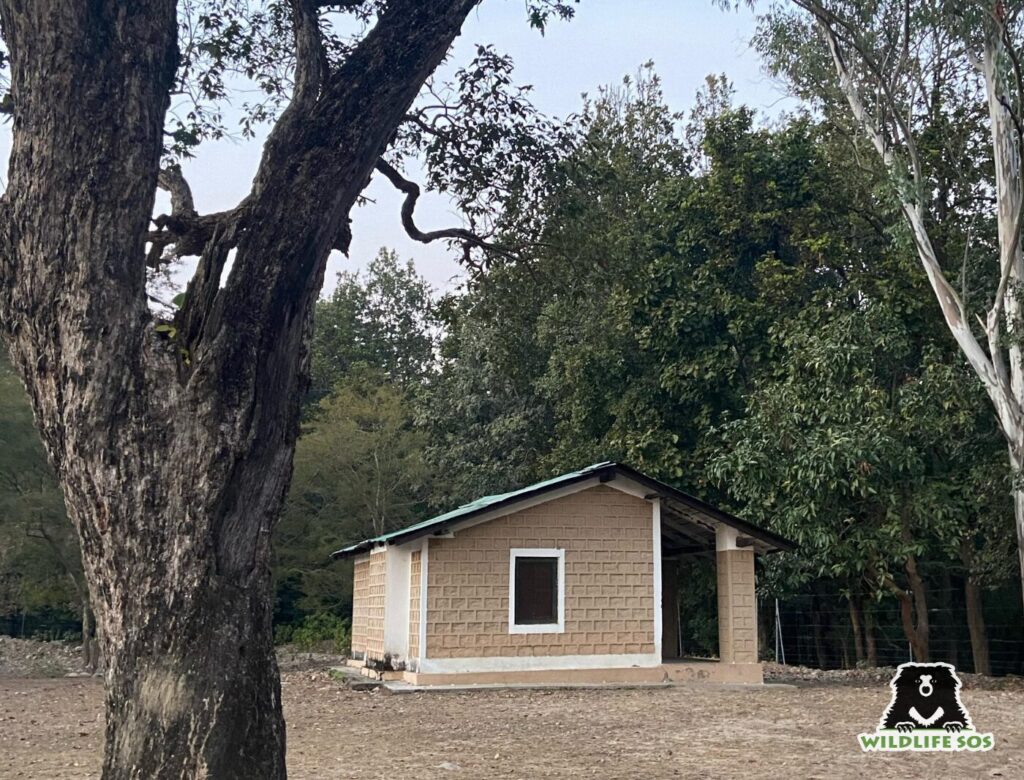
Encouraging eco-friendly stays: Choosing a place to stay in the wild wisely can make all the difference to the quality of your wildlife experience. Opt for rustic lodges and homestays that are aligned with the welfare of wildlife through the use of eco-friendly amenities and proper sewage disposal.
A Question We Must Confront
Wildlife SOS runs 24×7 rescue helplines to help save wildlife that wanders into human settlements or are trapped unexpectedly in urban areas. Our goal remains to safely rescue, treat, and re-release wildlife to its natural habitats once our medical teams deem the animals fit. But what happens when the habitat itself is no longer safe?
If forests become noisy, crowded and fragmented, if animals cannot move freely, hunt naturally, or live without stress, then where do they truly belong and feel at home?
When the conditions to sustain life aren’t conducive at the very core of these wild areas, the animals suffer greatly from constant disruption of their peace, both physical and mental.
Making the Forests Feel like Home Again
If we leave the future of wildlife conservation solely to the policies or authorities, we will be truly missing out on an opportunity to play our role in bridging the gap between responsible travel and habitat preservation. The future depends on us—our awareness, our choices, and our willingness to step back.
Shifting our mindset from consumption to coexistence, from only receiving to also giving back, holds the power to retain wildlife tourism as a force for good. Learning and sharing about the wild world inspires many to support conservation efforts. Once communities residing next to forests understand how they are also stakeholders in protecting wild habitats, coexistence can replace situations of conflict through safety and sensitivity.
Owing to the notion of restoring habitats, Wildlife SOS initiated the ‘Rewild for Wildlife’ project to plant native trees in three locations – Ramdurga in Karnataka, the Elephant Conservation & Care Centre in Mathura and the Agra Bear Rescue Facility in Agra.
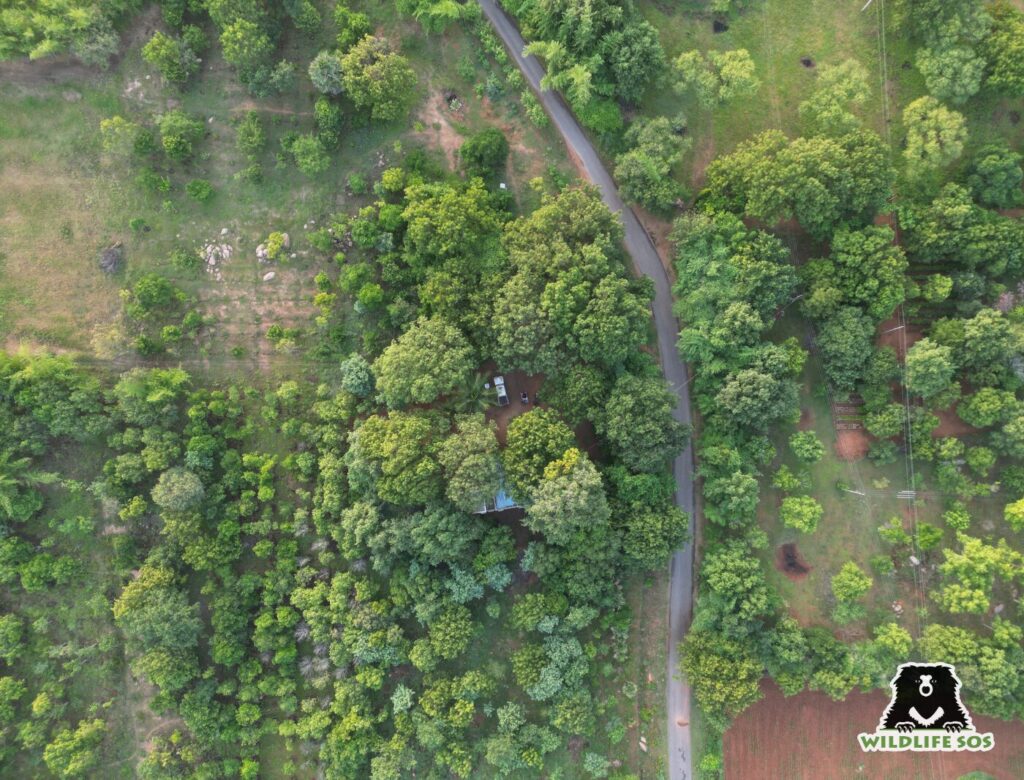
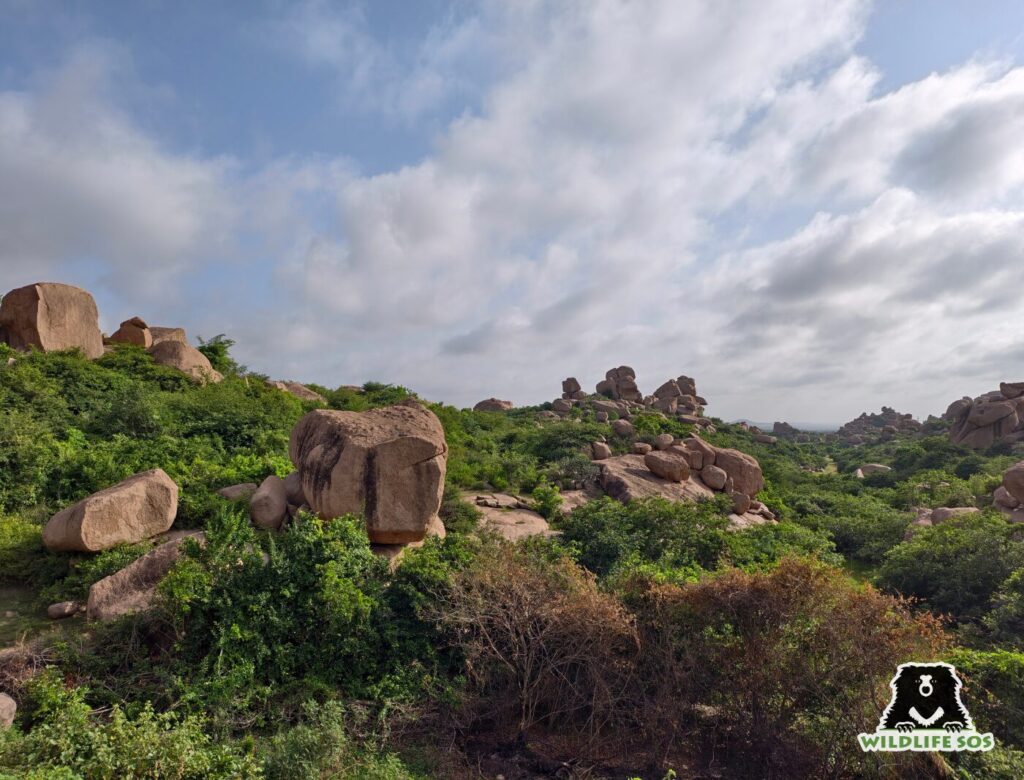
Back in 2006, Wildlife SOS took on a habitat restoration project near Ramdurga village in Karnataka to create a wildlife corridor and restore wildlife populations that had vanished due to anthropogenic activities. In the last two decades, this initiative has not only revived the lost wild sloth bear population, but it has also helped restore rich biodiversity like tortoises, leopards, avians such as yellow-throated bulbuls and pangolins, in this habitat.
The forests of India are not destinations. They are homes to creatures we share this planet with. And it is time we started treating them that way. The willingness to coexist harmoniously needs to come from within and be reflected in every small action. Let us do our bit to keep the wildlife of India from facing stress at our hands by practising and encouraging safe and ethical wildlife tourism.
Together, we can help rebuild ecosystems, protect endangered wildlife and maintain their peace by preserving their homes. You can join us on this transformational journey by supporting our initiatives and donating today for our precious wildlife’s blossoming tomorrow.
Feature image: Deeksha Sharma/ Wildlife SOS


