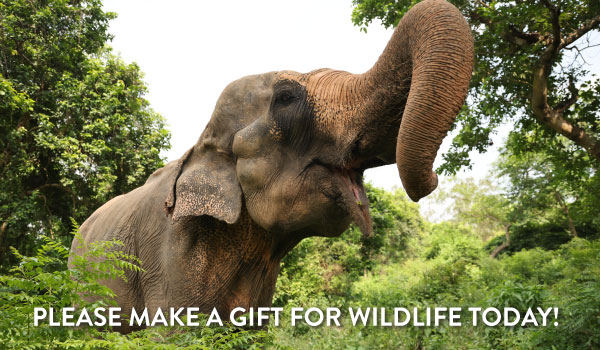
The numbers are in, and they should shake us all and leave us utterly horrified! India’s wild elephants – our nation’s heritage animal, cultural deity worshipped as the elephant God, seen as icons of strength, wisdom, and good fortune—are vanishing faster than we feared—all thanks to human intolerance.
As a global community, we can no longer afford to treat the loss of elephants as an abstract tragedy. It is a call to act and act together we must. The time to act is now!
Just a few weeks ago, a landmark multi-year survey on India’s elephant populations was released. This study, which combined advanced DNA analysis of elephant dung with thorough field investigations throughout India’s remaining elephant habitats, provides the most in-depth insight yet into the country’s wild elephant numbers. Since India is home to the world’s largest surviving population of wild Asian elephants, the results are not only vital for the nation but also serve as a global benchmark for the species’ status. The findings are deeply concerning: there has been a dramatic drop of almost 8,000 elephants – a 25% decrease – from around 29,964 in 2017 to just 22,446 in 2025. That means 7,518 elephants have vanished in only seven years, averaging out to three elephants lost every single day. If this doesn’t shock and alarm us, what will?
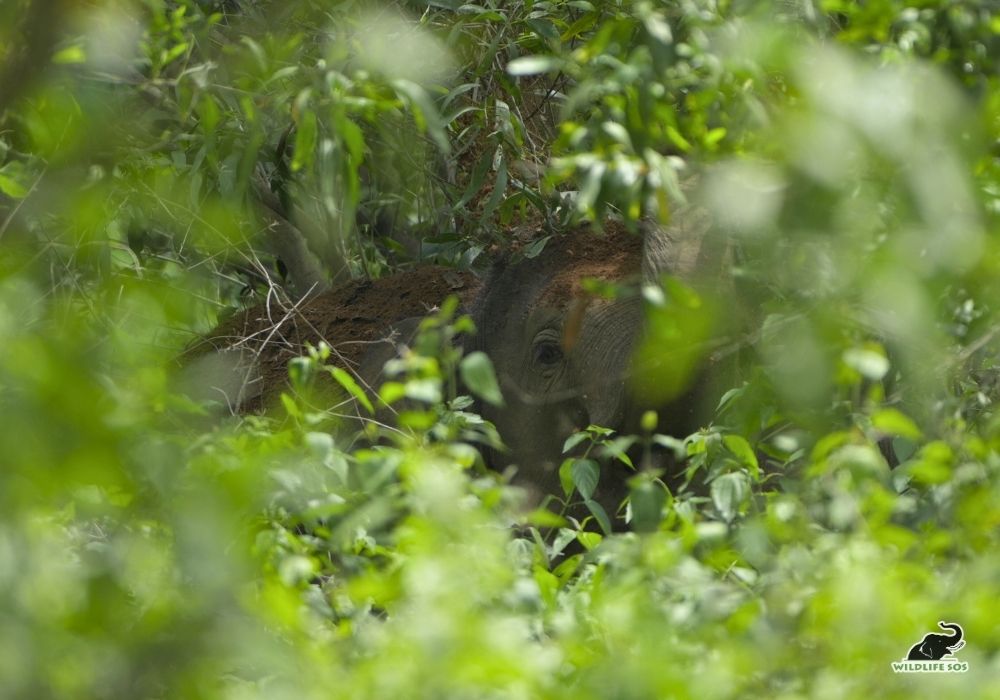
Before this census, scientists estimated there were about 40,000 wild Asian elephants across their multi-country range. With the steep decline in India, the total population now likely falls far below that 40,000 mark. By contrast, Africa is home to more than 4,15,000 wild elephants, meaning Asia’s wild population is now less than 10% of Africa’s. The low numbers of Asian elephants have alarmed conservationists since 1986, when the species was first placed on the International Union for Conservation of Nature (IUCN) Red List as Endangered – a category that signifies a very high risk of extinction in the wild. Nearly 40 years later, their numbers continue to fall—a warning that is alarming and should concern every one of us.
Thankfully, the Wildlife Institute of India, a government agency, recognized the urgency of obtaining accurate data and invested significant resources—funding, technology, staff, and time—into this effort. Their detailed analysis not only provides vital information about the numbers and distribution of wild elephants, but also identifies where conservation challenges are most severe and what actions are needed to prevent further declines. The report highlights interventions required and recommendations to restore fragmented and degraded habitats, strengthen corridors, and reduce conflict between elephants and people.
At Wildlife SOS, these findings fuel our unwavering conviction: the survival of wild elephants is within our reach, provided we fiercely protect their natural habitats and foster peaceful coexistence with the communities who share their landscapes. In Chhattisgarh, our teams are bringing this vision to life—going from village to village to empower rural communities with knowledge about elephant avoidance, sharing practical safety techniques, and offering guidance on safeguarding crops and property. At the same time, our dedicated biologists are on the ground, working with the communities to guide elephant herds back toward forests instead of crop fields. Through these collaborative and compassionate efforts, Wildlife SOS is not only reducing conflict and preventing retaliation, but building a foundation of understanding and mutual respect between people and elephants. This approach has proven successful—a model of harmony that, alongside broad landscape level initiatives, is lighting a hopeful path forward for India’s elephants and the people who call these wild places home.
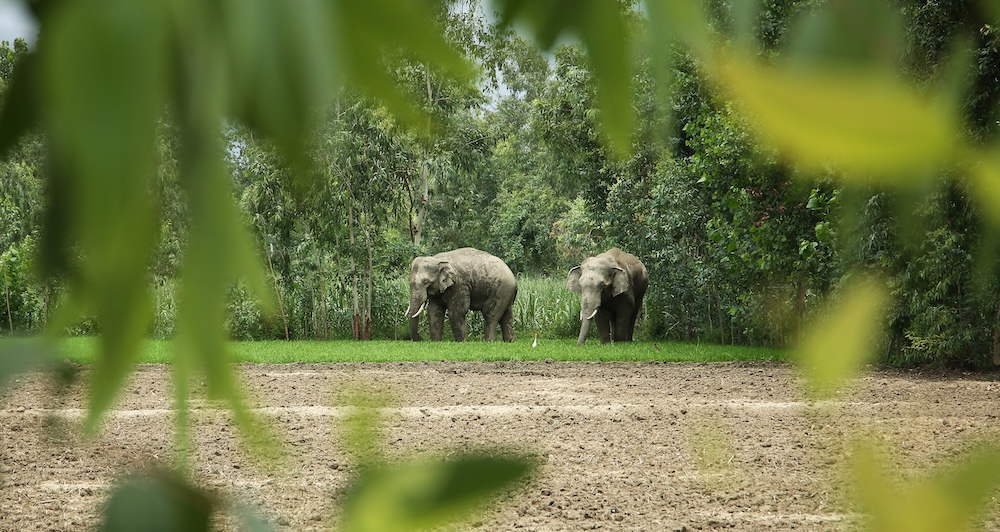
Across India’s states, the distribution of wild elephants also shows deep disparities. According to the latest survey results, the state of Karnataka hosts the largest share at around 6,013 elephants, followed by Assam with about 4,159, Tamil Nadu with approximately 3,136, and Kerala with around 2,785. In contrast, some states in central and eastern India record very low counts—for example Madhya Pradesh with only 97 elephants and Maharashtra with 63—underscoring how fragmented and threatened elephant populations are in those regions. These stark differences underline that conservation efforts must be tailored—what works in Karnataka’s dense forest-corridor landscape will be very different from what’s needed in the small, isolated herds of central India moving from island to island in search of safe habitat and food.
For nearly thirty years, Wildlife SOS has been a beacon of hope for India’s elephants, leading impactful initiatives to conserve these magnificent animals. Our dedicated team works tirelessly to protect vital habitats, respond swiftly to conflicts, rescue elephants suffering in captivity, and provide lifelong sanctuary, care, and medical support to those who cannot return to the wild. Through our renowned Elephant Conservation and Care Centre and innovative, community-driven conflict mitigation programs, we tackle every challenge—whether it’s restoring lost habitat, reducing human–elephant conflict, preventing poaching, or ending the exploitation of elephants in tourism and labor. Each rescue, medical intervention, and awareness campaign is a testament to our commitment to securing a vibrant future for both wild and captive elephants in India. We take immense pride in this mission, inspired daily by the remarkable resilience and spirit of elephants when they are given the protection and respect they deserve.
While the study’s findings are undeniably alarming, the depth and clarity of this research offers us a vital lifeline—and a surge of hope. No longer are we left stumbling in the dark, uncertain of what action to take. The path forward is clearly mapped out before us. In some regions, our most urgent task is to nurture understanding and compassion among the people living alongside wild elephants. In others, it’s imperative to remove invasive plant species and restore rich, thriving habitats. Elsewhere, the focus must shift to reconnecting fragmented wildlife corridors or resolving human–elephant conflict through innovative, community-driven solutions. Saving elephants is not just about rescuing a single species; it is a profound act of preserving the delicate balance of our ecosystems, honoring the cultural legacy that shapes our identity, and upholding the moral duty that defines our very humanity.
The fate of Asia’s elephants hangs in the balance, and our choices now will decide their future. This is a problem that governments and conservationists can’t shoulder alone. Each of us has a stake. At Wildlife SOS, we lead the fight for every last elephant, but true salvation demands a united front—a movement of governments, scientists, and ordinary people who refuse to watch these magnificent beings vanish from our world. Half-measures and hesitant steps are no longer enough. What’s needed is bold action, unwavering unity, and fierce determination—and the clock is ticking! If ever there was a time to show our humanity, it is this moment. Will we rise together and become the generation that saved the giants of Asia, or will history remember us as the ones who let their trumpeting voices fade into silence? The answer lies with us. The time to act is now. If we fail even the most recognisable and beloved species on the planet, it doesn’t bode well for our future in a wild world. – Kartick