Across India, from the most crowded cities to rapidly growing towns, wild animals increasingly share space with humans. More and more animals find themselves in areas such as roadways, residential areas, industrial zones, and agricultural lands, where they may be injured, trapped or displaced. As our team remained at the forefront to address such cases through its 24-hour hotline, we rewind the year and glance through the achievements of the Rapid Response Units in animal rescue and rehabilitation.
In January 2025, a dramatic rescue unfolded in Sohna near Gurgaon when a male leopard strayed into a residential society, triggering misplaced fear among residents. The leopard was discovered trapped within a sewage treatment plant inside the society, with limited space to escape. Stress levels increased among the crowd that had gathered, as much as it did in the animal in distress.
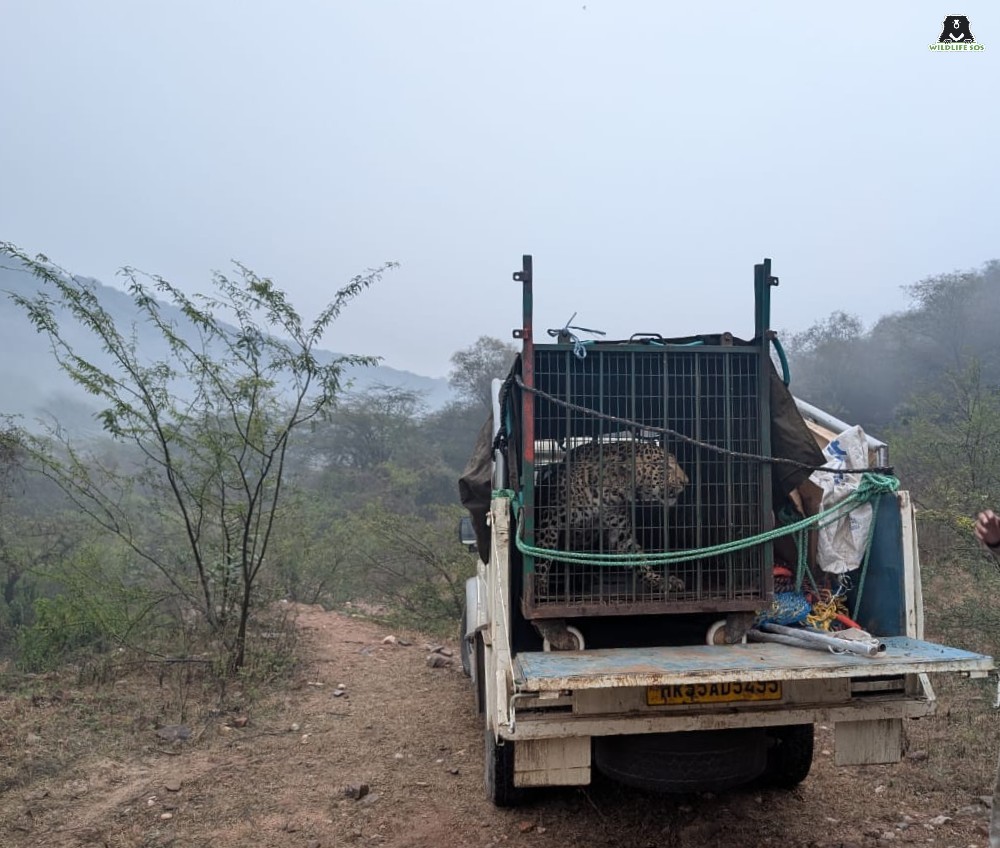
Upon receiving the alert, the Haryana Forest Department sought support from Wildlife SOS, whose experienced rescue team arrived to assist in planning a safe extraction. Given the confined environment and the risks associated with chemical immobilisation, the team collectively decided not to tranquilise the animal. Instead, a carefully coordinated, low-stress approach was adopted.
Rescuers used a high-pressure water jet to gently guide the leopard toward an exit point, where a trap cage had been strategically positioned. The operation required patience and precision, stretching over nearly four hours, as teams ensured the animal was neither injured nor unduly distressed. Eventually, the leopard calmly entered the cage and was secured without harm. Medical examination revealed the leopard to be healthy and alert, and was later released into a suitable forest habitat. This successful rescue operation highlighted the importance of quick cooperation and a scientific approach in ensuring a safe rescue.
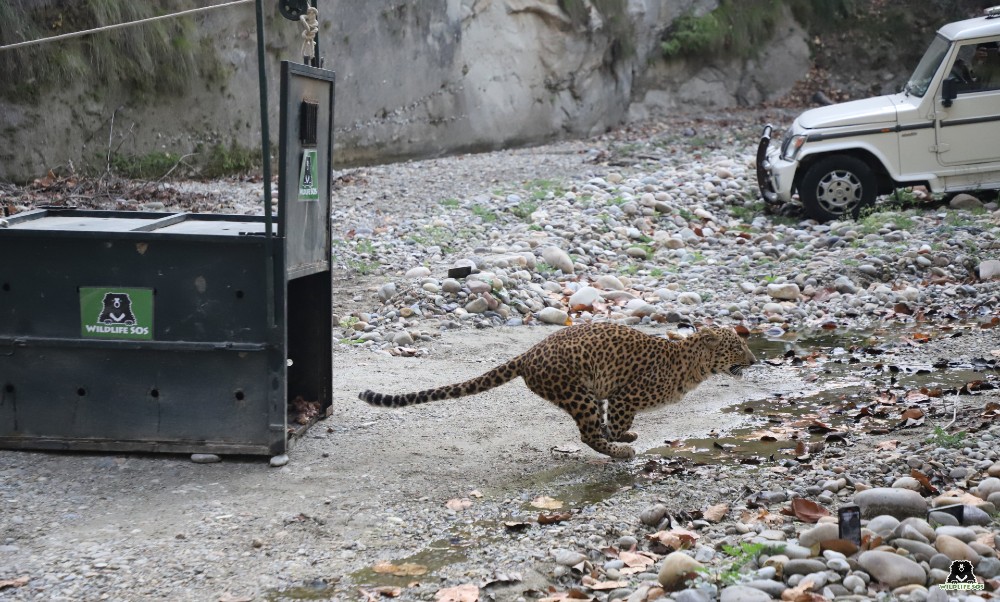
Though the leopard rescue incident drew attention to the difficulties encountered by large predators in the landscape dominated by humans, 2025 also highlighted looming threats that birds are facing in the fast-growing cities of India.
In March, our team in Delhi was involved in a significant rescue case of a wounded black kite that had been found grounded at a high-security residential area in New Delhi. The wounded bird of prey could not fly, and had been taken to a safe location by Wildlife SOS rescuers and given proper veterinary attention. After regaining strength and being monitored, the bird was successfully released into its habitat.
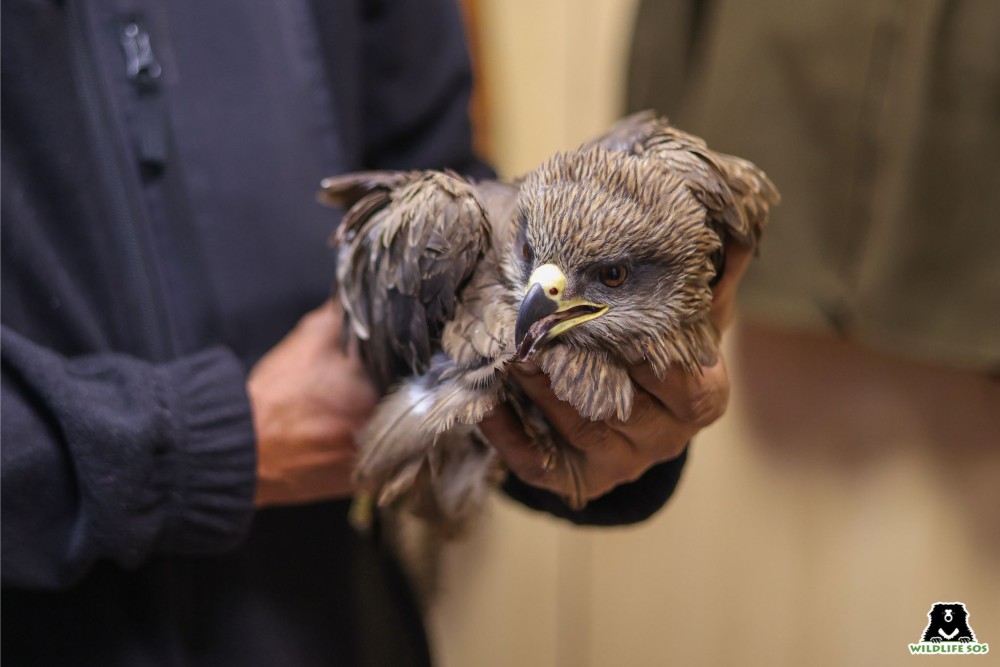
This rescue was one among more than 1,000 bird rescues carried out by Wildlife SOS over the year, many of which took place during the peak summer months, when extreme heatwaves posed a serious threat to avian life. From raptors collapsing due to heat stress to smaller urban birds suffering from severe dehydration, our teams worked tirelessly to provide emergency hydration, medical treatment and rehabilitation.
Continuing this wave of rescues, April saw the Agra rescue team responding to an urgent call in Ghadi Rosu village of Mathura. Here, two civets were found trapped inside a deep open borewell within a human settlement, placing the animals at serious risk. Disoriented and vulnerable in the narrow shaft, the nocturnal mammals faced the threat of injury and exhaustion, with no means of escape.
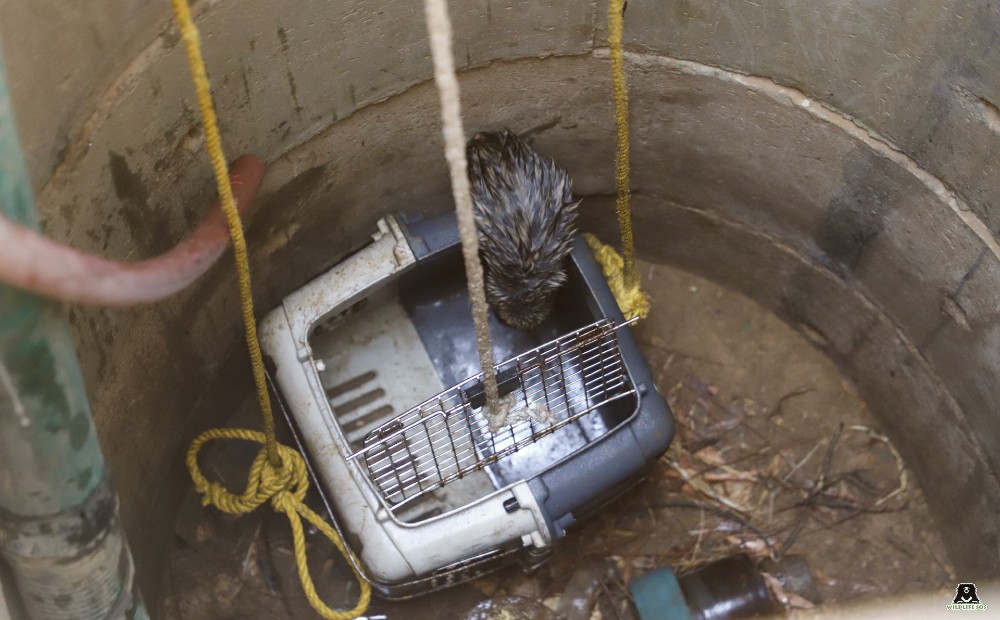
Following the alert, the Uttar Pradesh Forest Department and Wildlife SOS’s rescue team executed a well-thought-out operation. The team safely removed both civets from the borewell using methods intended to reduce stress, and performed on-site health examinations to look for wounds or trauma signs. The animals needed to be observed but did not require extensive medical care because they were awake and responsive. Following standard quarantine and monitoring protocols, the civets were later released into a suitable natural habitat.
In May, the team responded to a distress call from Tarauli village in Govardhan, Mathura, where two hog deer, an adult male and a juvenile female, had wandered into the village while being chased by a pack of stray dogs, triggering concern among residents. In their attempt to escape, both animals sustained injuries to their hind legs, leaving them vulnerable and unable to move to safety.
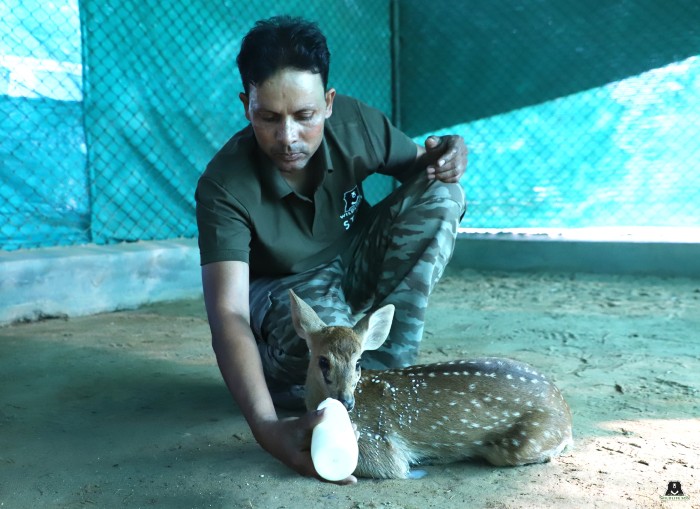
Upon receiving the alert, a joint team from Wildlife SOS and the Uttar Pradesh Forest Department reached the site and carefully secured the deer. They were safely transported to the Wildlife SOS Transit Facility in Agra, where they received medical attention and supportive care. Both animals were found to have superficial injuries and responded well to treatment during their two-day recovery period. Following thorough health evaluations, the hog deer were released, marking a successful conclusion to a rescue that highlighted the risks faced by wild herbivores straying into human settlements.
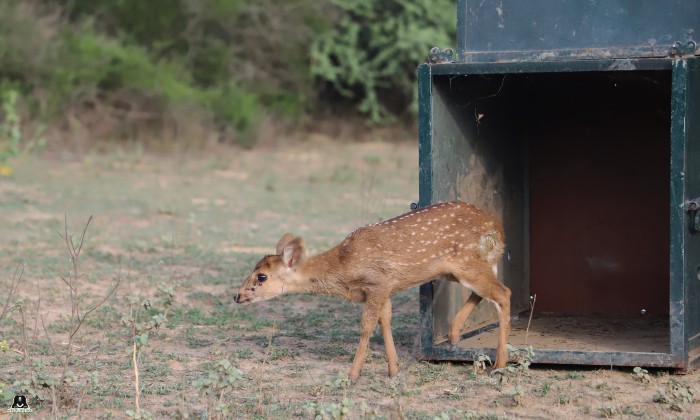
In the same month, we assisted in a delicate rescue operation in the Junnar forest range of Maharashtra, where a young leopard cub was found trapped inside a deep open well. Working alongside the Maharashtra Forest Department, the rescue team implemented a non-invasive extraction method, allowing the cub to safely climb out and return to the surrounding forest. The timely intervention ensured the cub was rescued without injury and reunited with its natural environment.
In July, as the monsoon rains soaked much of India, Wildlife SOS Rapid Response Units were kept busier than ever as rising water levels forced many animals, especially reptiles, out of their burrows and natural shelters and into human-occupied areas. Across the country, teams navigated heavy rains, slippery roads and challenging conditions to reach animals in distress, responding to calls from alert and responsible citizens who contacted the Wildlife SOS 24-hour emergency rescue helpline.
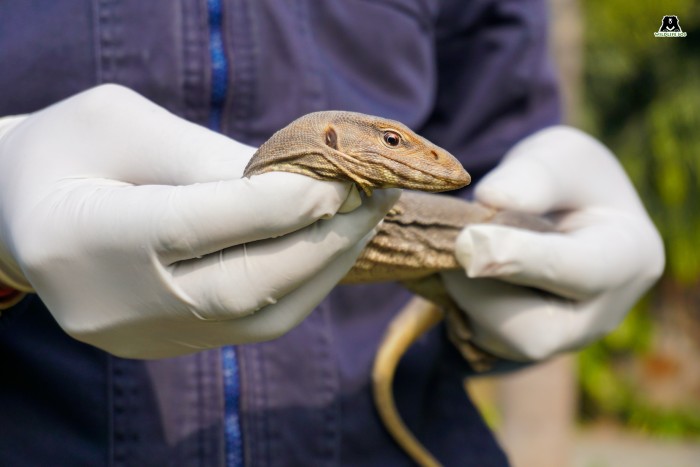
One notable rescue took place inside the Jawaharlal Nehru University (JNU) campus in Delhi, where a four-foot-long spectacled cobra was found coiled near a gas cylinder inside the Tejas Canteen. After canteen staff vacated the area and called our hotline, a trained rescuer from our team reached the site, safely took out the venomous snake, and released it back into its natural habitat.
The impact of the monsoon was evident in the organisation’s monthly rescue numbers, with nearly 220 reptiles aided across the four regions, as rising floods and waterlogged burrows forced them into urban areas throughout the monsoon months.
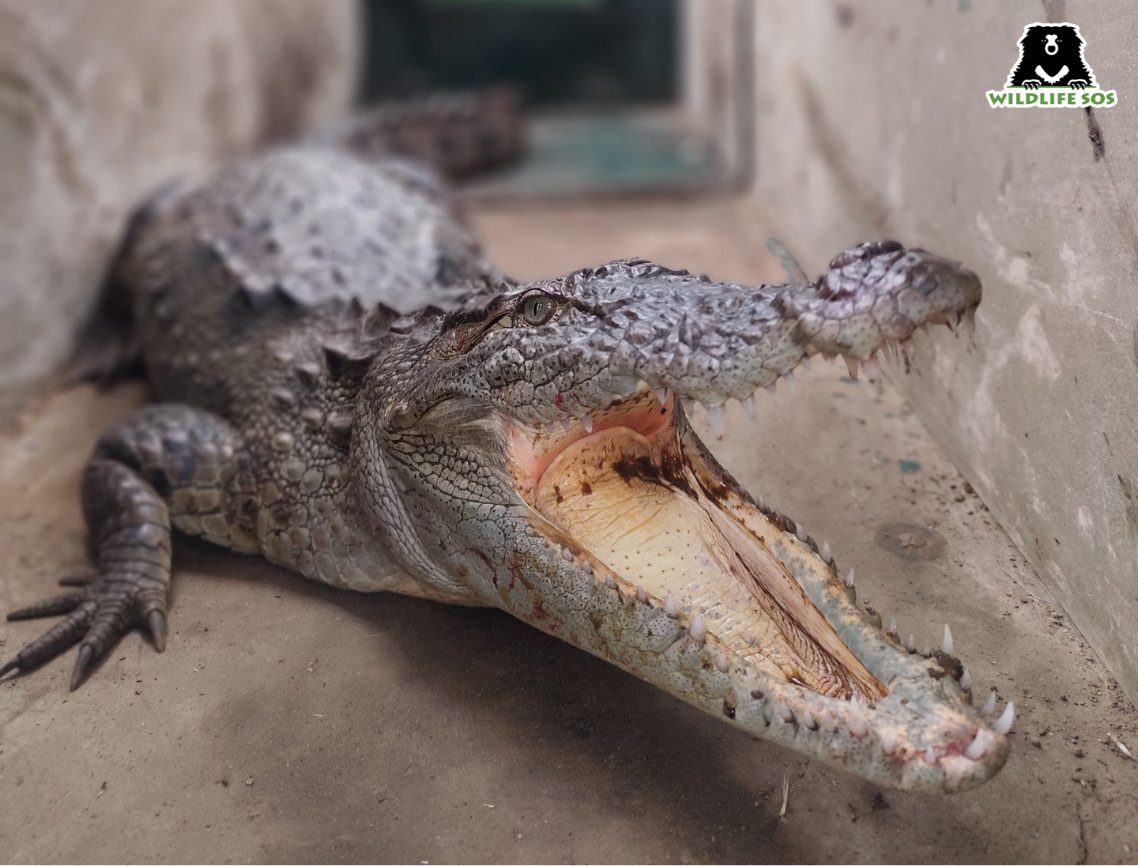
In October, as there was a slight nip in the air, Wildlife SOS teams continued to respond to a wide range of calls. One memorable instance was of an early morning operation, where a six‑foot‑long mugger crocodile was rescued from an agricultural field in Nagla Kushal village in Uttar Pradesh, far from its typical home. Keeping in mind the wellbeing of the reptile, the team safely rescued the crocodile and released it in a suitable natural habitat nearby where it could flourish, away from human activity.
In November, while northern India was experiencing the advent of winter, Gujarat did not witness a considerable drop in the mercury, which encouraged reptile activity to remain high well into the month. As a result, snake and crocodile rescues continued to dominate the Vadodara Rapid Response Unit. With the highlight of the month being a crocodile rescued from a swimming pool, that poor croc was possibly startled by the drastic change of its aquatic habitat! The team in Vadodara eventually rescued over 40 reptiles, including this crocodile.
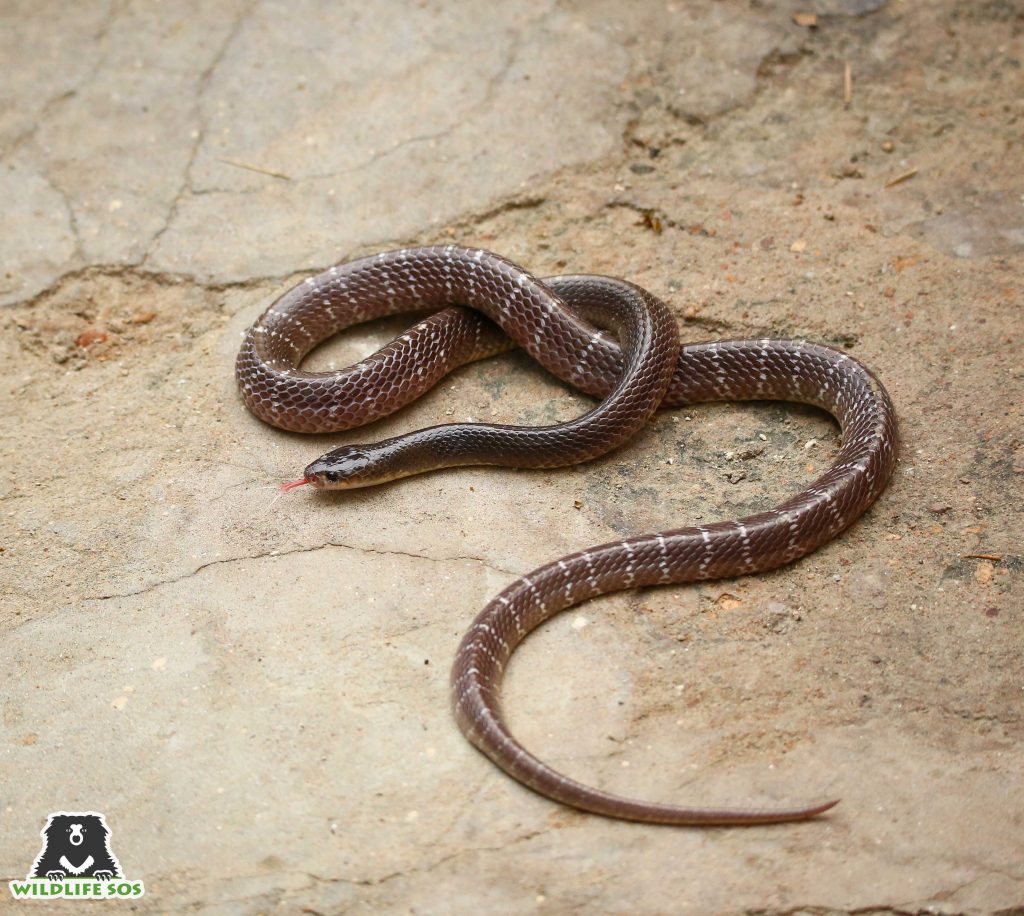
With the spotlight shifting to Jammu & Kashmir, November heralded the beginning of winter and lower animal rescues in the region. Challenging ones included an Indian rat snake rescued from a pile of stored firewood and an injured barn owl from a local residence, with the final tally for the month standing at a total of six rescues.
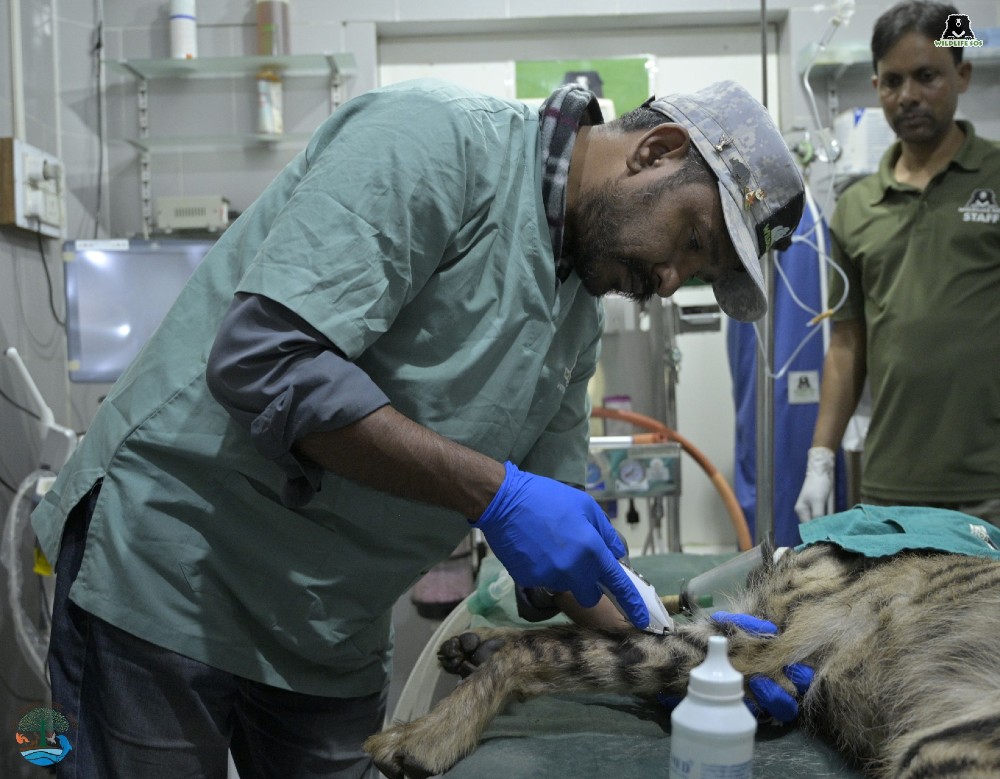
People were alarmed when a sub-adult female striped hyena with severe facial injuries and signs of dehydration was seen struggling in an open agricultural field in the last month of 2025. The sighting in Bilpura village near Agra brought to light the difficulties faced by wild carnivores that co-habit human-dominated landscapes. As agricultural lands continue to expand and natural habitats become increasingly fragmented, animals like hyenas are often pushed out of their traditional territories.
Upon receiving the news, the Uttar Pradesh Forest Department contacted our rescue team, which promptly arrived to plan a low-stress rescue operation. Considering the hyena’s fragile condition and potential for panic, the team opted for careful, controlled handling, ensuring the mammal would not be further distressed or injured. Rescuers safely secured the hyena and transported her to ABRF, where veterinary experts provided hydration therapy, wound care and supportive treatment. Over the course of several days, the animal responded well, regaining strength and alertness.
Wildlife SOS also assisted in rescuing a sambar deer in the Agra-Mathura region during the month, ensuring the animal was carefully captured, medically assessed and returned to a secure natural habitat once fit.
The Maharashtra team was called into action in December when a barn owl needed assistance after being found grounded. When the owl arrived at MLRC post rescue, it was weak and unable to fly. With supportive care, supplements and close monitoring, it steadily showed improvement in health. Ensuring that the raptor could fly upon release was the team’s top priority, and seeing it soar again was immensely rewarding.
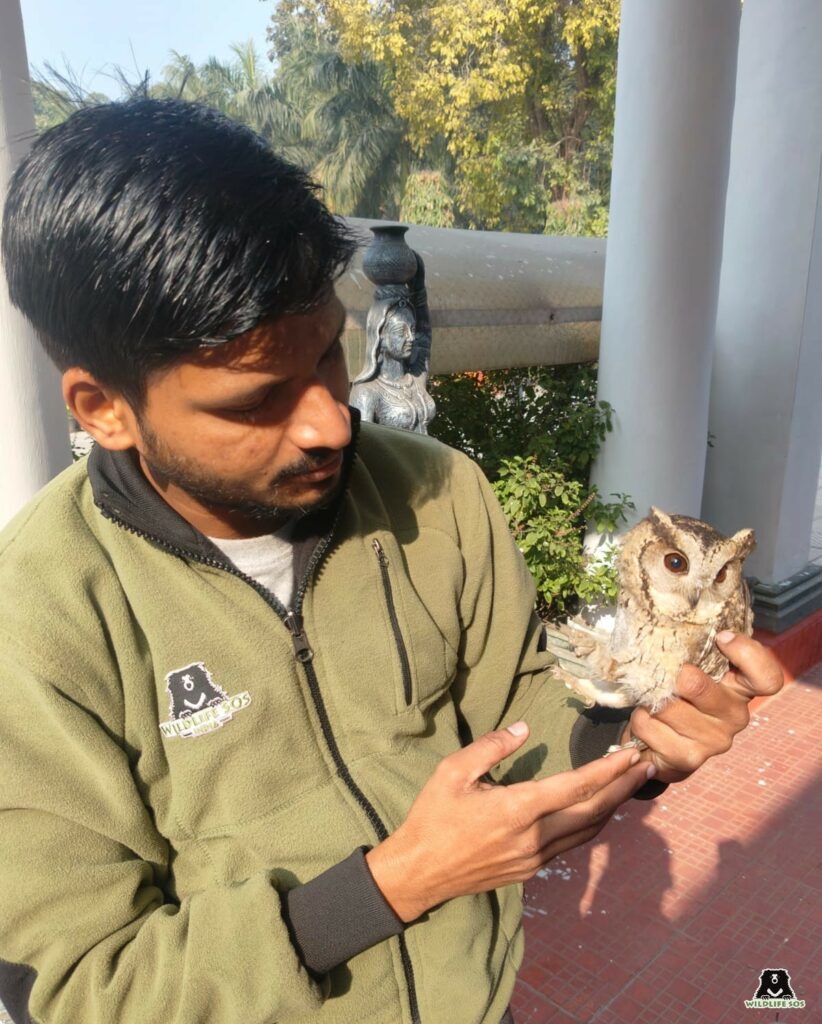
In northern India, in Delhi, a different owl species required our help, and the rescue team extended a helping hand to an Indian scops owl. In a display of citizen cooperation, our team rescued one of the rarer owls in the city, when the raptor was retrieved from a cabinet minister’s residence in New Delhi. The bird, having possibly strayed, entered the house and was kept securely in a box by the alert staff. After being kept under medical observation, the bird was released back in the wild upon being deemed fit by our veterinarians.
The Rapid Response Unit rescued the highest number of birds from Delhi in December, which stood at 102, followed by 38 from Vadodara, 17 from Agra and five from Jammu & Kashmir. While 124 mammals were rescued in the month, reptile numbers stood at 92. This took the total tally of animal rescues for December to 378.
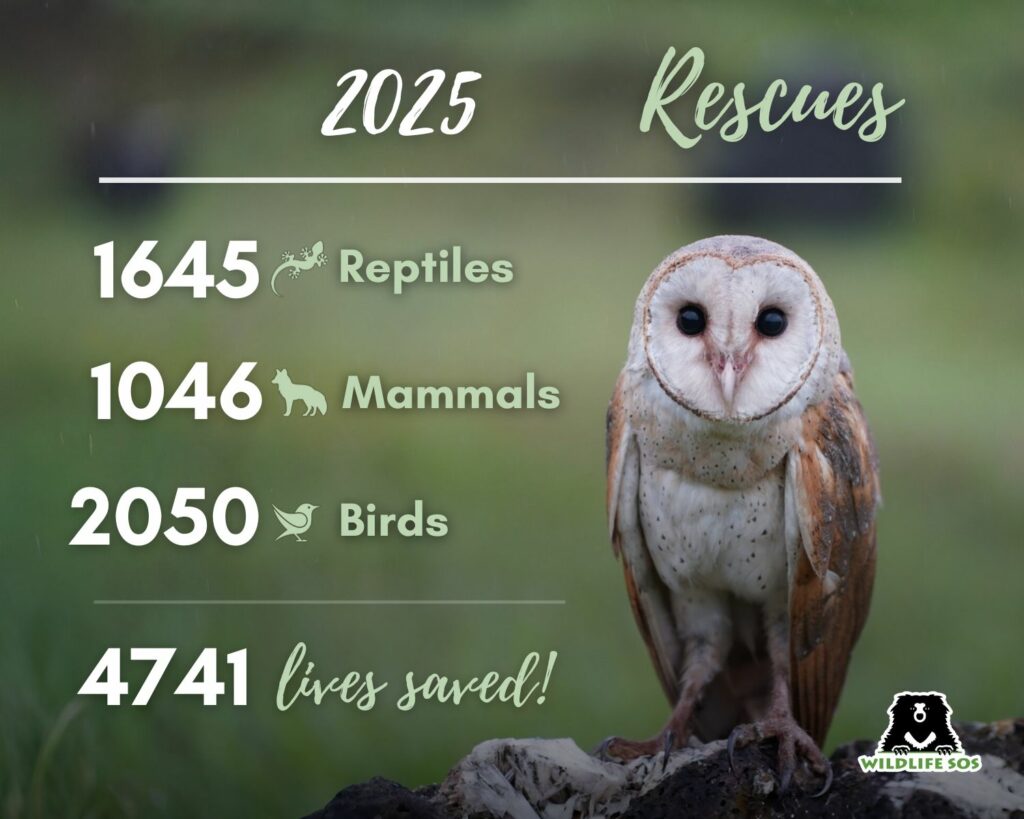
For the year 2025, the Rapid Response Units across all four regions rescued over 4700 animals! Backed by such staggering numbers, our rescue efforts underlined that human-wild animal interactions across urban, semi-urban and rural landscapes are extremely prominent. But it still left a lingering question, one which becomes starker every year. Will human infrastructure expansion cause more and more distress to wild animals, or will we learn to coexist with our wild neighbours, while accepting their presence with more prudence?
Every month, Wildlife SOS receives hundreds of calls regarding distressed animals trapped in urban areas. If you ever see an animal in trouble, contact any of our 24×7 emergency rescue helplines in running in four regions:
Delhi NCR: +91 9871963535
Agra & Mathura, Uttar Pradesh: +91 9917109666
Vadodara, Gujarat: +91 9825011117
Jammu & Kashmir: +91 700669230
Featured Image (c) Vineet Singh/Wildlife SOS