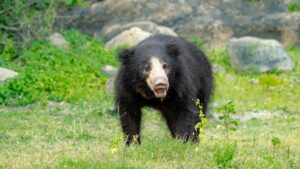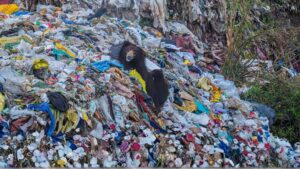
Rescuing an animal from exploitation or captivity is often seen as the end of its suffering. Yet in reality, it is only the beginning of a long and delicate journey of healing.
Many animals rescued by conservation organisations like Wildlife SOS arrive with visible physical injuries: wounds, malnutrition, infections, or chronic health problems caused by years of neglect. However, the deeper wounds are often psychological. Animals that have endured harsh captivity, forced labour, or abusive handling frequently associate humans with fear, pain, and punishment that is often visible in their reactions.

For wildlife rehabilitators, mental trauma of animals presents a complex challenge. Before professional medical experts prescribe long-term treatments and medications for physical care, it is imperative and crucial to create a bond of trust with the animal for every interaction to be carried out with ease. This mustn’t be misunderstood as a goal to ‘domesticate’ wildlife.
Animals rescued from adverse captivity have undergone torture intended to subjugate them. Poached from the wild as mere infants, they missed the opportunity to acquire survival skills of the wild world they belonged to. Their health and nourishment is neglected, and their bodies and spirits are broken — consequences of which can last a lifetime. Hence, releasing these animals in the wild is nothing short of another trauma.
The aim after rescuing animals with medical adversities, therefore, is to provide them with a second, highly improved, chance at life. The animal now deserves a safe environment, where necessary human interaction no longer triggers fear or stress. Establishing this is essential for ensuring both animal welfare and the safety of the people who care for them.
Why Normalising Human Presence is Necessary
Many rescued animals suffer from chronic issues that require lifelong care and medical attention. In such cases, limited and carefully managed human interaction becomes necessary to maintain their health and well-being.

Wildlife SOS operates rescue and conservation centres, of which three are dedicated to elephant care, four for sloth bear rehabilitation, and one where leopards rescued from conflict situations are given safe shelter. In the initial days of rehabilitation at these facilities, we strictly follow a quarantine protocol to allow the animal to familiarise with their new surroundings at their own pace. A sudden change in environment for the animal demands a sensitive approach and patience by caregiving teams. Their fields are akin to the wild forest, lush with dense shrubs, native trees and soft earth. Another way to help the animal feel at ease is through food that is not just appetising, but also nutritious for them. After experiencing inhuman treatment, creating a sense of belief in humane care requires observation of their behaviour, attention to their likes and preferences and gentle gestures during interactions.
This is why caregivers at Wildlife SOS focus on gradually helping animals become comfortable with their non-threatening human presence. When animals understand that caregivers are not a source of harm, trauma-driven responses such as aggression, avoidance, or withdrawal come to a halt. Human presence no longer signals danger. Instead, it becomes associated with safety, food and care. This further leads to animals remaining calm during routine health checks and daily care activities.
Understanding Behavioural Trauma in Rescued Wildlife
There is striking visual evidence of trauma in animals that have experienced it persistently in long-term captivity or exploitation. It is a behavioural pattern called stereotypy. Stereotypic behaviour is identified when the animal makes repetitive movements such as pacing, swaying, or head bobbing. These movements develop when animals are confined in restricted spaces with little stimulation or opportunity to express their natural instincts.

In the wild, animals spend much of their time exploring large landscapes, foraging and practicing their inherent skills. In neglected captivity, the absence of these opportunities can lead to frustration, physical problems, malnourishment, and persistent stress. Trauma can also make animals fearful when surrounded by humans. They may react aggressively as a defense mechanism, retreat, or remain frozen in fear. For rehabilitated animals, there is a dire need for them to gain confidence in the caring teams and emotional stability. At Wildlife SOS, mental healing is equally important as physical healing for their welfare. Their daily care is therefore charted out keeping their comfort, preferences and needs in mind so that the animals lead their days feeling safe and secure.

Building Trust Over Time
For animals that have experienced years of fear and hardship, rebuilding trust takes patience and consistency.Once a rescued animal reaches our rehab facility at Wildlife SOS, caregivers begin with small, non-invasive interactions like offering treats from a distance or simply allowing animals to observe them without forcing interaction.

Every animal progresses at its own pace. Some may adapt quickly, while others require months before they feel confident enough to participate in training sessions.
This gradual approach ensures that animals maintain a sense of agency over their lives. When animals are given time to understand they have choice and control, they are more likely to develop positive associations with their caregivers.
Target Training: A Key Rehabilitation Technique
Captive elephants rescued by Wildlife SOS from practices like begging, street processions, circus and tourist rides have been found with severe physical deformities. Sloth bears under our care were found with diverse health issues. Routine veterinary procedures are an inevitable part of rehabilitation. While treatments continue, animals under long-term care also undergo regular medical check-ups to prevent any potential health adversity.
One of the most effective tools used to treat and examine animals in rehabilitation is target training, a method that is rooted in positive reinforcement through the use of high value treats.
Target training guides the animal to willingly respond to prompts to present a specific part of their body. This method is a beneficial practice that skips sedating them. A key incentive for animals participating are the treats they are rewarded to them with during these sessions

Safety remains a priority during all rehabilitation efforts. To ensure this, caregivers and veterinarians use a protected contact (PC) wall when conducting these sessions. These consist of sturdy physical barriers with suitably defined gaps to carry out inspections. For example, target training for elephants includes prompts to present their feet so the medical team can inspect them for injuries or infections. Sloth bears also undergo operant conditioning to bring forward their paw for nail trimming or blood sampling, along with other cues for specific examinations.
The advantage of this practice is significant. Target training reduces stress in the animal during medical examinations by veterinarians, allowing them to conduct essential medical examinations and procedures smoothly and safely.

The Role of Enrichments
Enrichments play a crucial role in reviving the natural instincts of rescued animals.
An enrichment refers to elements in their enclosure that stimulate an animal’s natural behaviours and keep them physically and mentally occupied. For animals that have spent years in barren or restrictive environments, enrichment can be transformative.
Enrichments can include structures that are installed and feeders that are strategically created for the animals to retrieve the treats hidden within them. At Wildlife SOS, these are thoughtfully designed, created, and constantly maintained by caregivers who understand each animal’s history, behaviour, and physical limitations.Along with their placement, the level of interest they generate, and the type of stimulation it provides, every enrichment is thoughtfully tailored for the animals according to their physical abilities as well. For instance, one of the enrichments for sloth bears are hammocks where they lounge on, and for Odum bear, these are installed lower than usual, taking into account his stunted growth. Older bears are motivated to remain active through enrichments that are layered with all-time favourites like honey and peanut butter.

This special attention to customisation also reflects a deeper understanding of sloth bears. While our field team is catering to each bear’s needs, our research team is also closely documenting the traits of the most understudied bears in the world.
Food-based enrichments, in particular, become important points of interaction between animals and their caregivers. Fruits and fodder are carefully placed, hidden, or embedded into puzzle feeders, encouraging animals to ‘solve’ and recover them. Over time, animals begin to recognise this routine, associating the presence of caregivers with stimulation, nourishment, and positive engagement rather than fear.When it comes to enrichments for elephants, it’s essential to know what exactly would capture their attention. And to know this requires close observation of their reactions. Some pachyderms engage so enthusiastically with them that they constantly dismantle or outsmart caregivers, keeping them busy to innovate and build ones that can last longer. Coconut is known for her remarkable strength, and often while tackling enrichments breaks it down to get hold of the edibles! Caregivers often test the durability and the interest quotient of their new designs with Coconut first

Such dynamic engagement highlights an important aspect of rehabilitation. Enrichments are not just tools for activity, but a medium through which trust is established. They reflect the compassion and commitment of caregivers who work continuously to improve the quality of life for every individual under their care. They maintain an environment with enrichments that help the animals remain mentally and physically active, rediscovering their instincts that were suppressed during former captivity. Slowly but surely, a bond is formed between the animals and humans that enter their space. They gain assurance that these people are attentive and responsive to their needs.
A Journey from Survival to Thriving
Over time, the effects of compassionate care start becoming visible. Animals that once trembled at the sight of humans now calmly approach their caregivers during feeding time. Those that once displayed repetitive stress behaviours have now found engaging diversions with their natural surroundings and enrichments placed.
Through every element of humane care, rescued animals slowly transition from a state of survival to nourishment and healing. They ultimately rediscover behaviours that reflect their natural personalities.
Each step in their journey represents a small victory. Indulging in enrichment activities, awaiting their next meal, enthusiastically greeting caregivers and cooperating during target training sessions — all reveal the resilience and will in rehabilitated animals to overcome their painful past.
Trust as the Foundation of Rehabilitation
At its core, successful wildlife rehabilitation is built on trust and compassionate care. Kind gestures and affection ensure that rescued animals receive the care they need without compromising their dignity or self-authority. As fear gradually gives way to familiarity, hope for sensitive care by humans is not lost.
Through patience, empathy, and dedication, rehabilitation teams help transform animal lives that were once defined by suffering into stories of recovery, care, and hope. And for our team, each animal under our care provides us with lessons and learnings that we sincerely cherish.
If you would also like to play a role in improving the lives of these animals, we appreciate and welcome your contribution through our donation webpage.
Feature image: Mradul Pathak/ Wildlife SOS