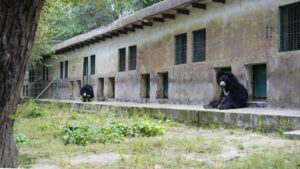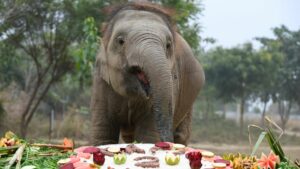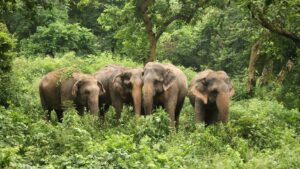
Animals carry an innocence that is hard to ignore. They ask for so little from the world – space to roam freely, food to survive, the safety of a home and in return they offer us moments of joy, wonder and play vital roles in maintaining healthy ecosystems, from dispersing seeds to engineering habitats. Their innocence is reflected in the unguarded gaze of an elephant calf, the curiosity of a sloth bear, or the effortless grace of a bird taking flight. Animals do not harm out of malice, they do not take more than they need, they do not destroy for gain. They simply live, trusting that the world will allow them to exist in peace.
But time and again, that trust is shattered. The greatest suffering animals endure today does not come from natural challenges, but from humans and our greed. In the forests we encroach upon, the temples where we use them to display our culture and traditions, the streets where we force them to beg, and the tourist spots where they are exploited, their pain is a direct consequence of our choices.
Elephants in India are among the most visible victims of this cruelty. For centuries, they have been taken from the wild, separated from their families, and subjected to harsh, punitive training to break their spirit and force obedience. Many spend decades walking blistering tar roads as ‘begging’ elephants, kept hungry indefinitely, their feet cracked and infected from constant strain. Others are painted and paraded at festivals, pushed through dense crowds under deafening noise, with bullhooks controlling even the slightest movements. Some are made to give rides to tourists, their injured backs hidden beneath heavy howdahs. Many spend their entire life in temples, chained for hours at a stretch, deprived of rest, companionship, and dignity.
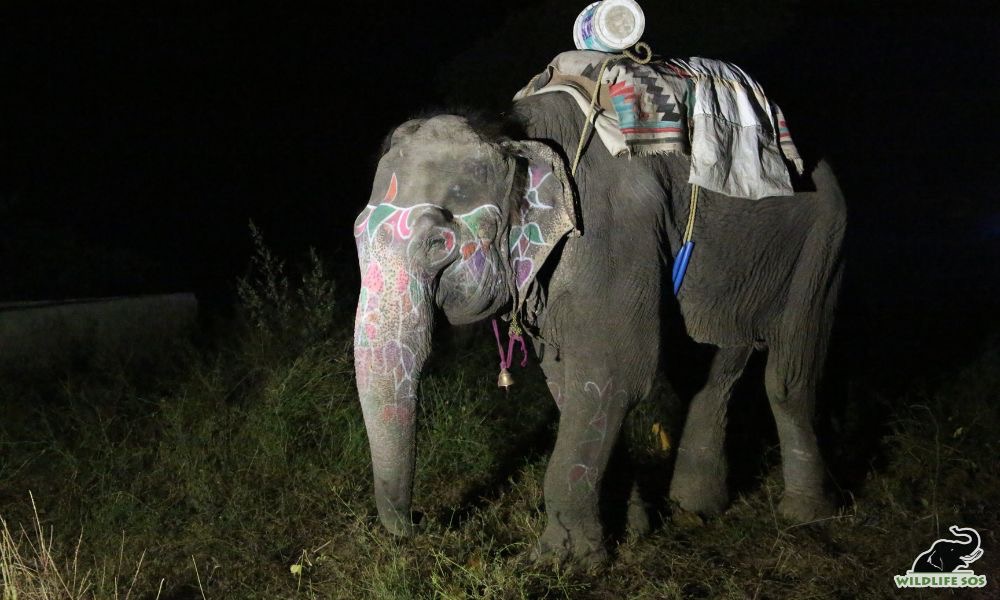
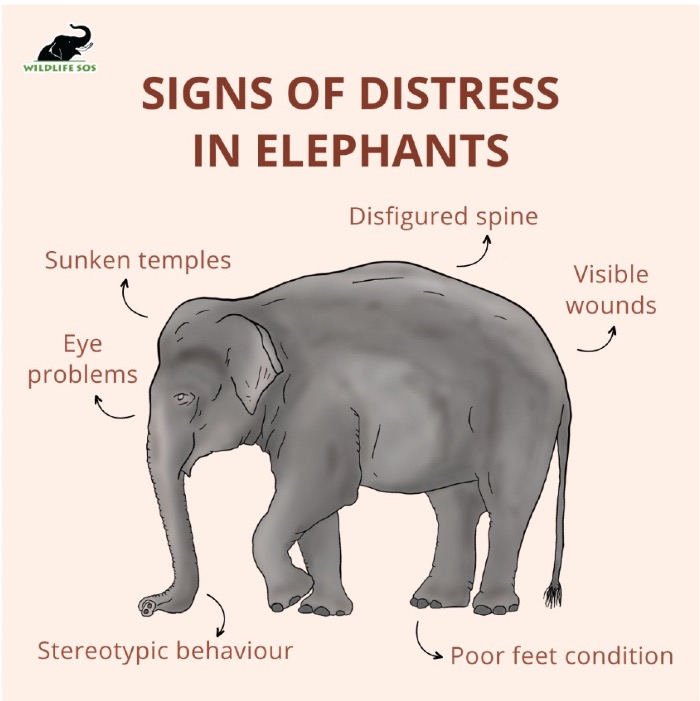
The cruelty inflicted on these gentle giants is not always loud, but it is relentless. A chain tightened on their legs, with sharp spikes slowly piercing through the skin. A bullhook struck one too many times. An ignored wound because the animal must continue to work. Over years, these physical damages become permanent: arthritis, foot rot, blindness, spinal injuries. The emotional scars, in fact, run even deeper.
It is this long, silent suffering that makes wildlife rehabilitation essential. Wildlife rehabilitation is the process of rescuing injured, exploited, or displaced animals and giving them the medical care, nutrition, safety, and behavioural support they need to heal. For many rescued species, the goal is to make them fit to be released back into the wild. But for elephants rescued from years of abuse and trauma, releasing them is a risk to their survival. These elephants have lived their lives in captivity, missing the essential guidance and guardianship of their herd. Instead of marking their presence under Mother Nature’s care, these elephants have undergone trauma and neglect.
For such animals, rehabilitation promises lifelong care, a space where they can finally reclaim safety and peace. Wildlife SOS operates India’s most advanced elephant rescue and rehabilitation centres, offering a compassionate alternative to the harsh lives these animals have known. Rehabilitation is not simply protection, it is the cornerstone of conservation. Breaking the cycle of abuse, providing long-term care, and promoting humane practices ensure that cruelty does not repeat itself.
The Challenges of Healing Lives
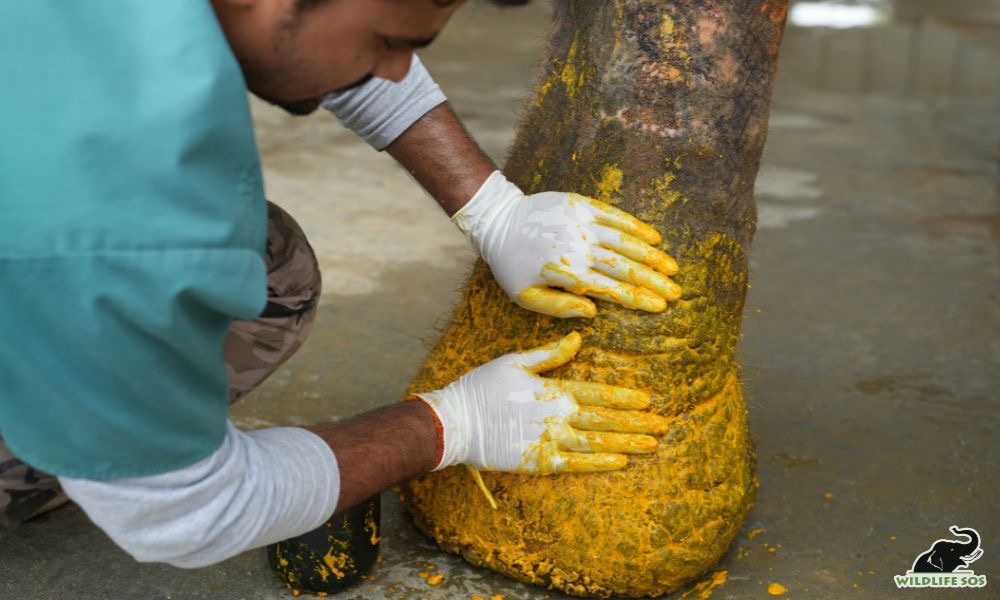
Rehabilitating elephants is a complex and deeply demanding process, yet the effort made is unquestionably rewarding. Many pachyderms arrive at the rescue centres, with life-threatening injuries: deep abscesses from spiked chains, deformed legs from decades of carrying heavy loads, chronic foot infections, malnourishment, and vision loss. Treating these requires advanced veterinary care, specialised equipment, and long-term medical intervention.
However, physical wounds, being visible, can be better observed than those that are psychological. Elephants rescued from exploitation commonly show stereotypic signs of severe psychological trauma caused by fear, anxiety, distrust, or depression. Some flinch at sudden movements, anticipating pain or are seen vigorously bobbing their head. Others hesitate to eat, unsure if availing food would come without punishment. To rehabilitate such animals, one requires patience, consistency, and immense compassion. Caregivers must gently make these highly cognitive animals understand that they are safe and that no one will hurt them. This shift from dominance-based handling to one oriented around trust and comfort is at the heart of Wildlife SOS’s approach.
There are also logistical hurdles: transporting the pachyderms from rescue sites to the centres safely, creating suitable habitats, ensuring adequate food and water, and training teams in ethical care. Changing deeply rooted cultural practices around elephant handling adds yet another layer of complexity. Yet, each step is vital for rehabilitation to truly transform lives.
How We Rebuild Trust, One Moment at a Time
Compassionate care begins the moment Wildlife SOS’s rescue team reaches an elephant in distress. For an animal that has known nothing but fear, that first encounter matters profoundly. When our team first saw Manu in Mau, Uttar Pradesh, he was wary and exhausted. Years of deprivation had taught him to relate humans with pain. A team of caregivers from Wildlife SOS patiently demonstrated kinder, safer and more compassionate ways of interacting with Manu to his mahout, instilling a sense of empathy in him. This approach is rooted in trust building rather than force. Slowly, Manu’s keeper understood the impact this could have on the elephant’s wellbeing, and even agreed to accompany the Wildlife SOS team to the Elephant Hospital Campus (EHC) for his rehabilitation, so he could continue learning and caring for Manu in a more humane and supportive manner.
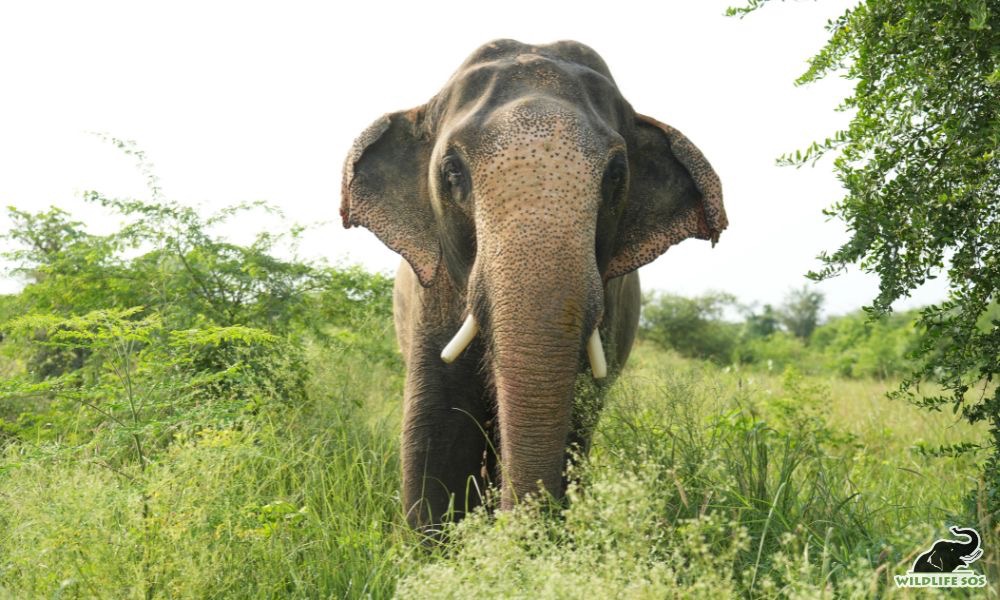
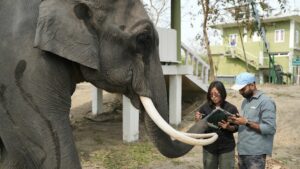
When our team came across Vayu in Assam, he was seen suffering from a deformed gait after a fracture in his front leg hadn’t healed properly. The elephant required medical care, but before addressing his physical needs, it was important to form an emotional bond of trust with him. A Wildlife SOS caregiver took the onus of offering Vayu fruits and vegetables with gentle gestures and a calming voice, letting the elephant build a sense of trust at his own pace. By the time Vayu was ready to safely begin his journey to EHC, he had already gained confidence in his caregiver. His presence made Vayu calm during his transportation, marking the first step in a new life.
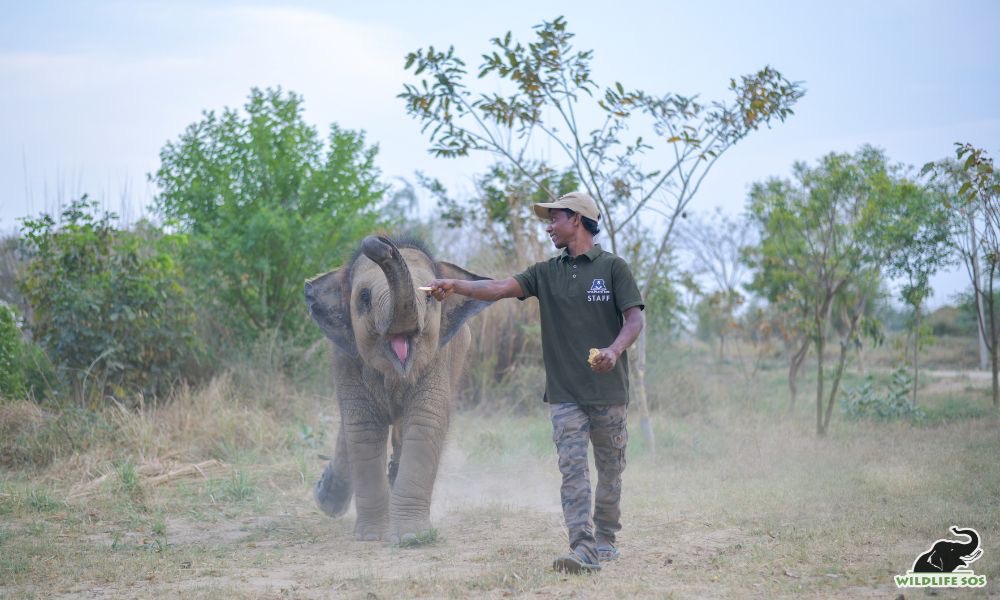
Then there was Bani, fearful and withdrawn. When she arrived as an infant left partially paralysed after experiencing a horrific train collision, even small movements around her caused anxiety. In a case so sorrowful, our caregivers took up the responsibility of Bani’s care in the same sensitive way as a family member would. Vijay Soren was one among them who would sit near her, speak softly, and offer her food by hand, creating a special place in Bani’s heart. Gaining trust did require patience, but Bani began responding to loving care by all her caregivers, and the first sign of this was when she began to relax her posture. She accepted gentle touch, and eventually, began to show joy while playing with enrichments made for her. Every ounce of her confidence today is a testament to what consistent kindness can do.
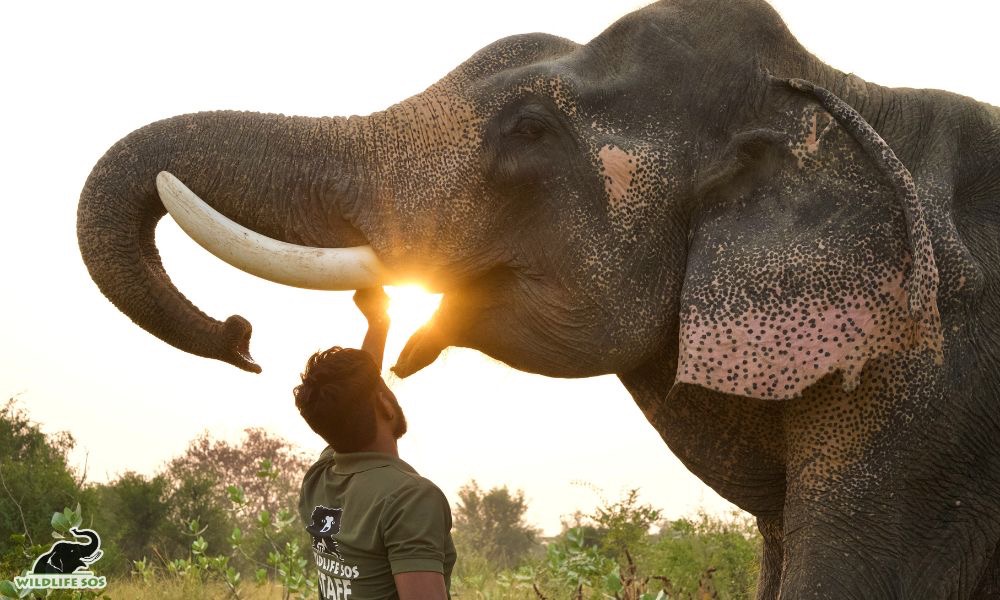
Suzy was one of the oldest elephants at Wildlife SOS, and nearly blind when she was rescued. Navigating her environment was overwhelming until she met her devoted caregiver, Babu Lal ji. He became her guide, tapping the ground softly to signal direction, speaking to her as they walked, and waiting as long as she needed. Through his patience, Suzy found stability in a world she could no longer see.
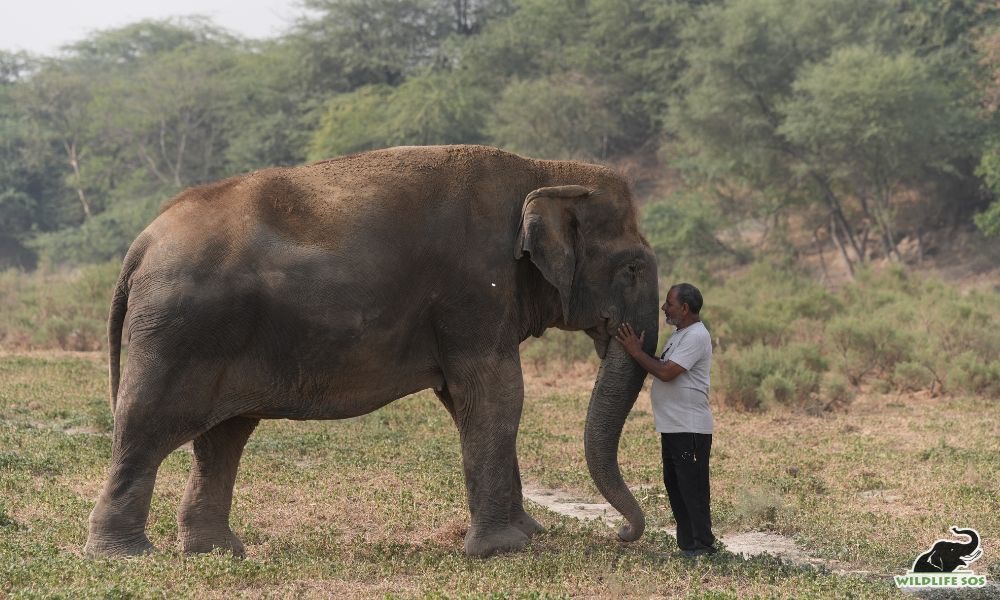
These stories remind us that rehabilitation is not only about medical treatment, it is about forming strong and steadfast relationships. It is built on respect, patience, and the promise that the violence of the past will never return. Every bite of food, every bandaged wound, every moment of gentle companionship, and every acre of protected space is made possible because these animals deserve better. Wildlife SOS is committed to ending the archaic and exploitative practice of ‘begging’ elephants in India by 2030, working to ensure that no elephant is ever again forced to walk scorching streets for alms. Through our Refuse to Ride campaign, we are also empowering people with awareness about the hidden cruelty behind elephant rides, and encouraging more humane, responsible choices from travellers and communities. You too can be part of that change and support us in helping turn years of pain into lifetimes of peace for these innocent beings.
Feature Image: Atharva Pacharne/ Wildlife SOS