On the last day of the year 2025, our team arrived in the scenic town of Sahibganj in the state of Jharkhand. We were alerted to a sloth bear which was rescued by the forest department. With unspoken concern in our hearts we wondered about the grave injustice that has happened to this yet unknown ursine.
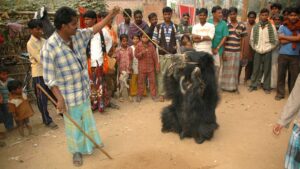
A ripple of shock went through the entire team as they entered the premises of the forest department. They saw what was last seen in the year 2009. A female sloth bear was crouched in a trap cage with a rope around her neck. Her muzzle was pierced, leading the team to believe that this was done to pass a tugging rope. All four of her canines were found to be smashed. That was the moment they knew very well that they had in fact come across a ‘dancing’ bear.
Forest officials have previously reported poaching incidents near the Indo-Nepal border, and Wildlife SOS have also rescued a few bears that were being poached across borders to facilitate this practice in our border countries, but retrieving a ‘dancing’ bear had come in as a rare rescue.
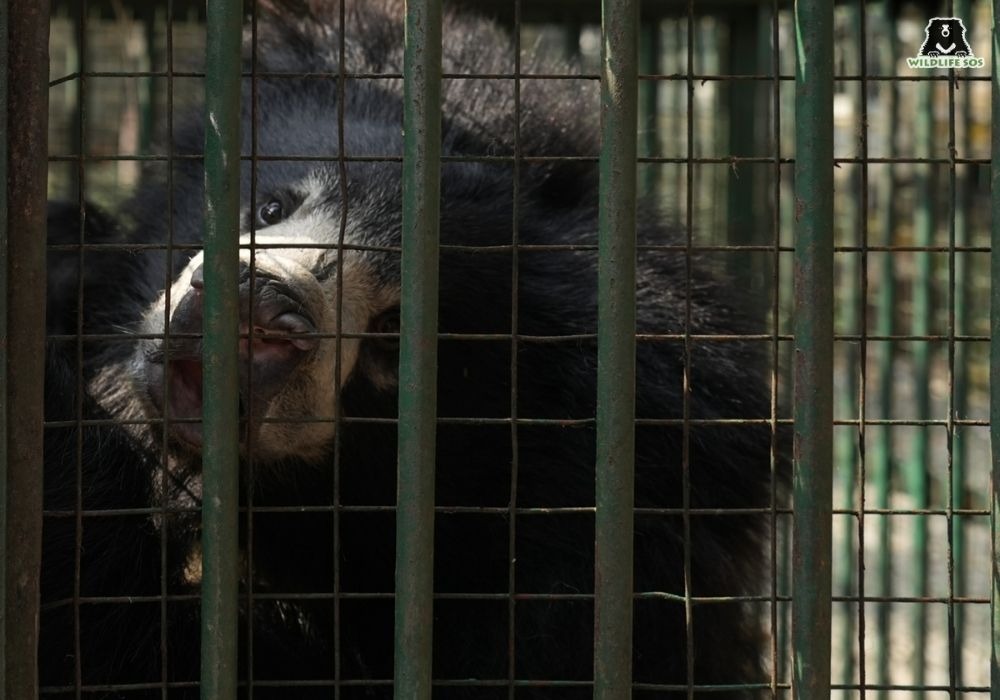
Wildlife SOS had put in committed efforts to bring an end to this gruesome practice with the rescue of over 628 sloth bears, the last of which being Raju (Adit) 17 years ago. Through years of conducting rescue operations, ensuring legal action, providing rehabilitation care to the rescued bears, and alternative opportunities for livelihood to the Kalandar community reliant on the practice, the illegal trade was brought to a halt in India. However, we kept a lookout for bears being poached, especially near the Indo-Nepal border, from where Ron, Molly and three more bears were rescued from being smuggled for this very trade in 2019.
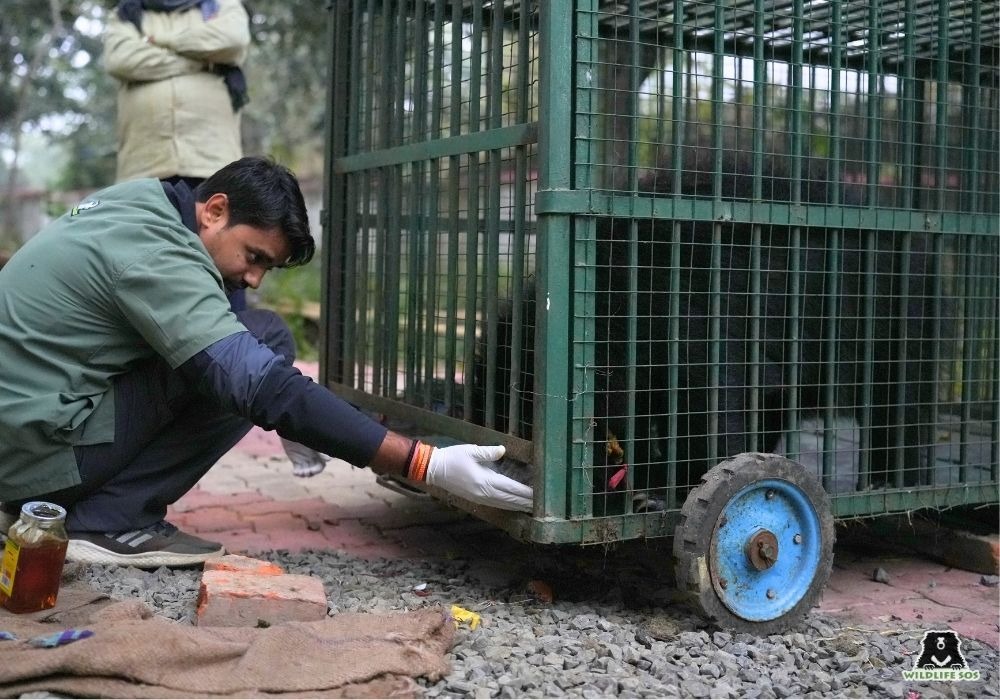
The years of experience and studying sloth bear trade closely led to the understood conclusion that the bear rescued in Jharkhand was separated from her mother at a tender age.
Without maternal guidance for survival skills, releasing the rescued bear back into the unknown wild posed a great threat to her life. Considering our expertise with rehabilitating sloth bears, the forest department of Jharkhand handed over this young sloth bear’s safe and long-term care to Wildlife SOS.
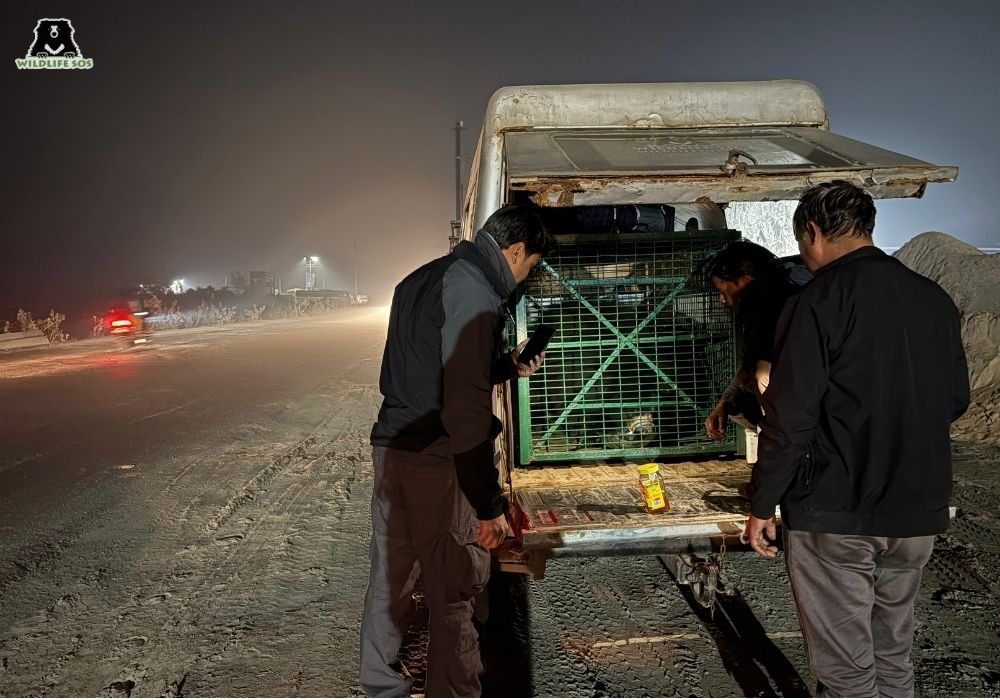
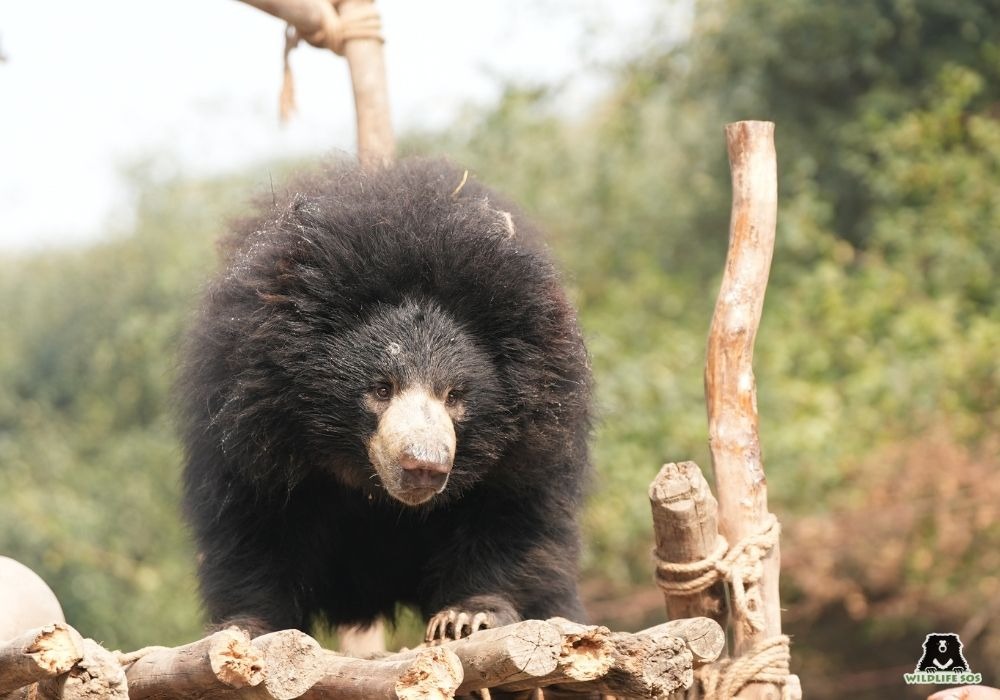
Wildlife SOS has four rehabilitation centres specifically for the care of sloth bears, the first of which being the Agra Bear Rescue Facility (ABRF) that was established in 1999 in Uttar Pradesh in collaboration with the Uttar Pradesh Forest Department,. When this bear arrived at ABRF, we helped her turn over a new leaf in her life. This new beginning came with a new name as well. She was introduced to the entire family of Wildlife SOS and our benevolent supporters as Lissy — a name in remembrance to one of Wildlife SOS’s long-time friend and supporter, Lis Key. Lis worked tirelessly with International Animal Rescue (IAR), a UK-based conservation organisation that has been instrumental in helping us end the brutal ‘dancing’ bear practice since the very beginning. Her everlasting compassion for wildlife now lives on with Lissy.
Care and Comfort
Currently, Lissy is under careful observation in a three month quarantine that is part of the rehabilitation protocol we consistently follow. This period allows the veterinary team to understand medical issues the bear is facing, conduct health assessments, and curb any possibility of infection or disease. In turn, the calm environment reduces stress levels of the rescued bear, and even gives the bear time to adjust into its surroundings and develop trust in the care being given.
Lissy was undergoing digestive discomfort and faecal inconsistency. Upon further investigation, endoparasites were detected and our team quickly provided Lissy with her first deworming dose and essential vaccinations. Medical assessments are crucial as they will serve as a bedrock for her well-being. To supplement these, our dedicated team is also monitoring Lissy’s behaviour, understanding her needs and her preferences.
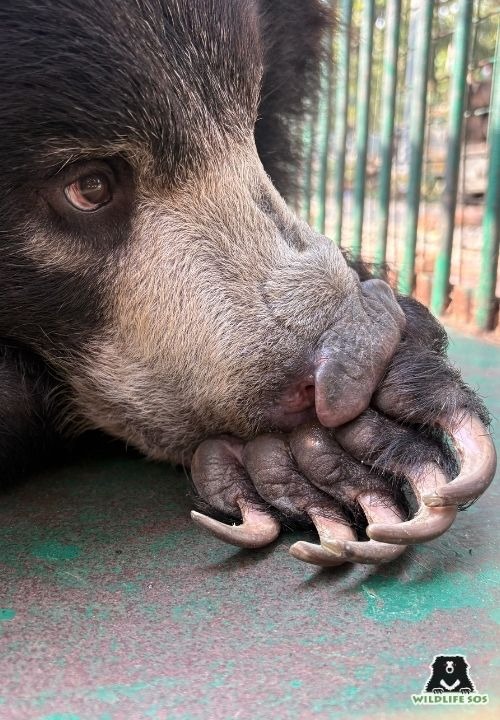
Healthy meals are an essential part of Lissy’s care. She receives multi-millet porridge blended with fresh vegetables twice a day. Vitamin and mineral supplements are mixed in her food for easy consumption. Lissy quickens her pace towards her full feeding bowl everyday. And a peculiar yet endearing habit of hers reveals itself when she lowers her head into it — Lissy likes to make bubbles with her nose while slurping her porridge!
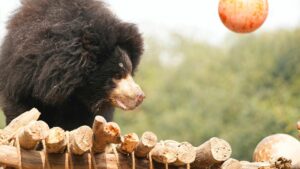
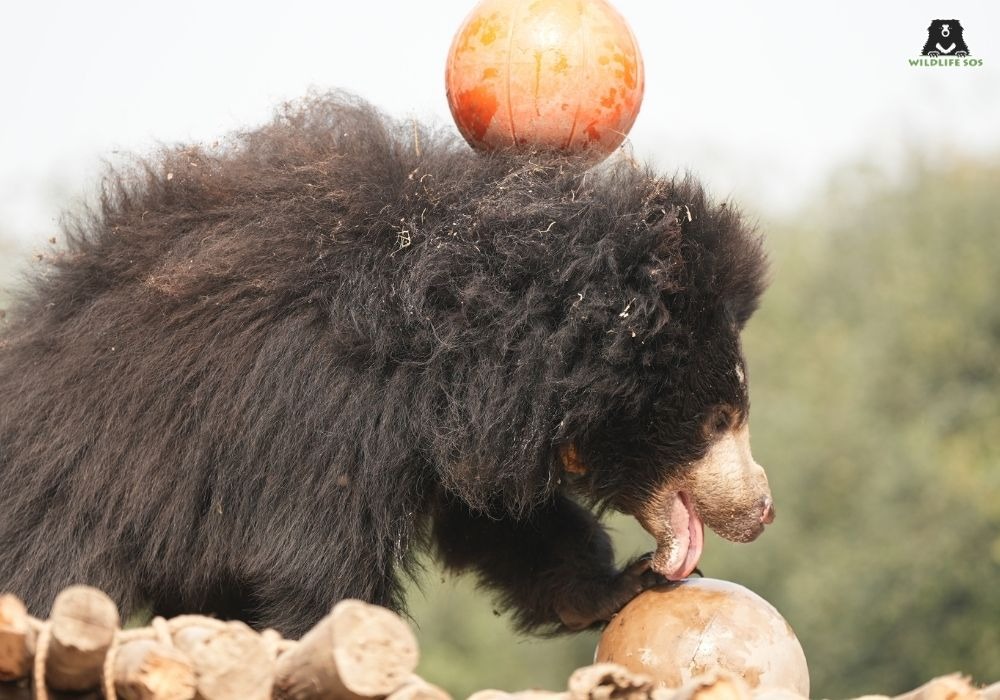
Lissy has been introduced to enrichment balls that are covered with peanut butter and filled with dates. Her fascination in exploring them each day shows how playful and enthusiastic she is. She is finally surrounded by earth, nature’s gift to sloth bears and their insectivorous appetite, and has begun to dig pits in search of ants and termites, reclaiming an inherent habit of sloth bears that had so far remained subdued.
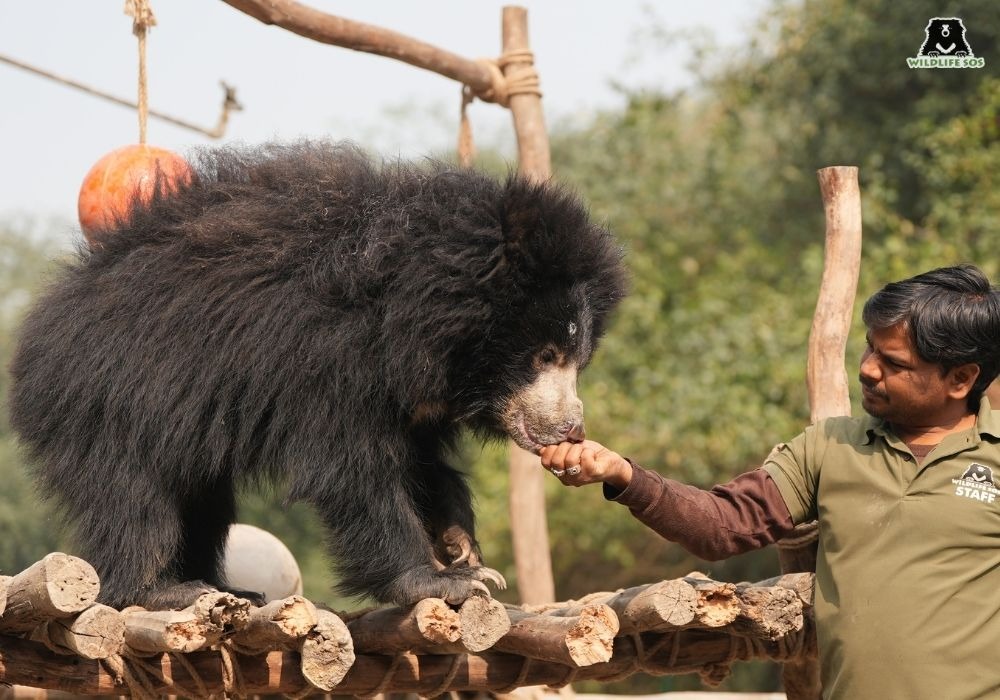
While she is a lively bear, Lissy is cautious around human beings. This comes as a natural reaction for a bear who has so far only witnessed insensitive treatment by her former captors. However, she is gradually building trust with her caregivers, and their soft interactions with her are laying out this friendly bridge. As she takes her steps forward on it, Lissy is slowly being introduced to operant conditioning as well that involves responding to cues for comfortable medical examinations. Gentle gestures are helping Lissy gain confidence in this process, which is visible in Lissy’s willingness to participate. There’s another reason behind why Lissy remains highly active during this time. She is now well aware that every session comes with a sweet, rewarding promise of receiving dollops of honey!
Join Lissy in her journey of healing by becoming a monthly donor for Wildlife SOS and stay up to date on how she is settling into her new home!
Lissy will continue to remind us of our deep and steadfast alliance with International Animal Rescue that has played a vital role in Wildlife SOS’s mission to free bears from exploitation and, preventing cubs from being poached from the wild to feed this cruel practice. Wildlife SOS has fought the injustice of the ‘dancing’ bear practice once before, and we will not hesitate to do so again. If you witness a sloth bear being abused, exploited, or forced to perform, please email us directly at info@wildlifesos.org or use this hotline for an immediate response: +91 9971699727.
Feature Image: Mradul Pathak/Wildlife SOS