When we hear about an animal rescue, we are often grateful for the safety of the wild animal. But what is often overlooked is the strategic process behind the rescue’s success story. A rescuer’s job is far from easy. Their task is also to ensure that the concerned animal must be handled very gently so that any stress or discomfort to it can be avoided.
Why Rescue Wild Animals?
Wildlife rescue is a crucial aspect of conserving biodiversity. The aim is to ensure that healthy animals found in and rescued from urban areas return to their natural habitats. In case one witnesses an animal unable to move due to an injury it has faced in the city, the first and foremost action to take is to reach out to local wildlife authorities or an animal welfare group. Another scenario requiring immediate intervention is when there is a human-wildlife conflict situation. This involves sudden, unexpected encounters of people and wild animals that can threaten the safety of both. The two instances mentioned commonly occur in urban areas. Another type of rescue is for animals that have faced habitat loss or are victims of poaching. Wildlife SOS collaborates with state forest departments to assist distressed animals found in the wild. The organisation also runs 24-hour rescue hotlines that address more than many cases of wildlife sightings in urban areas.
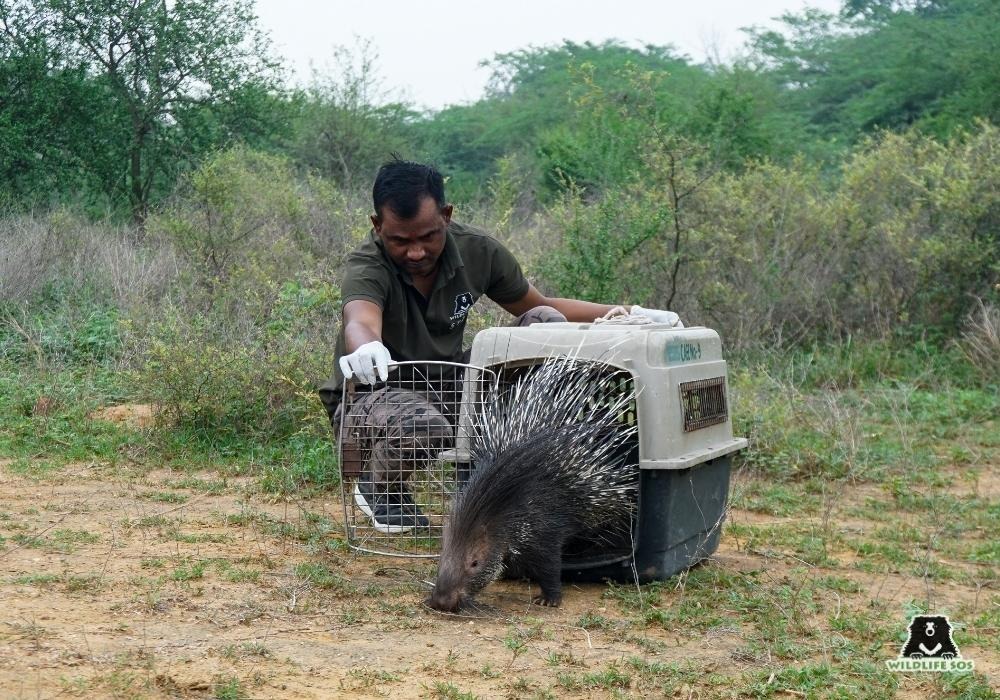
For the release of these rescued animals, it is ensured that the animal is set free in an environment that it is able to recognise. As per Wildlife SOS’s rescue protocol, the animal concerned is medically examined first, and only after it passes the health assessments, a careful release into a suitable habitat takes place.
Stress
What is stress? As humans, we often come across the word in our day to day lives and we often find ways to avoid the feeling. Our body releases hormones known as cortisol and adrenaline in stress that sparks the fight-or-flight response. In case of animals, a rescue situation is in fact one that causes them high stress. When animals are rescued, their brain releases the same hormones. Their stress is due to the situation being unnatural and unusual to them, especially when they are surrounded by human beings attempting to handle or transport them. Hence, they demonstrate similar responses referred to as flight, fight or freeze.
| Animal Response to Rescue | Description | Animal Behaviour |
| Flight | The natural urge to escape what it sees as a threat | Simply trying to escape the capture |
| Fight | The defensive instinct to confront the threat when escape is not possible | Showing teeth, hissing, biting, or scratching with claws |
| Freeze | The response of remaining motionless, either in an attempt to go unnoticed or to show caution | Becoming completely still and unresponsive |
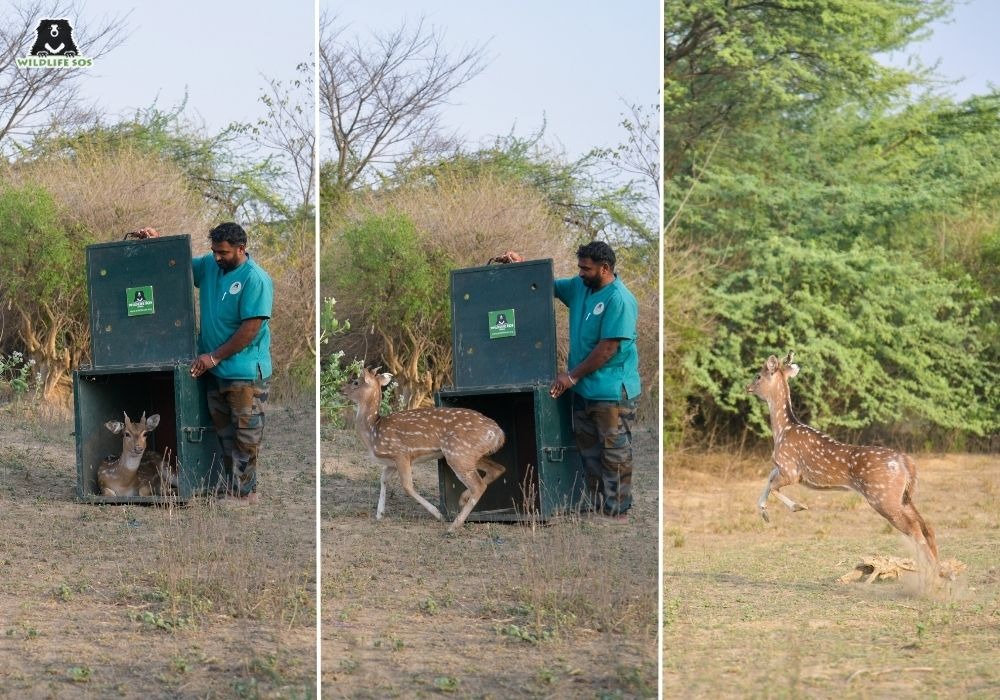
When the animal remains in flight, fight or freeze response over a long period of time, it results in a metabolic illness known as capture myopathy. This condition refers to muscle damage, stiffness, weakness or shivering that is caused by stress and physical exertion when the animal is captured, handled, or transported. The severity of this can even lead to death.
How Rescuers Manage Stress in Animals
Our ultimate goal is to save and release the animal from a stressful situation. Hence, it is extremely important to avoid capture myopathy during the rescue of animals.
Transport and Care
While translocating — moving animals from one place to another — it is in the interest of the animal to make sure the destination is reached in minimal time. This will help in reducing stress on the rescued wild animal. Since India has a tropical climate, transportation in peak summers should be done during the cool hours of the day. Frequent checks in between the journey are to be avoided, as the animals are not accustomed to human presence. Water and food should be provided if it is a long route, however, this should not be done in a moving vehicle. This may cause heaving and unnecessary discomfort for the animal.
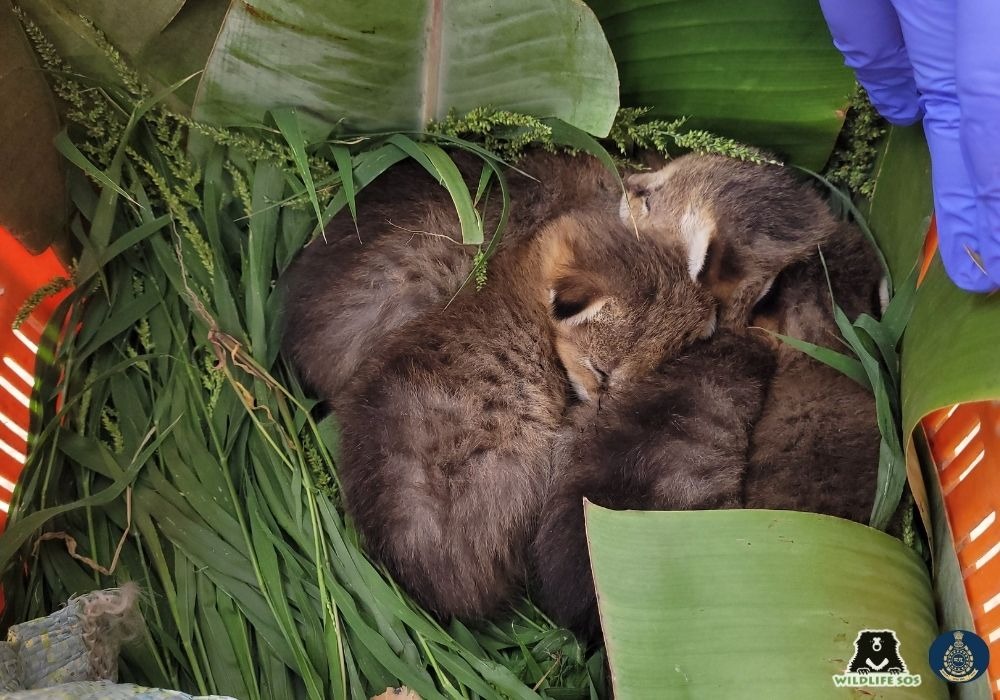
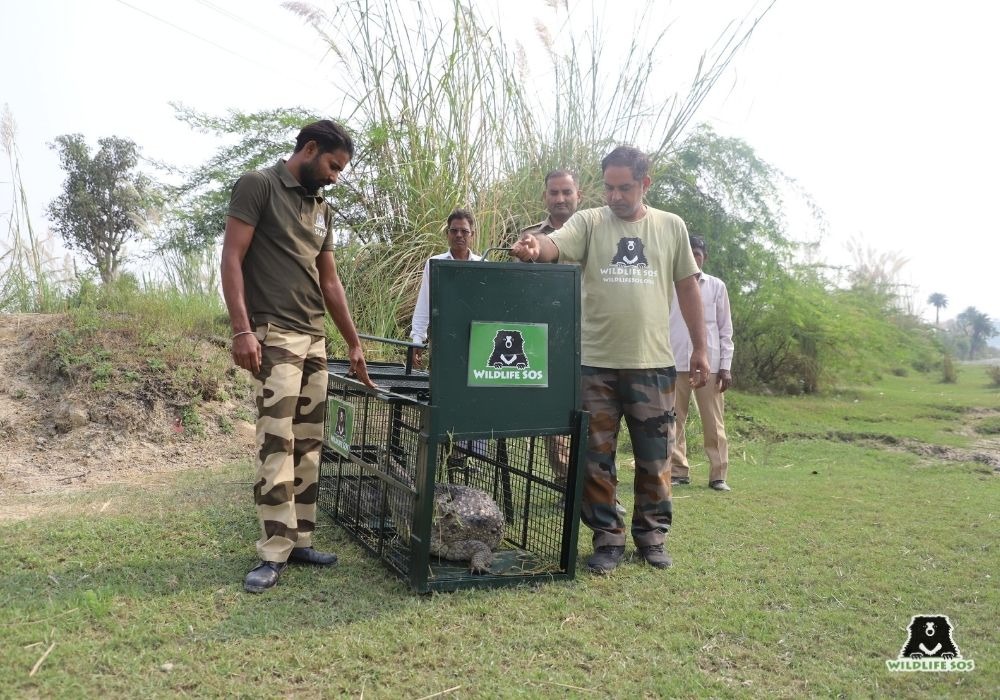
Separate modes of transport for different animal species, such as a small carrier for kittens and a mesh trap cage for crocodiles, is required to ensure each animal maintains secure and stable footing during transportation. The capture and transport unit should therefore comfort the size of the animal as well as prevent movement that can risk injury.
Minimising Stimuli
Experienced rescuers remain calm during the rescue to avoid animals going into stress. This is mainly done by reducing audio and visual stimuli for the animal. Non-invasive techniques such as covering the eyes of the relevant animal reduces its fear. Keeping the environment as quiet as possible is truly necessary, and can be achieved by cutting back on loud noises from equipment, vehicles, or unnecessary conversation amongst the rescue team.
More often than not, urban wildlife rescues involve a large gathering of people at the rescue site. This gives the rescuers another crucial task to do — to avoid the crowding of people as this not only increases panic in the animal in question, but also may act as a blockage for emergency vehicular movement that could put the rescuer and the animal at risk.
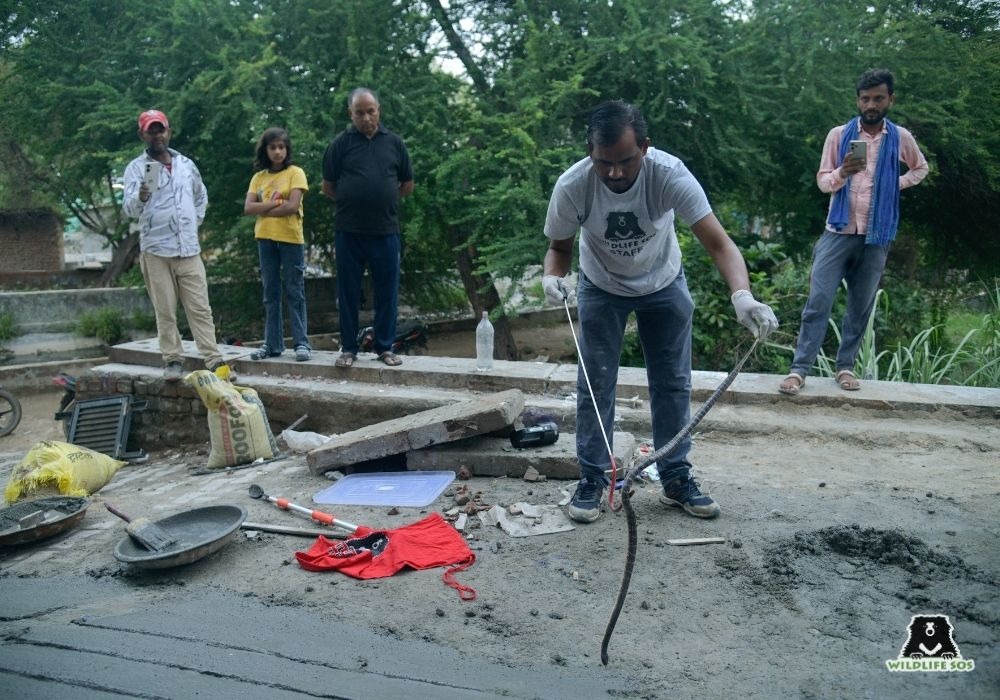
A lot of rescuers, as part of their protocol, spread awareness after the rescue to bust myths and remove any unnecessary fears from the alarmed onlookers.
In cases where rescue is the only option that can help, it is a must to call experts to handle the wild animals. Forest departments and organisations that are committed to wildlife safety are the first to be informed in such cases. If you belong to the following regions, you can reach out to Wildlife SOS’s 24×7 helpline number and alert us:
Delhi NCT: +91-9871963535
Agra, Uttar Pradesh: +91-9917109666
Vadodara, Gujarat: +91-9825011117
Srinagar, Jammu & Kashmir: +91-7006692300/ +91-9419778280
Feature Image: Kunal Malhotra/ Wildlife SOS