Have you ever wondered what happens when an entire forest decides to change its look? Imagine a vast forest transforming with the seasons, millions of leaves falling like confetti in autumn, followed by a dramatic comeback of fresh green foliage in spring. Deciduous forests are nature’s ultimate shape-shifters and home to some of India’s most iconic wildlife, from tigers and elephants to leopards and sloth bears. But they’re more than just breathtaking landscapes. Deciduous forests regulate water, store carbon, and act as natural highways for migrating animals. Let’s dive into the fascinating world of these forests and discover why Wildlife SOS is working tirelessly to protect them.
What is a Deciduous Forest?
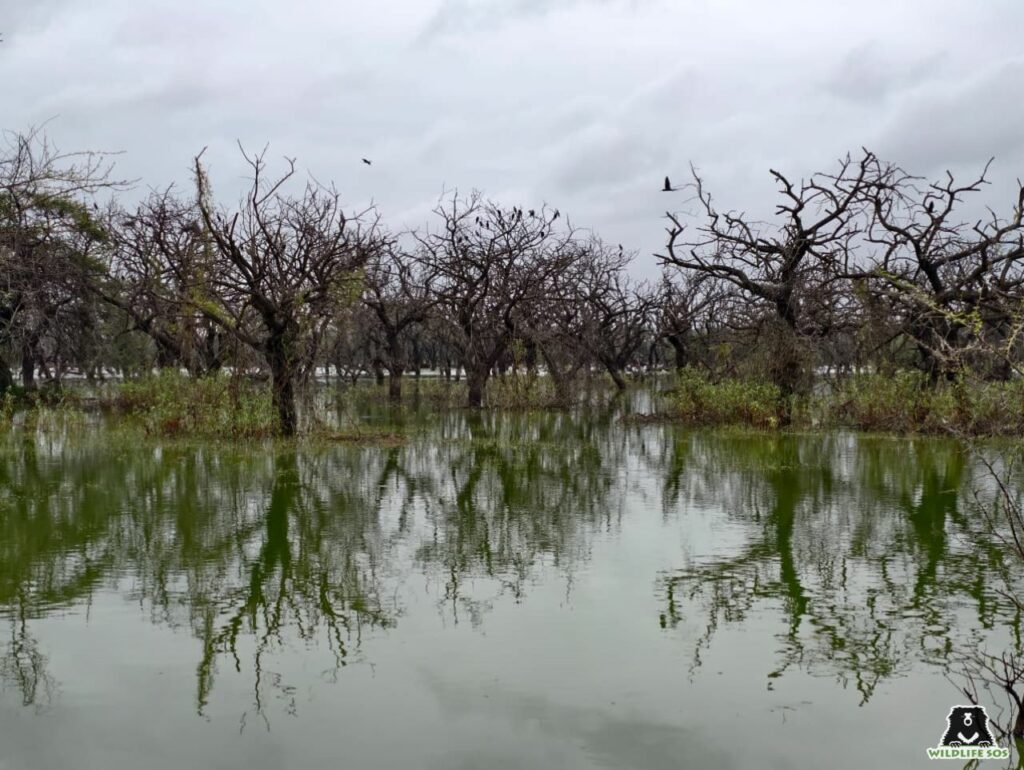
A deciduous forest is where most trees shed all their leaves during the dry months between December to February in India. They do so to conserve water and energy — almost like how certain animals slow down for the cold season. This ability gives these forests their dramatic seasonal transformations: bare and brown in drier months, lush and green in monsoons. Deciduous forests are found primarily in three latitudinal regions across the world that are defined by temperate climate: Asia, Eurasia and North America. These ecosystems are some of the most colourful and wildlife-rich ones on Earth.
In India, we have two main types of deciduous forests: moist deciduous forests that receive 100–200 cm of rainfall, have a high annual humidity, and host species like teak, sal, sandalwood, shisham, and bamboo; and dry deciduous forests, which receive rainfall only up to 100 cm and support hardy species such as acacia, chir pine, and terminalia anogeissiana (dhaura).
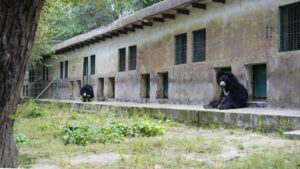
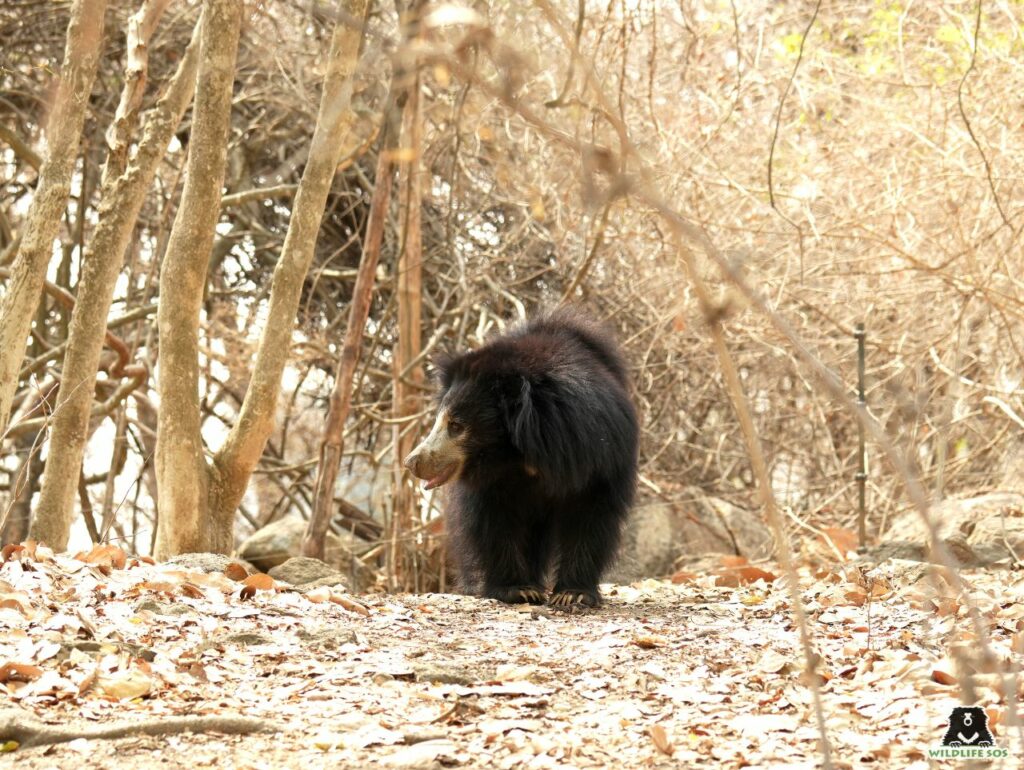
Sloth bears and elephants are two of the most iconic residents of India’s deciduous forests, both depending on these habitats for survival. Sloth bears thrive in dry and moist deciduous forests, thanks to their abundance of fruit-bearing trees, termite mounds, and rocky caves that provide both food and shelter.
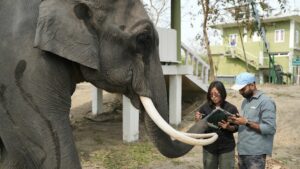
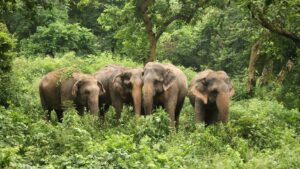
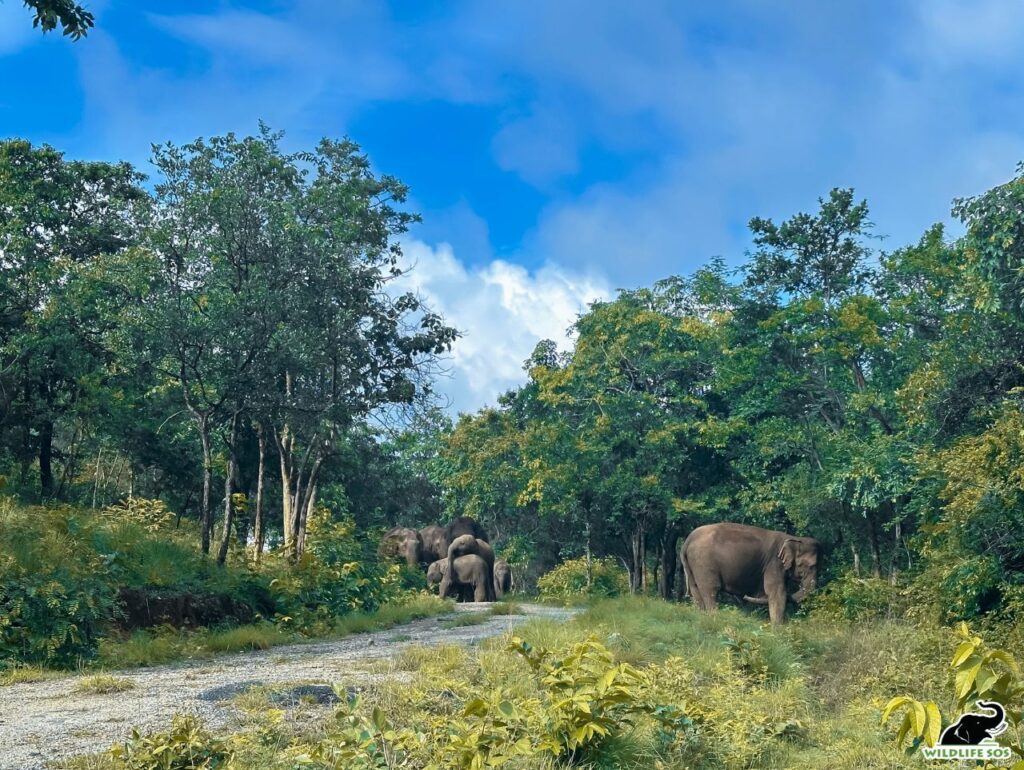
Elephants rely on both dry and moist deciduous forests as vital migration corridors, moving through them seasonally as food and water availability shifts. However, with habitat changes along the age-old migration route, elephants now find their paths fragmented or converted into agricultural fields next to villages. The rising number of reports of human-elephant conflict from Chhattisgarh exemplified how deciduous landscapes are home to elephants, and therefore, the human-inhabited areas close to them are prone to sudden encounters.
Carbon Control Champions
Deciduous forests are nature’s tireless engineers, working 24/7 to keep its ecosystem alive and balanced. These forests behave like massive carbon vacuums, absorbing a significant amount of carbon dioxide (CO₂) and removing greenhouse gas emissions that are rampant due to human activities. The leaves the trees shed prevent chances of soil erosion, and enrich it with carbon and nitrogen — nutrients that keep it healthy. Indian deciduous trees are ecological boons, producing substantial oxygen vital for life. A mature teak tree can generate around 17 litres of oxygen per hour during peak photosynthesis, and 1,000 teak trees over 1 hectare of land can supply oxygen for 24 people per day! They’re quietly sustaining the air we breathe, and underscoring their critical role in maintaining the balance of India’s forest ecosystems.
A Self-Sustaining Habitat
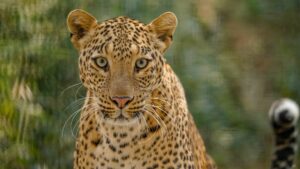
Step inside a deciduous forest, and you’ll find a bustling multi-storied complex for wild life. Birds nest in high branches, deer graze in the undergrowth, and a single oak tree can host up to 350 species of insects. These forests are also created as wildlife corridors in India, allowing tigers, leopards, and elephants to migrate safely between territories and habitats. Deciduous trees play an equally critical hydrological role to sustain the forest: they allow the water to reach deep into the soil, have the ability to draw substantial amounts of it to be used for photosynthesis, and release the water as vapour into the air. When the leaves shed, the trees ensure that the water it has stored is channeled to streams, maintaining the flow of the ecosystem.
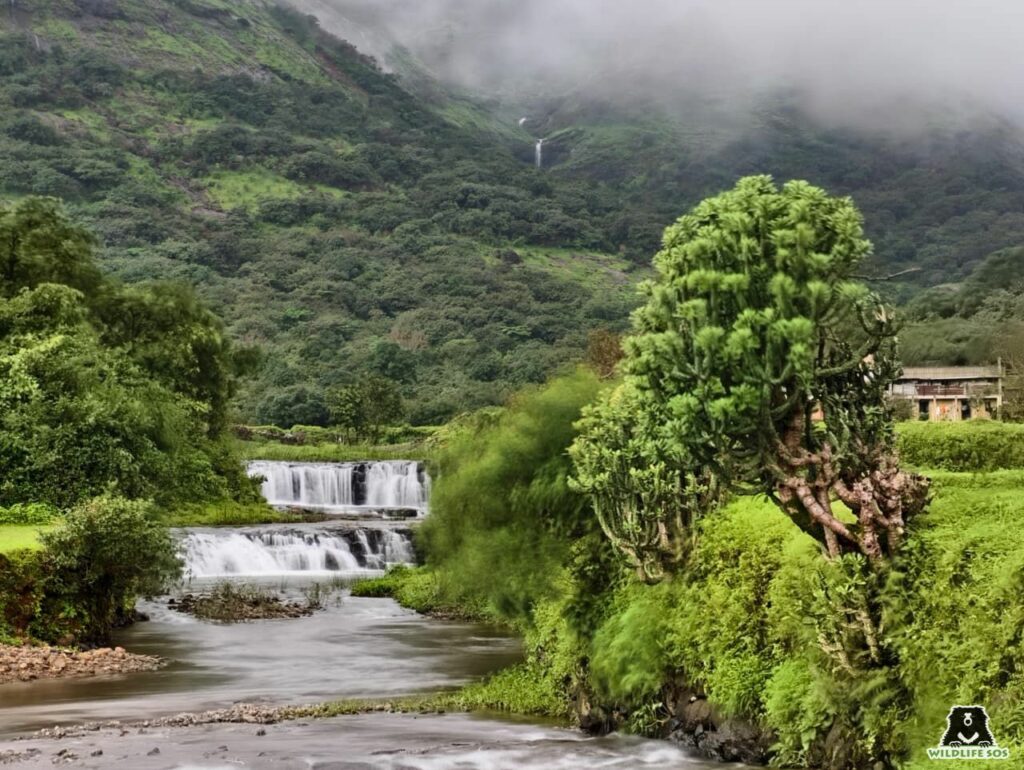
Deciduous forests therefore act as catchments. A study was conducted in Karnataka to understand the water balance in a simulated watershed within a dry deciduous forest. It revealed that trees could take in large amounts of water from deep layers of loose soil that covers the bedrock. The experiment showed that an average of 1090 mm rainfall was received there per year, of which roughly 900 mm was returned to the atmosphere via evapotranspiration, a combined process of evaporation and transpiration. This demonstrated that deciduous forests can significantly stabilise water balance to sustain both streamflow and groundwater in semi-arid climate.
Deciduous Forest Conservation
Wildlife SOS’s sloth bear denning research in the deciduous forests of Karnataka is a landmark example of how focused wildlife studies can yield broad ecosystem benefits. Over 500 resting dens and 42 maternal dens across the Daroji Sanctuary and other forest divisions were mapped using camera traps and detailed fieldwork to precisely document how sloth bears depend on the caves, boulder outcrops, and cover of dry deciduous forest for breeding and survival. By identifying these critical denning sites, Wildlife SOS highlighted which forest patches and corridors are genuinely essential for the species’ future, work that directly underpins efforts to reconnect fragmented landscapes and prioritise forest restoration in the region.
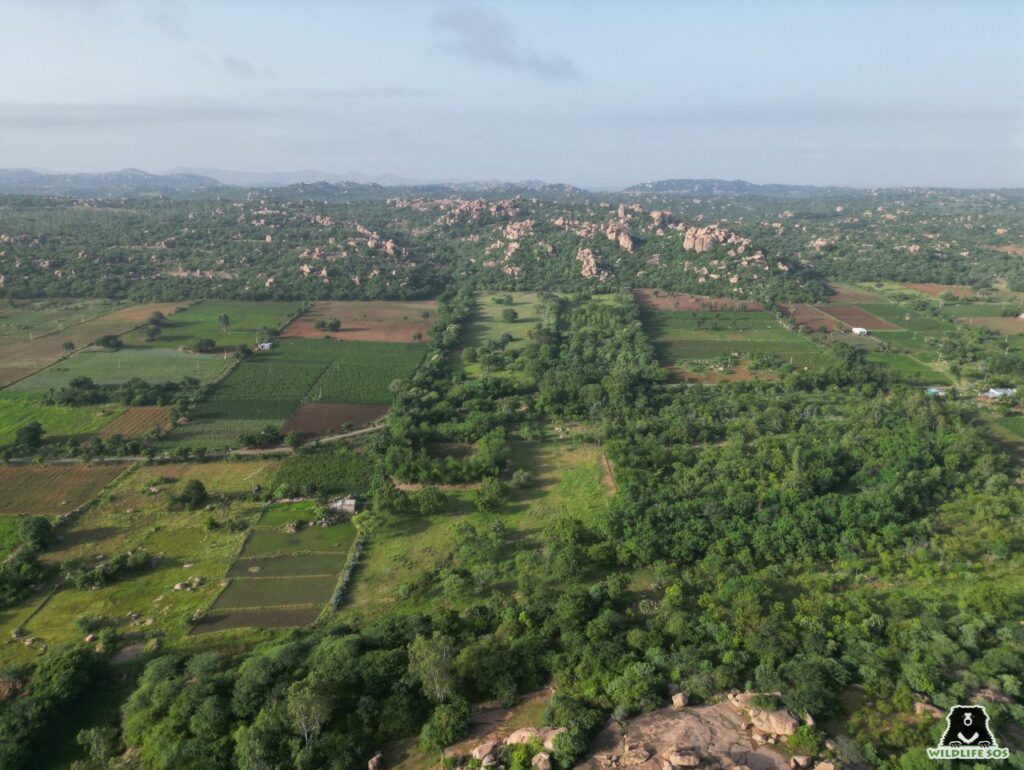
Parallel to this, the habitat conservation work at Ramdurga has involved rewilding of over 50 acres of degraded land by planting more than 10,000 native saplings, specifically chosen for their importance to sloth bears and other native species. A 12-km stretch here serves as a wildlife corridor, reestablishing migration routes for elephants, leopards, sloth bears, and more. Wildlife SOS radio-collared seven wild sloth bears in Daroji National Park and Gudekote National Park, and data of their movement confirmed the regular use of this wildlife corridor that was laden with the very fruit trees they feed on. The initiatives protects diverse wildlife reliant on deciduous forest trees for survival.
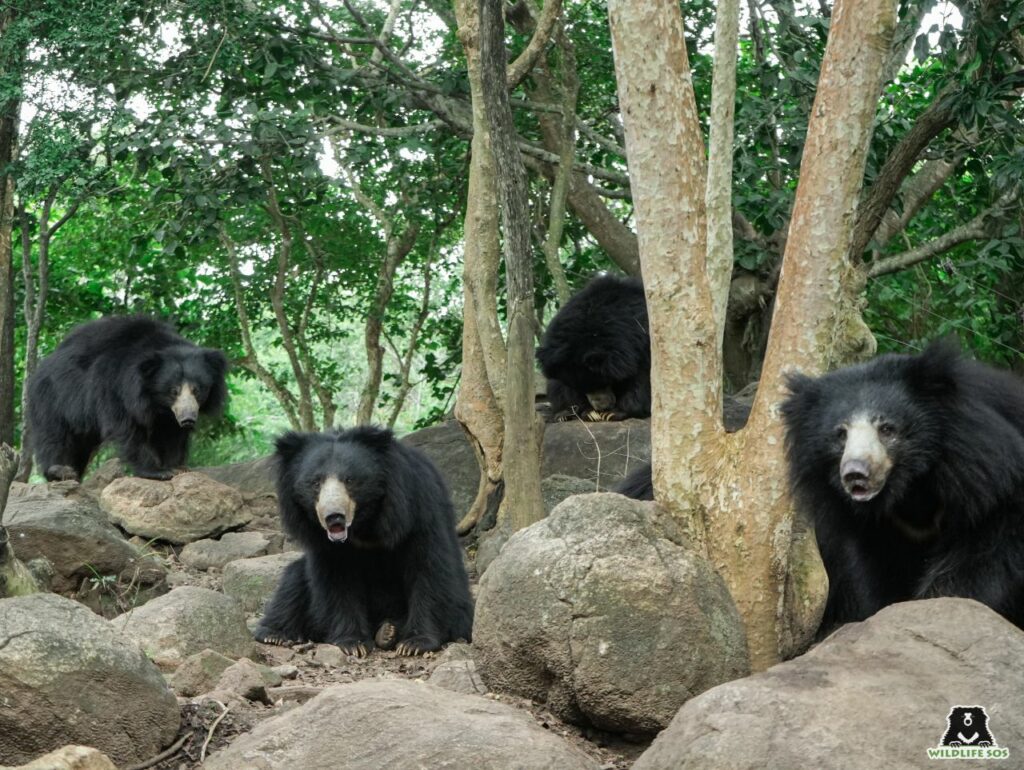
Complementing these large-scale plantings, Wildlife SOS also holds seed ball making workshops that mobilise corporate volunteers and village youth to scatter thousands of seed balls containing seeds of golden shower, tamarind, and amla (Indian gooseberry) — all that would grow and become deciduous trees — across forest buffers. Through the efforts of creating wildlife corridors, reforestation of potential habitats with native trees, reviving population of species, and sowing seeds through seed balls, Wildlife SOS is breathing new life into India’s deciduous forests, ensuring they flourish as vibrant ecosystems that sustain our wildlife and safeguard our planet’s future.
If this journey through the magic of deciduous forests has inspired you, support our efforts to restore and protect crucial habitats by making a donation today.
Feature Image © Akash Dolas/ Wildlife SOS