We often hear people say a species is “threatened” or “endangered”, but do we really know what these words mean? Sometimes we use the word as an emotional shorthand, without understanding the scientific criteria behind it. What criteria does a species need to meet to say that it is in danger? Why do some belong to these categories while others do not? The IUCN Red List doesn’t simply create such labels. The process is grounded in science, indicating the likelihood of species facing a high risk of extinction, and more crucially, why.
The International Union for Conservation of Nature (IUCN) maintains the Red List of Threatened Species, which offers a strict, evidence-based framework for identifying which species are most at risk, why they are at risk, and the severity of the situation. Each Red List category conveys particular threats and urgency, and is considered extremely reliable in highlighting the need for assistance.
Comprehending the IUCN Red List
Fundamentally, the IUCN Red List is a widely recognised system that groups species based on their likelihood of going extinct. It includes nine categories, which are determined by quantitative standards.
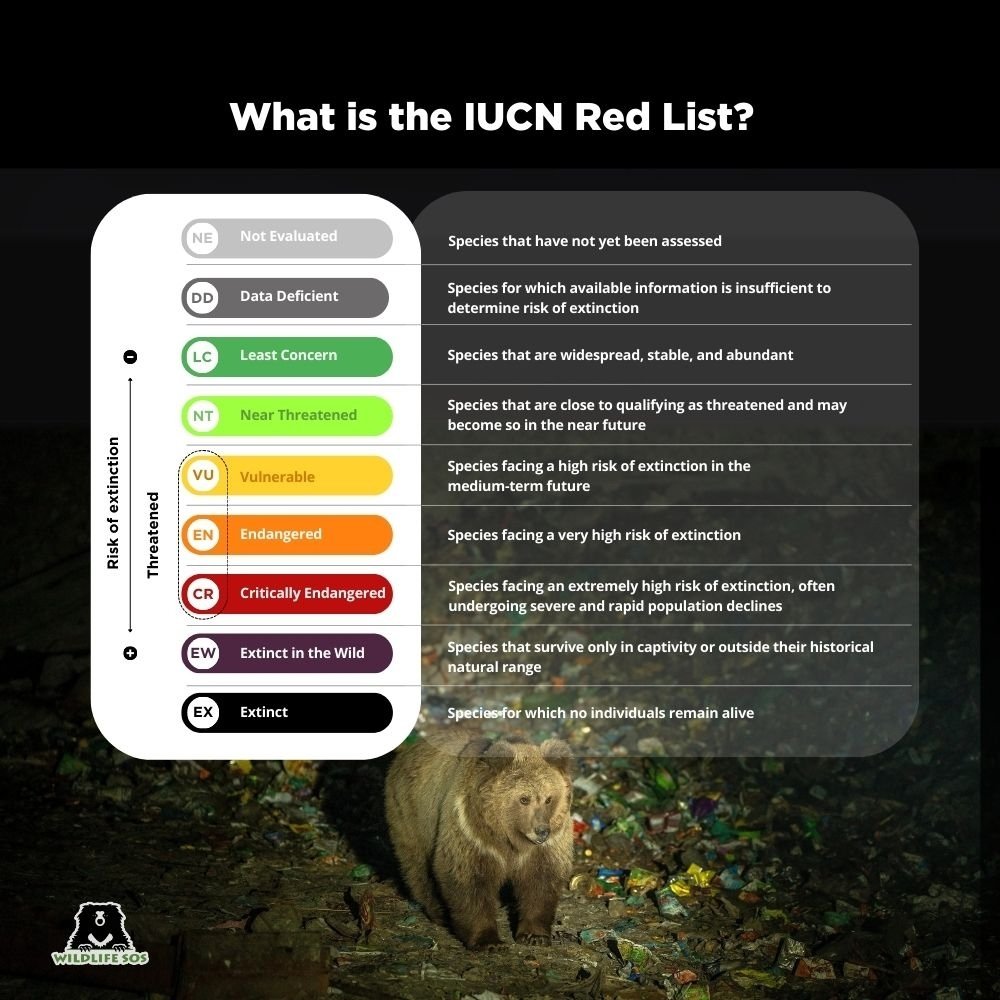
Importantly, species in Vulnerable, Endangered, and Critically Endangered categories are collectively described as “threatened”. [Infographic © Wildlife SOS/ Harsh Vardhan]
How Does IUCN Decide These Categories?
The IUCN assessors use five quantitative criteria to estimate the risk a species is facing. These include:
- The rate of population decline
- The geographic range (how widespread the species is)
- The population size (especially the number of mature individuals)
- Whether the species is very restricted or fragmented
- Extinction probability estimated by quantitative models
IUCN considers 10 years or three generations of the species, whichever happens to be longer, to assess population decline. For instance, mammals known to reach maturity early and reproduce have shorter time between generations, and are therefore measured in the 10-year category. A species is considered Critically Endangered (CR) if its numbers have declined by over 80–90% in the last 10 years (or three generations), or has fewer than 50 mature individuals, or has a tiny, fragmented range.
Similarly, a species may be classified as Endangered (EN) if its decline is 50–70% over 10 years (or three generations) or it has fewer than 250 mature individuals in the wild.Meanwhile, Vulnerable (VU) species might show a 30–50% decline or have fewer than 1,000 mature individuals. Because the system is evidence-based, these labels carry real weight, and they are periodically re-evaluated as new data arrives.
Understanding the Red List is more than an academic exercise. Behind every number of threatened categories are lives, stories, and urgent conservation needs. When a species is listed as Endangered or Critically Endangered, it needs to be considered as an alarming signal that if no immediate and sustained action is taken, we could lose that species forever. The Red List is a tool for guiding conservation priorities for governments, NGOs, scientists, and communities.
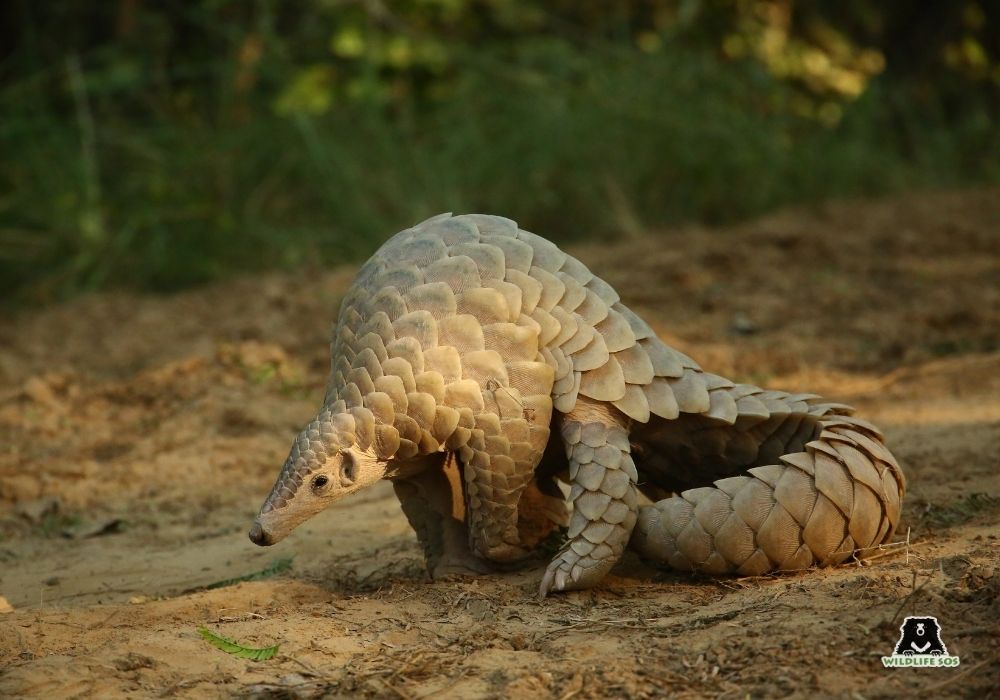
The pangolin is the most trafficked mammal in the world, making the Indian pangolin and the Chinese pangolin, the two found in India, being listed under Endangered and Critically Endangered categories under the IUCN Red List. [Photo © Wildlife SOS]
For species that are already in danger, this urgency is particularly acute. Indian pangolins and Indian star tortoises are examples of Endangered and Vulnerable species as per IUCN, and Wildlife SOS has been working towards conserving these species. It rescues individuals from the illegal wildlife trade, seizes live animals and body parts obtained through poaching, and assists law enforcement in disrupting trafficking networks.
When Science Meets Action
Wildlife SOS is a prominent wildlife conservation organisation in India, and its work highlights how Red List categories translate into real, on-the-ground rescue and protection of species.
Take sloth bears. Classified as Vulnerable on the IUCN Red List, this species is endemic to South Asia and faces mounting threats across its range. In fact, sloth bears are already considered locally extinct in Bangladesh. Wildlife SOS has rescued over 620 sloth bears previously forced into the ‘dancing’ bear trade, rehabilitating them at Wildlife SOS’s four centres, Agra Bear Rescue Facility (ABRF), Bannerughatta Bear Rescue Centre (BBRC), Van Vihar Bear Rescue Facility (VVBRF) and West Bengal Bear Rescue Centre (WBRC). Wildlife SOS even hosted the first-ever meeting of the IUCN Sloth Bear Expert Team in India, bringing together conservation scientists to strategise on securing the species’ future.
While the illegal ‘dancing’ bear trade has been curtailed, a rising number of sloth bears today find themselves facing threats such as snare traps and habitat loss. While injured bears are rescued and medically treated by the experts at the centres, Wildlife SOS has restored sloth bear habitat under its habitat conservation project in Karnataka, helping its wild population to return and prosper.
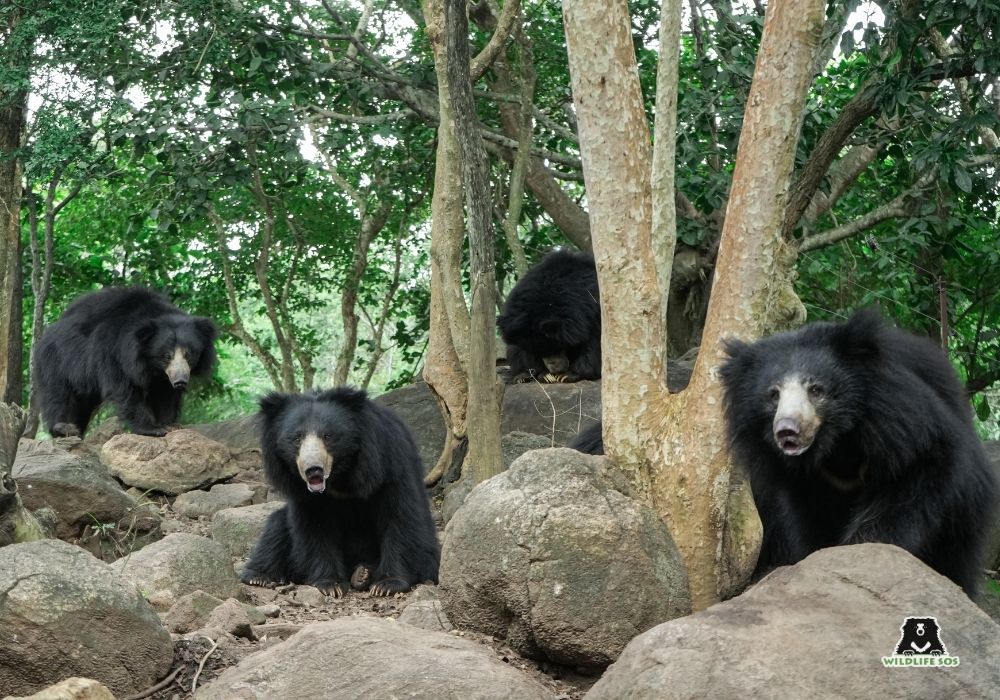
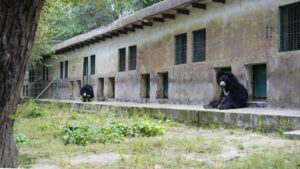
Rescued sloth bears are rehabilitated at Wildlife SOS’s Bannerughatta Bear Rescue Centre (BBRC). [Photo © Wildlife SOS/ Hemanta Chakma]
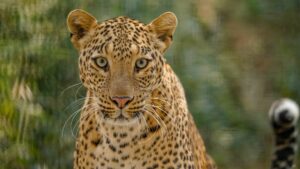
Then there are the leopards, currently facing serious threats across their range such as habitat loss, prey depletion, poaching, and human–leopard conflict. While the species is listed as Vulnerable on the IUCN Red List, the first assessment of the Indian leopard (Panthera pardus fusca) by IUCN in 2022 brought this subspecies to the Near Threatened category, with a suspected population decline of nearly 25% over the last three generations. The startling results highlight pressures like illegal trade, along with habitat loss and lack of prey, which are leading to retaliatory encounters with humans when the mammal hunts livestock for survival.
Wildlife SOS is performing leopard conservation through the Manikdoh Leopard Rescue Centre (MLRC) in collaboration with the Maharashtra Forest Department. In the state, leopards are facing concrete, life-threatening risks, one of which is the presence of open wells that invite deadly hazards. Those accidentally falling into these gaping holes during their nocturnal hunts had their lives hanging by a thread. Having rescued several from such distress, Wildlife SOS identified those at the most risk and has launched a project comprising advanced techniques to cover these open wells. Invasion of agricultural fields into forested land is also creating stress on their population in Maharashtra. Several cubs are now being hidden under tall sugarcane stalks when the mother heads out to prey. Wildlife SOS has been repeatedly reuniting lost cubs with their mothers to ensure their survival and preserve their population in the wild.
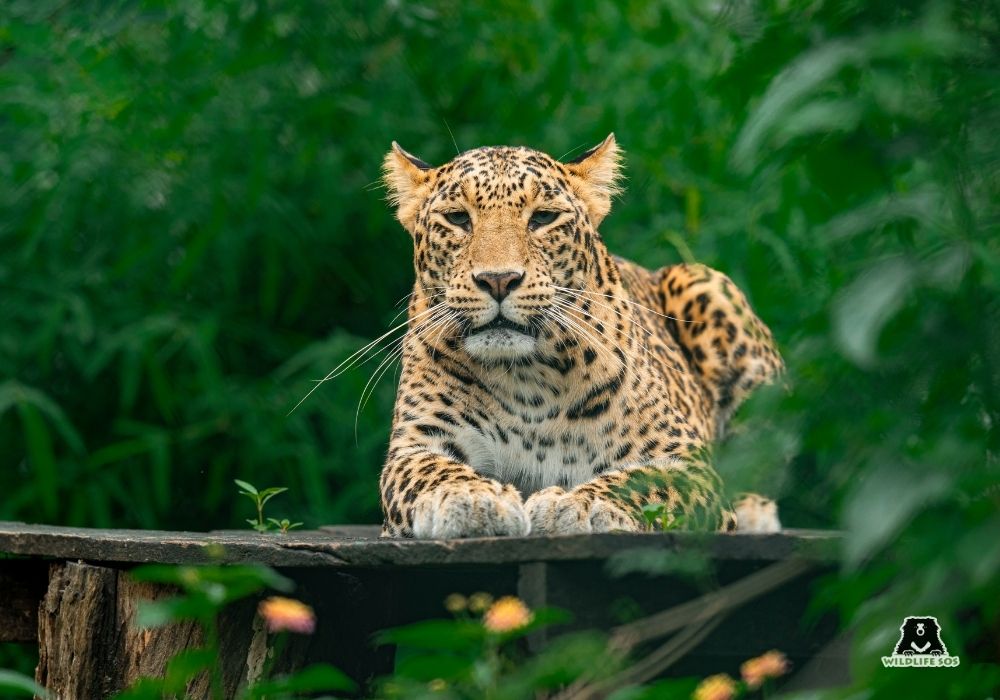
Leopard Lila, rescued from a situation of human-wildlife conflict, has found a safe residence at Wildlife SOS’s Manikdoh Leopard Rescue Centre (MLRC). [Photo © Wildlife SOS/ Akash Dolas]
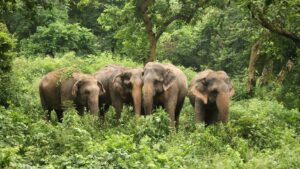
And of course, elephants are one of the most iconic species threatened in India. Asian elephants are listed as Endangered on the IUCN Red List. In India, the fragmentation of traditional elephant migration routes by expanding agricultural fields, roads, and railway tracks has forced herds into human-dominated landscapes, resulting in dire consequences for both people and elephants, including accidents, crop loss, and conflict-related injuries.
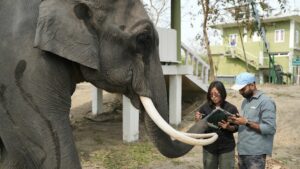
Wildlife SOS works extensively with injured, abused, and captive elephants, many of whom arrive with chronic medical conditions such as foot injuries, blindness, and long-term trauma. Through rescues, long-term veterinary care, and protected living spaces like the Elephant Conservation and Care Centre (ECCC) and the Elephant Hospital Campus (EHC), India’s first dedicated elephant hospital, the organisation translates science-based conservation into daily action. Its efforts extend beyond individual care to addressing larger threats facing Asian elephants, including habitat loss, conflict, and exploitation; in Chhattisgarh, Wildlife SOS radio-collared the matriarch of an elephant herd to track movement patterns, reduce human–elephant conflict, and prevent retaliatory attacks through community sensitisation and cooperation. Following the rescue of Bani, a paralysed baby elephant injured in a train accident and the first calf the organisation committed to care for long-term, Wildlife SOS also launched a national petition to address rail collisions as this is a grave and growing threat to elephant populations. To prevent brutality in captivity, the organisation propagates the Refuse to Ride movement and has pledged to rescue all ‘begging’ elephants in India by 2030, while its Haathi Sewa mobile veterinary service continues to deliver emergency medical aid, on-ground treatment, and outreach in remote landscapes.
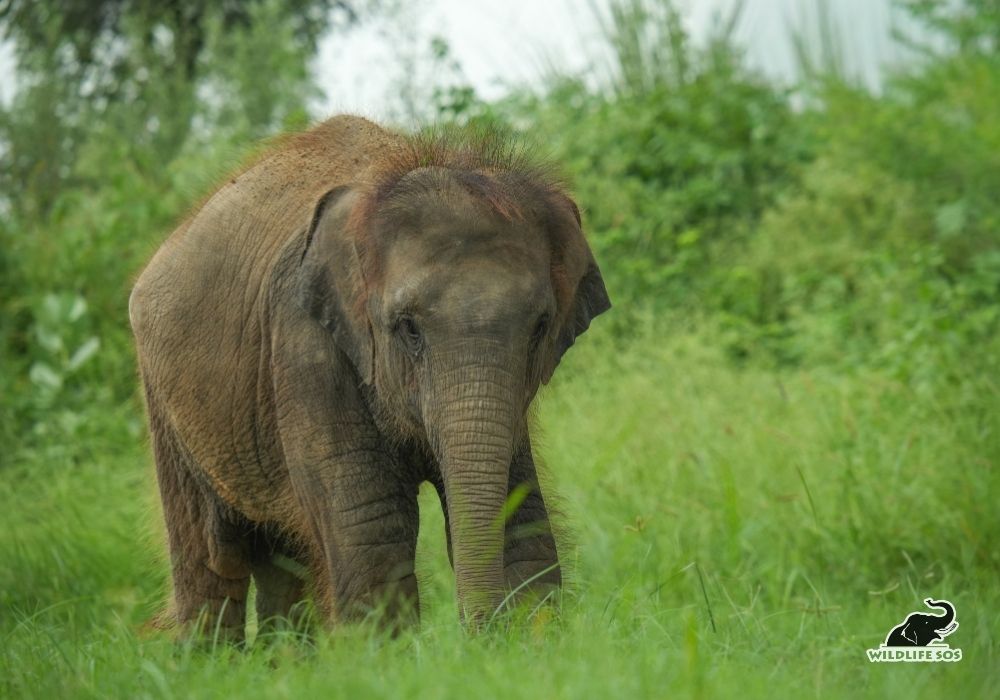
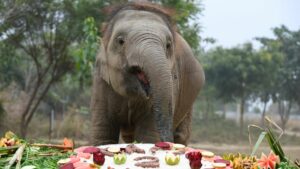
Bani is an elephant calf who was rescued after a horrific train collision left her paralysed, and with professional medical care at the Elephant Hospital Campus (EHC) of Wildlife SOS, she is regaining her ability to walk. [Photo © Wildlife SOS/ Vineet Singh]
What the IUCN Red List gives us is a global compass, a way to recognise species that need urgent help. But that compass on its own can feel distant, a number on a spreadsheet, a name on a website. Wildlife SOS considers data from this tool as a call to action in Indian landscapes, promoting the urgency of wildlife conservation as conservationists, as rescuers, and through awareness.
When Wildlife SOS rescues a leopard cub or rehabilitates a sloth bear, they are responding not just to a local emergency, but they are also practising conservation of species that are threatened in the Red List. Their efforts are focussed to protect species and their habitat by also sharing knowledge with communities that reside close to forests.
A Call to Coexist
The IUCN Red List is a mirror. It reflects the fragility of life on Earth, shaped by human actions, habitat loss, poaching, and conflict. But it’s also a map, one that shows where efforts must go, where urgency lies. And organisations like Wildlife SOS don’t just read that map, they act on it. Through extensive field research and long-term monitoring, Wildlife SOS has gathered critical data on sloth bears, a species that has historically been understudied. Through patient, in-depth studies, we have come to understand and share their behaviour patterns and movement in the wild. These investigations help to fill knowledge gaps as we share critical knowledge that can inform conservation strategies to support the species currently under IUCN’s Vulnerable category.
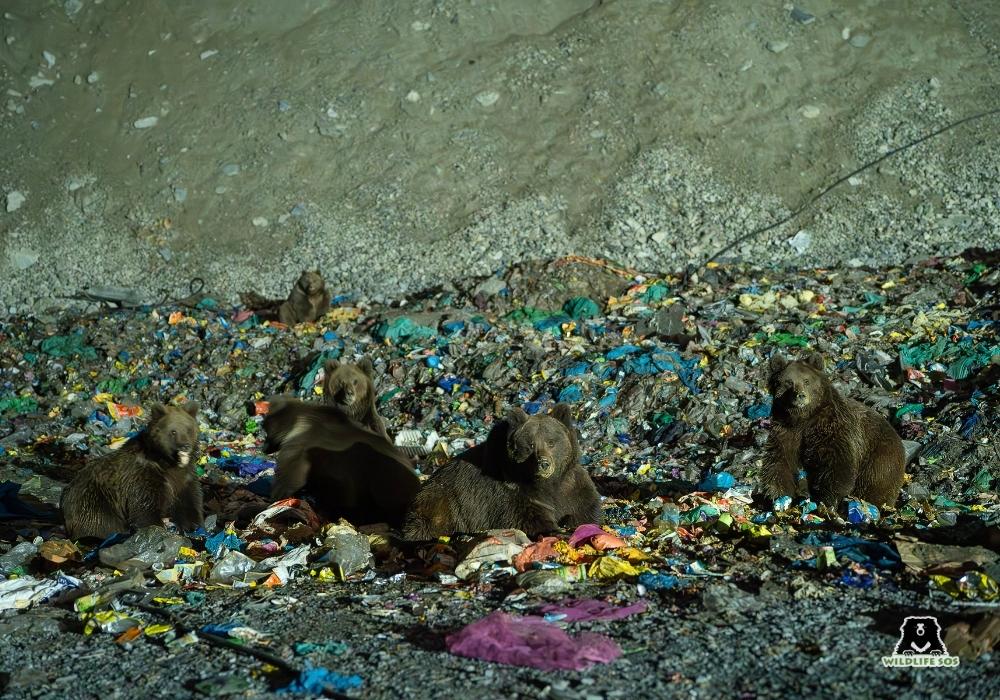
Understanding the root causes of why species are pushed into human-dominated spaces is crucial to mitigating the rising conflict situations across the country. [Photo © Wildlife SOS/ Akash Dolas]
You can help rewrite the story of threatened species. Donate towards our conservation initiatives, and join Wildlife SOS in giving our incredible wildlife a promising future.
Feature image: Mradul Pathak/ Wildlife SOS