Grief is often thought of as a uniquely human experience, an emotion tied to memory, love, and loss. Yet, time and again, animals have shown us that they too can feel the weight of absence in ways that are achingly familiar. Whether it’s a mother elephant standing over the body of her dead calf, or a chimpanzee gently touching the hand of a fallen companion, these moments make us question the boundaries we draw between human and animal emotion.
Scientists have long observed these behaviours, though for many years they hesitated to describe them in emotional terms. They worried that calling an animal “heartbroken” or “mourning” would be anthropomorphizing, that is, attributing human emotions to animals. But growing evidence from the field has begun to shift that view. Researchers have documented elephants returning to the bones of deceased herd members, dolphins carrying dead calves for days, and primates holding and grooming the bodies of their young long after death. Various studies suggest that such responses might be a form of grief, an emotional and behavioural reaction to the loss of a valued social partner. The depth of these connections challenges the notion that emotions like love and sorrow belong only to us humans.
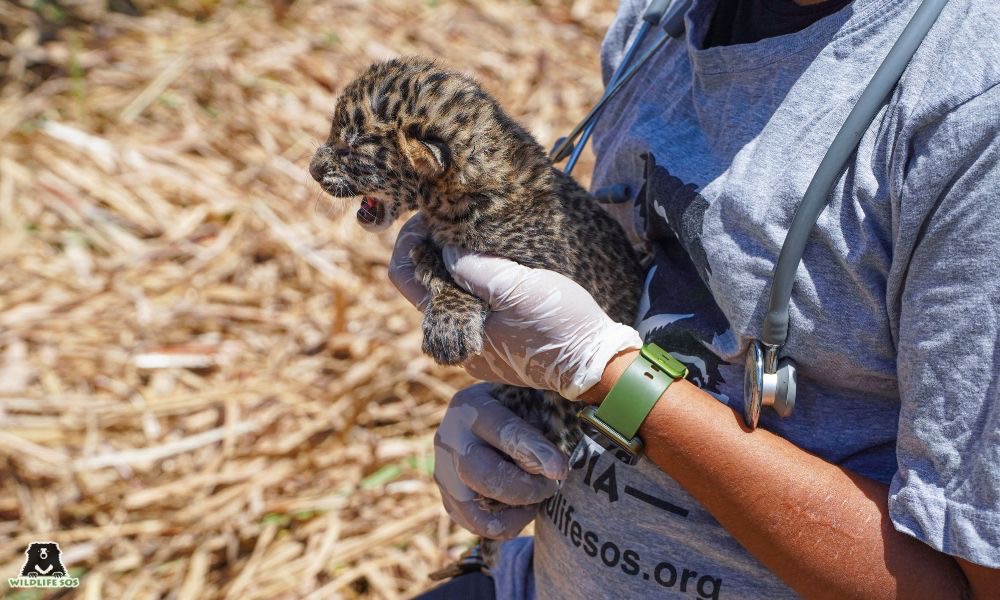
At Wildlife SOS, we have witnessed this truth again and again. The animals who arrive at our rescue centres often bear the scars of trauma and exploitation, yet they also display extraordinary capacity for affection, companionship, and care. And when a beloved companion passes away, the survivors show unmistakable signs of mourning – changes in behaviour that cannot be mistaken as mere instinct.
One of the most moving examples of this came from our two resident elephants, Asha and Suzy. Blind and elderly, Suzy relied on Asha to navigate her surroundings. The two became inseparable, Asha’s steady presence gave Suzy confidence, and Suzy’s gentle nature offered Asha comfort. When Asha passed away, Suzy’s grief was palpable. She stood by her friend’s body for hours, letting out deep, echoing trumpets that filled the air with sorrow. She refused to move, as if waiting for her companion to respond. The caregivers who knew her best described how Suzy’s behaviour changed in the days that followed. She grew quieter, more withdrawn, and less eager to eat. It was impossible not to see her sadness mirrored in human terms.
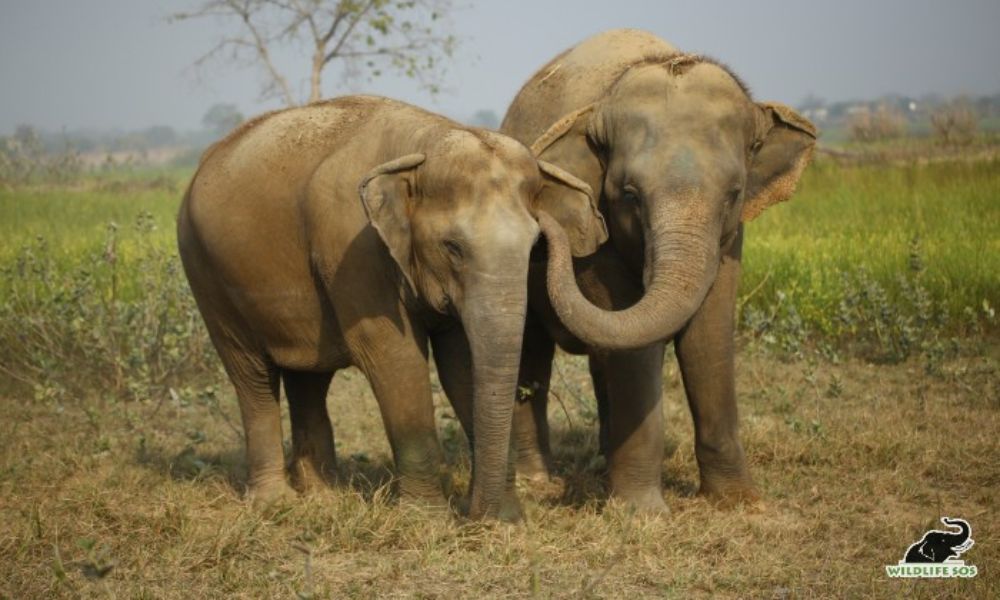
Asha herself had once grieved too. Her closest companion, Lakhi, was an elderly blind elephant whose years of captivity had left her frail but full of gentle spirit. The two had formed a deep friendship, often walking together, their trunks occasionally brushing against one another’s. Lakhi’s demise left a gaping hole in our hearts, but what we saw in Asha then has left a memory we cannot forget. Asha refused to eat and would not leave the spot where her friend had lain. For an entire day she remained still, tracing her trunk through the mud and rumbling softly, as if calling out to her lost companion. The sight was heartbreaking, and it left no doubt that what she felt was grief, quiet, raw, and deeply felt grief.
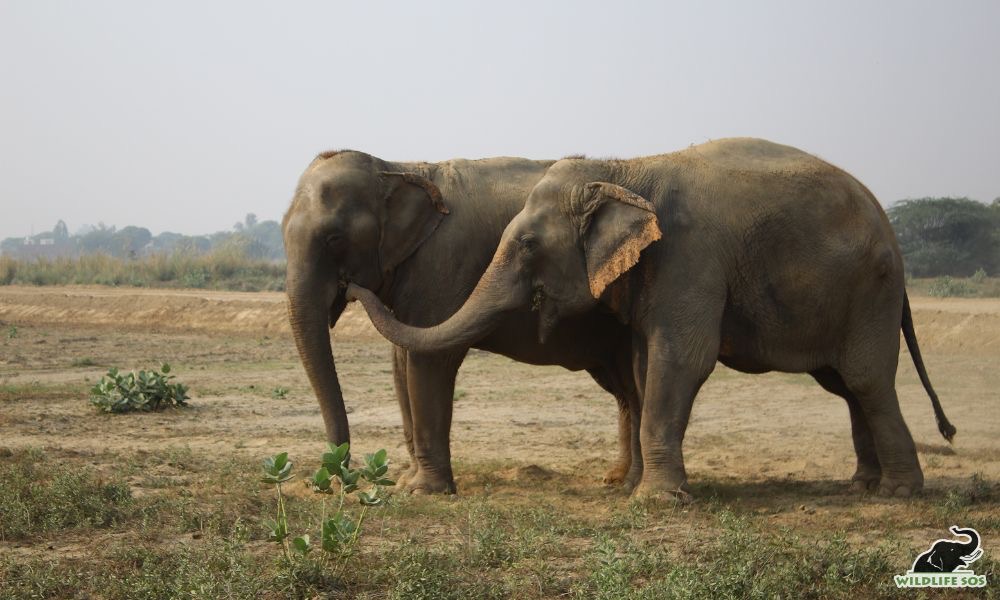
Similarly, Coconut, a member of the nut herd, showed disinterest in her surroundings after losing Peanut. Normally curious and playful, she had become silent and she stood alone for hours, as if processing something difficult to believe. Only with time, care, and the constant presence of her caregiver, did she slowly begin to heal.
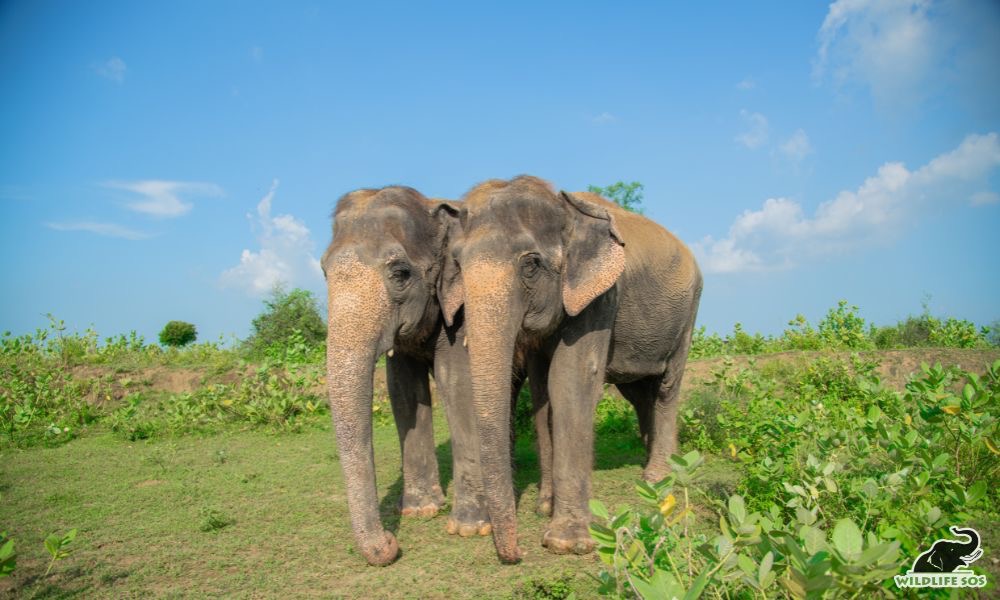
Even Mia and Sita, who had been rescued together from the same circus, showed us the emotional depth of companionship. Having endured identical hardships, the two elephants formed an immediate and powerful bond, walking side by side, sharing meals, and offering each other the comfort that only those who have survived similar suffering can understand. About a year later, they were joined by Rhea, another elephant rescued from that very circus. When Rhea arrived, Mia trumpeted loudly and rushed to welcome her, a clear display of joy and excitement. Together, the trio became inseparable, their shared trauma knitting them into a small family of their own. When Sita tragically passed away from the severe injuries she had sustained during captivity, the loss altered the gentle rhythm of their little group. In the months that followed, Mia and Rhea grew even closer, leaning on each other for security and strength.
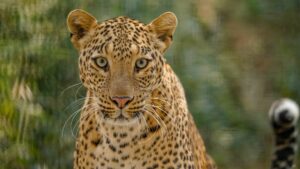
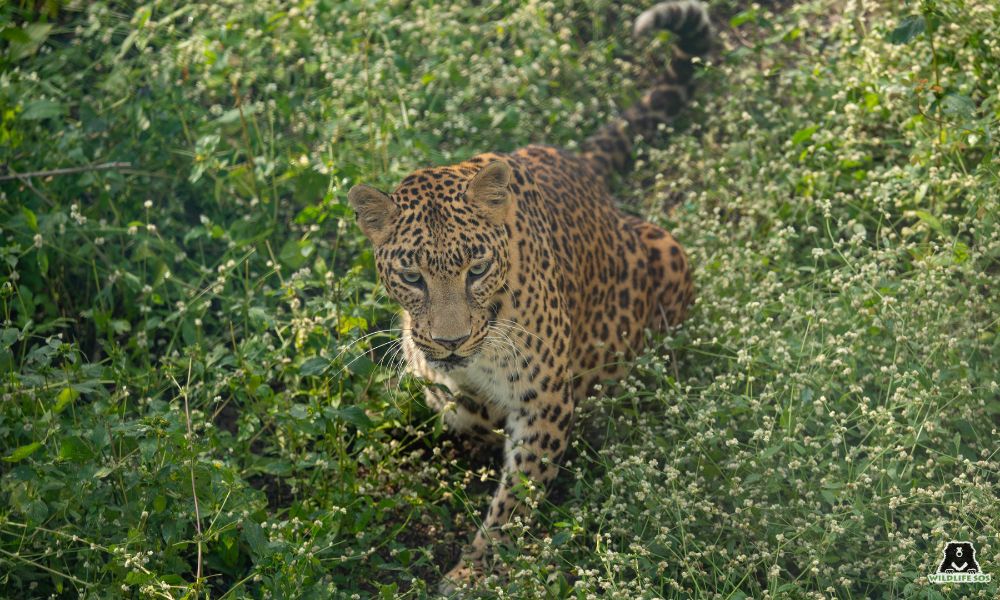
Such expressions of mourning are not unique to elephants, though elephants are among the best known for their empathy and memory. Other rescued animals at our centres have shown similar responses, subtle but telling, when they lose those they held dear. Shivani, a leopard rescued as a cub, had shared her enclosure and her days with another leopard named Sitara. The two were often seen grooming one another, playing together, and resting side by side. But when Sitara passed away, Shivani’s personality seemed to change overnight. She began to spend long hours hidden in her den, refusing to interact with her caregivers or engage in activities she once enjoyed. Her caregivers described her as quieter, almost subdued, as if she had retreated inward to process her loss.
What all these stories, from our centres and the wild alike, tell us is that animals feel far more than we believe. They form friendships, they nurture bonds, and when those bonds are broken, they mourn. Their grief may not look like ours, it may be quieter, less visible, but it is there. The refusal to eat, the stillness beside a perished companion – each gesture carries the same emotional truth that we recognise in ourselves.
Having observed elephants closely enough, we can strongly support the claim that these gentle giants display a vast array of emotions. Through difficult times, we step in to support them with compassion, along with providing them enrichments that can liven their spirits. Caregivers at our centres have also understood that while they need quietude to heal, they must also stay close to them as a reassuring gesture that they are not alone, and letting them gradually regain a sense of comfort and security.
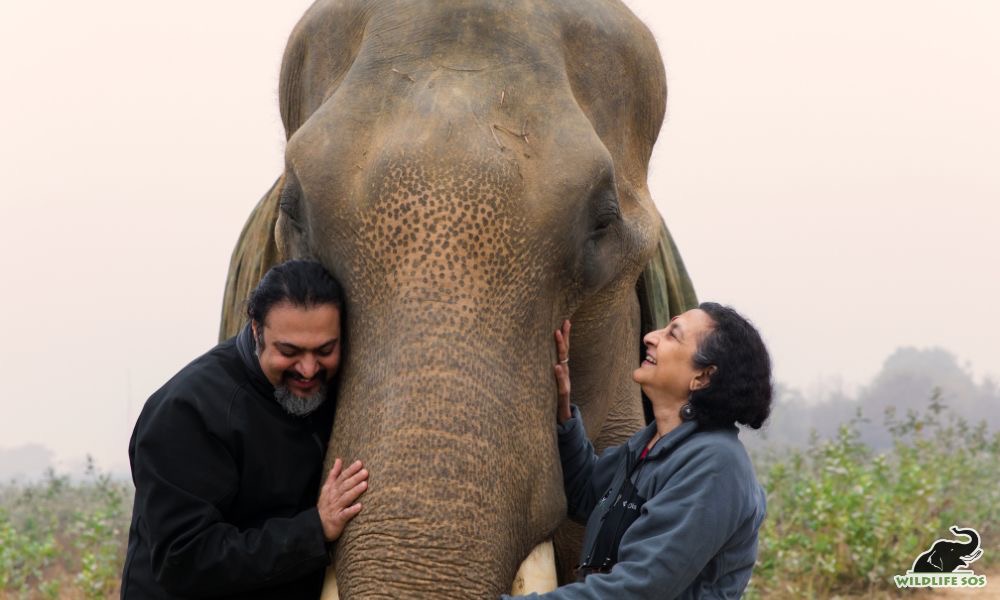
Understanding this should change how we see and treat them. To know that animals also grieve is to recognise that they love, remember, and feel the world deeply. At Wildlife SOS, each story of loss reminds us that the lives we rescue are not just bodies in need of care, but hearts capable of attachment and sorrow. Their emotions are real, their pain is real, and their capacity to love is profound.
Perhaps grief is not simply an expression of pain, but of connection — a sign that love, once felt, leaves an imprint that cannot be erased. When an elephant like Asha mourns her friend, or a leopard like Shivani retreats into silence after loss, they are showing us that compassion and emotion are not restricted to species. They are part of what it means to be alive. And in recognising that truth, we find a deeper kinship with the animals we share this planet with, one built not on dominance, but on empathy, understanding, and respect.
If these stories of love, loss, and resilience moved you, consider helping us continue standing by the animals who cannot speak for themselves. You can contribute to Wildlife SOS to ensure that every animal who suffers or struggles finds safety, comfort, and a chance to heal at our centres.
Feature image: Akash Dolas/ Wildlife SOS