Have you ever imagined building a career around animals? Use this article as your personal inspirational guide to enter the world of wildlife as a working professional!
Apart from being a passionate wildlife photographer or a professional veterinarian, opportunities available in this industry are surprisingly diverse and make for a long list. If you have a fascination with wild animals, there are several educational paths and skills you can explore that open doors to a career in the field of wildlife research and conservation.
Branches of the Wildlife Sector
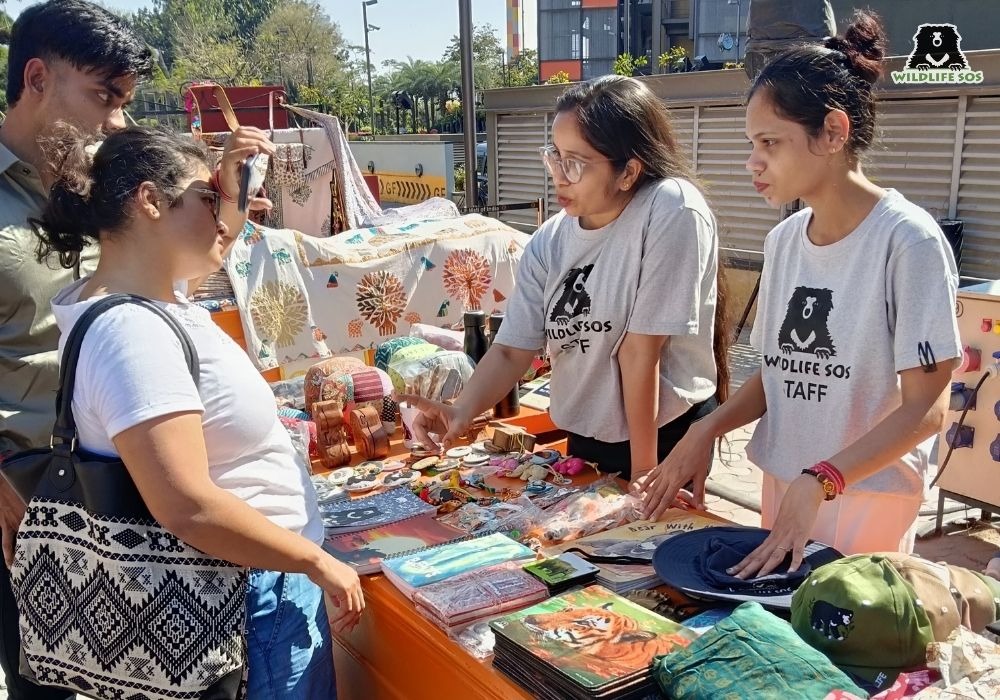
- Fundraiser: One potential opportunity, even within the wildlife conservation field, is the role of a fundraiser. Fundraising is definitely a crucial part when it comes to supporting and sustaining organisations that work towards animal welfare. Skills such as communication, proposal or grant writing and maintaining relationships with donors and benefactors majorly come are fundamental for this.
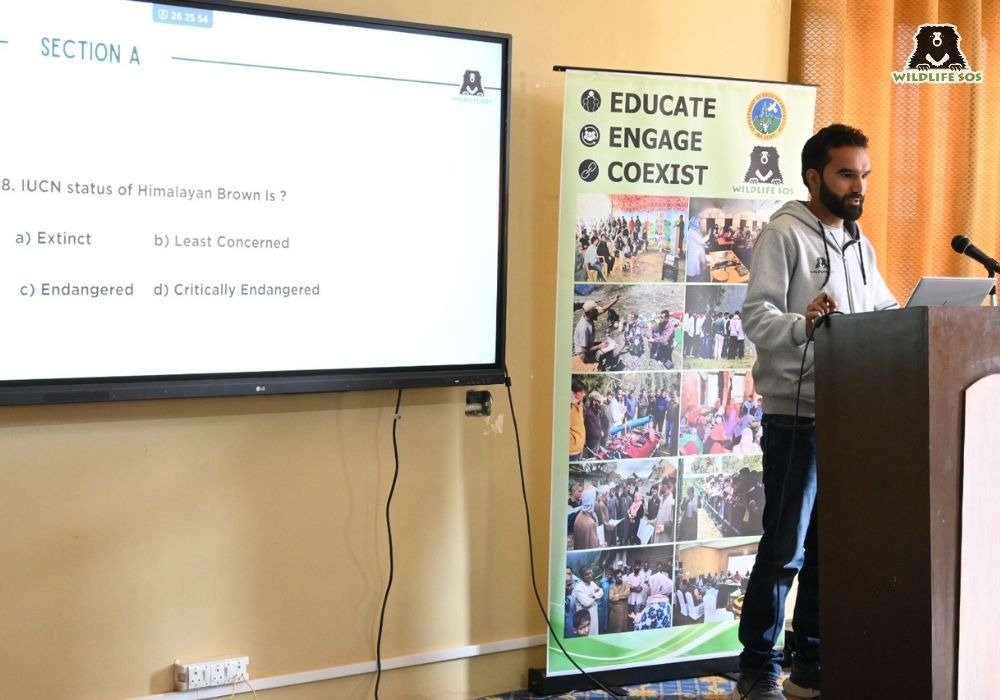
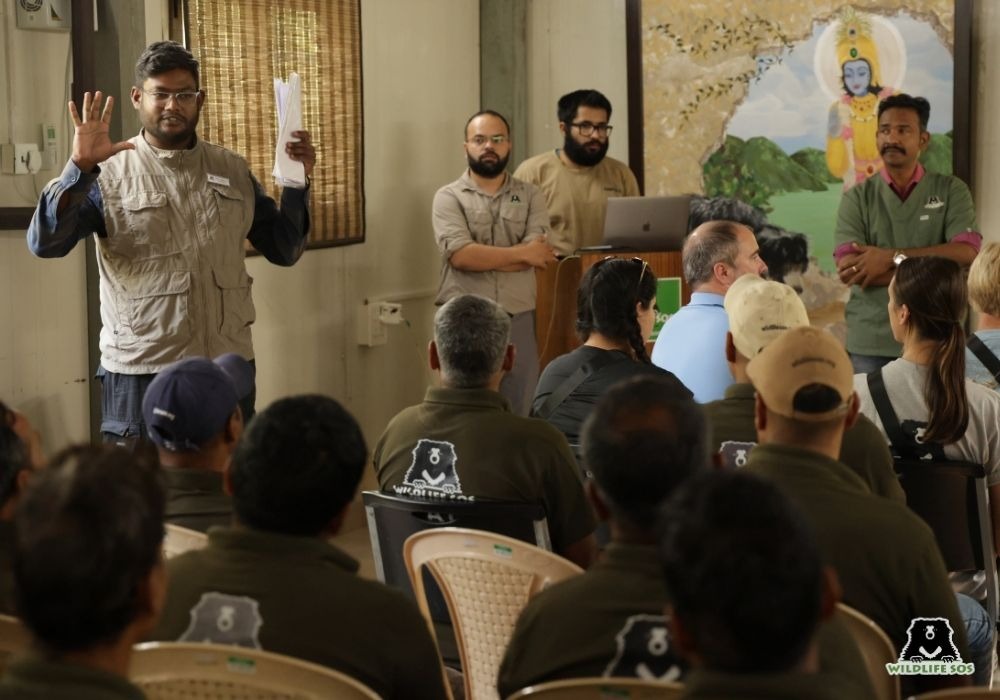
- Education Officer: This position acts as a keystone in the field of wildlife conservation. It involves creating and delivering programmes to raise public awareness about the importance of wildlife welfare and conservation. A specialised background in environmental education or wildlife biology is highly considered for the same. If you are a master in speaking skills and wish to create engaging presentations for audiences across different ages and backgrounds, this path can be your calling.
- Rescuer: Rescuers are the ones who are on the move to save wild animals that unexpectedly turn up in human locales. A wildlife rescuer, along with having professional rescue skills, assists in translocation as well, which means they help in transferring animals that are found injured, sick, orphaned in infancy or caught in conflict situations. To work for such a position, one should be well-versed in handling different species. Training for this role should be done under close observation and mentorship of experts who have a long, hands-on experience of rescues and valuable, ethical knowledge. Permits for handling wild animals are necessary before one can start working in this area professionally.
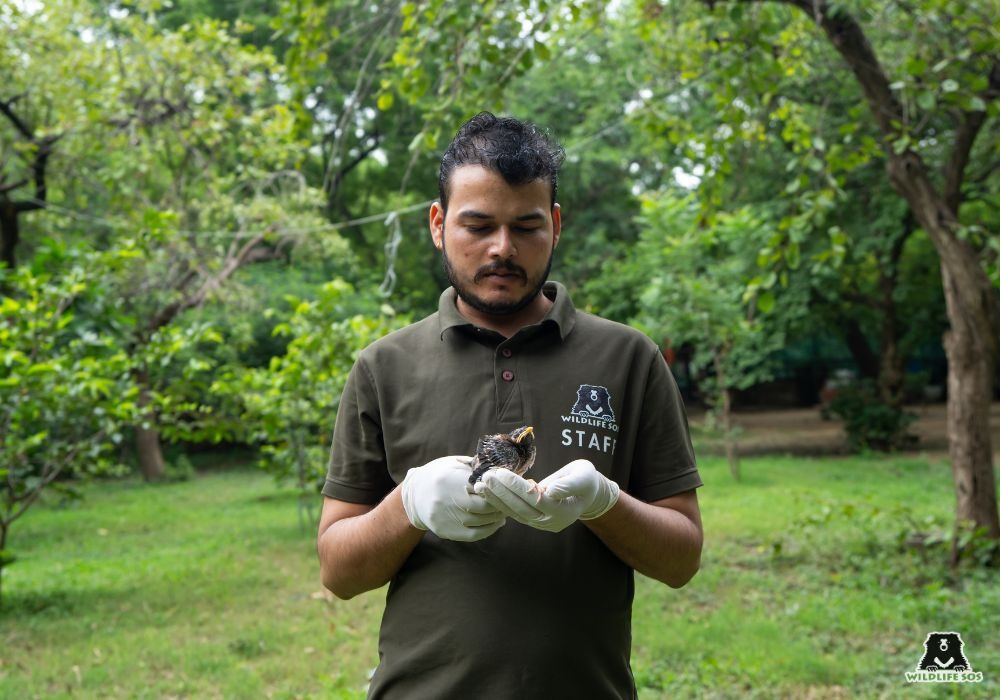
- Field Biologist: A degree in wildlife sciences is required to pursue this career path. Biologists are responsible for studying animals, their behaviour, population structures or dynamics, habitats and how human activity impacts wildlife. One can also consider going for a Ph.D. academically, which can help in gaining lead research roles.
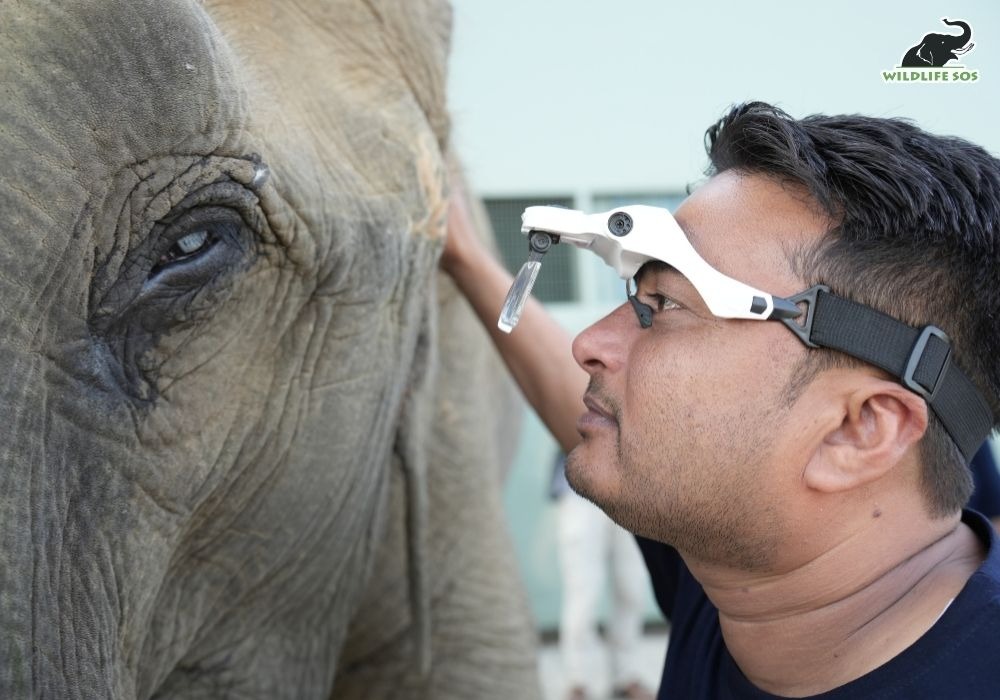
- Veterinarian: The veterinary profession helps one serve both domestic and wild animals. Vets have private clinics or can choose to work in national parks, wildlife sanctuaries, zoological parks and even non-government organisations (NGOs). After clearing an entrance exam after school, one can pursue a degree in veterinary science. Entering the wildlife sector as a veterinarian can be very fulfilling. One can also get to be a part of conservation efforts such as captive breeding programmes to protect endangered animals.
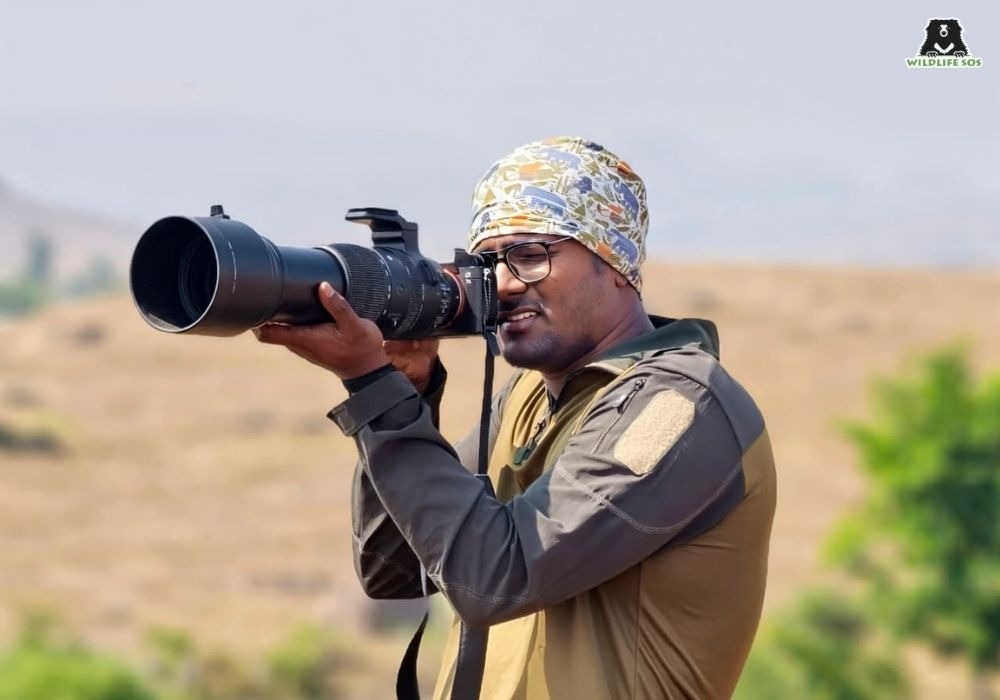
- Wildlife Photographer & Cinematographer: There are more than many opportunities to work as a wildlife photographer, filmmaker and audio-visual content creator. One can pick up freelance work or get assignments through wildlife mass communication channels. Working with conservation-oriented NGOs is also a path one can choose to walk on and visually document their story. Technical skills on how to operate a camera is a non-negotiable skill to have. Patience to perfectly capture the wonderful world of the wild will also play a big role as a wildlife photographer.
- Communication Officer: As a communications professional, one can pursue roles such as writer, graphic designer, campaign manager, press officer, social media specialist, and public relation officer. This position requires strong verbal and written communication skills, as the name suggests. Whether you have a background in journalism or content creation, or an academic degree in the field of wildlife and its habitats, the willingness to share about wildlife is what can surely help you grab this role. Creativity to captivate readers is encouraged in content creators.
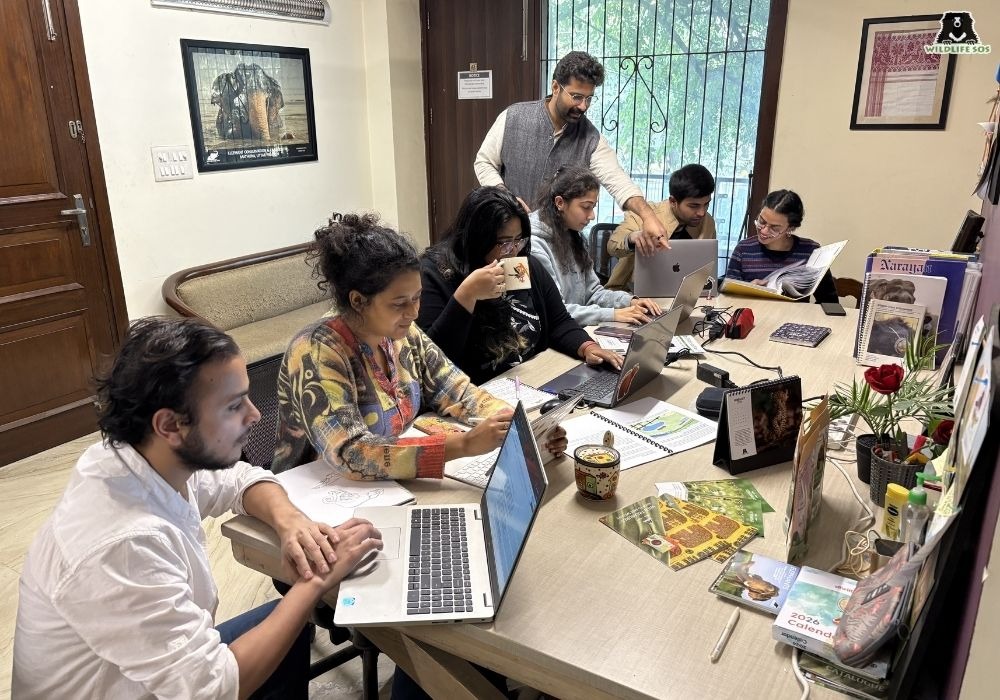
Meet the People Supporting Wildlife SOS’s Mission
Wildlife SOS is an organisation that is dedicated towards the welfare and conservation of wildlife. It has welcomed those who wish to impart their proficiency for the many different categories of job profiles. Let’s introduce members of the staff that have lent their efforts and expertise towards protecting India’s wildlife and understand what inspired them to begin their careers in this field.
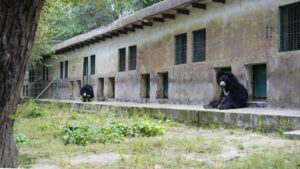
At the Bannerughatta Bear Rescue Centre (BBRC) in Karnataka, the responsibility of animal welfare lies in medical care, compassion and consistency, principles sincerely adhered to by Dr. Arshvarinder Singh Virk, affectionately known as Dr. Arsh by his team members. Hailing from a small city in Punjab, Dr. Arsh’s journey towards treating animals began with a simple act of caring for the stray ones in his own neighbourhood.
While veterinary care builds the foundation for the rehabilitation of animals, public engagement and awareness plays an extremely important role to invite people in discovering wildlife. An engineer who decided to turn into a professional conservationist, Mr. Harendra Singh is a cherished member of the Wildlife SOS team as the Head Coordinator of Visitor and Volunteer Programme. His first step into the world of wild was as a wildlife educator. He was deeply motivated to join the organisation that had put an end to the practice of ‘dancing’ bears, performances that were familiar to him since his school days, but had left him unsettled.
A network of care and conservation is very important for this organisation to sustain the welfare of the rescued animals. Here is where the roles within Corporate and Philanthropic Partnerships come in. Ms. Aishwarya Reddy Ravugari, an efficient leader of her team at Wildlife SOS, is building strong alliances with institutions that are eager to support the organisation’s mission and vision. Her fascination with wildlife began in her youth too, but with time, she gained a deeper awareness about habitat destruction and human-wildlife conflict, and chose to apply her professional competencies to a cause that she firmly believes in.
Mastering the art of effectively communicating the very purpose of Wildlife SOS and creating everlasting bonds with establishments that can uplift care and conservation efforts is Ms. Sandhi Priya, Director of Corporate & Philanthropic Partnerships. Born in Dehradun, her young, impressionable days were shaped by her parents’ enthusiasm for wildlife. Family outings were planned according to natural landscapes, encouraging her to protect the country’s heritage and diversity. This relentless will continues to inspire her teammates and is further strengthening the foundation of Wildlife SOS.
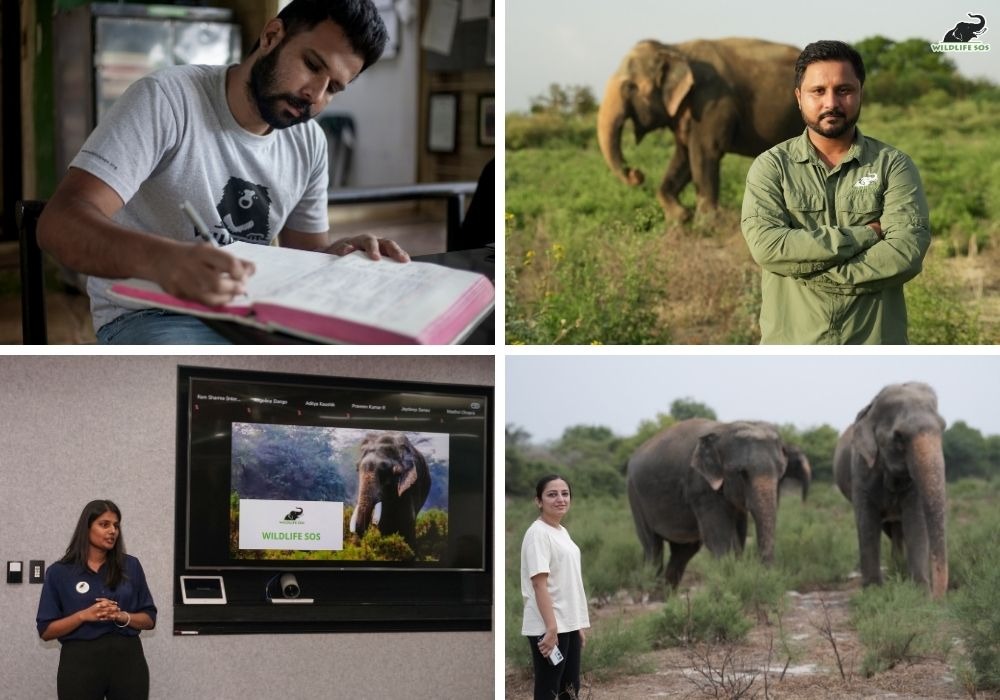
What works hand-in-hand with the remaining teams and forms the bridge that takes the organisation’s efforts to people far and wide is communication. This mighty onus lies on the able shoulders of Wildlife SOS’s Director of the Communications Department, Ms. Suvidha Bhatnagar. With graduation in mass communication and post-graduation in social work, she set off on her professional journey combining the two effectively at this wildlife organisation. The knowledge she acquired here was channelled by her communication skills to create impactful content. Today, she overlooks a team of content generation, keeping the wheels of sharing influential material across platforms moving.
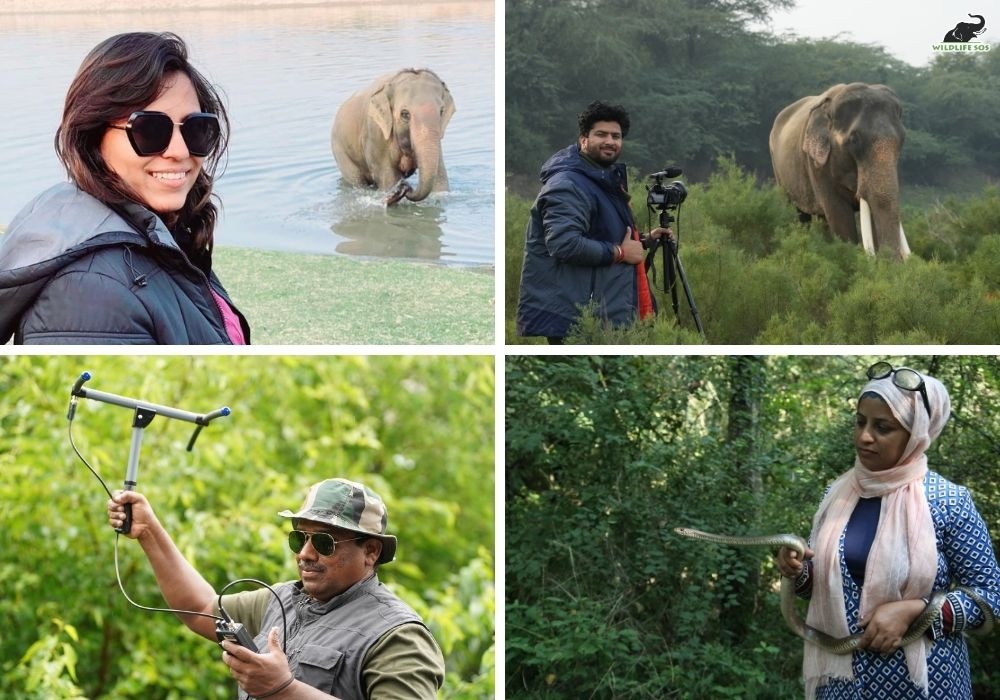
Wildlife SOS celebrates the efforts of individuals who unconditionally dedicate themselves to wildlife, their protection, and make spectacular efforts to support their future. Ms. Aaliya Mir in Jammu & Kashmir spearheads the principles of conservation as an Education Officer and Programme Head. Fondly known as the “one woman army” in the entire Wildlife SOS family, she singlehandedly manages awareness and rescue operations of avians and reptiles. She also tends to stray animals in hopes of promoting humane treatment to these voiceless animals. Her extraordinary work has been recognised and felicitated with an award by J&K’s Department of Forest, Ecology and Environment.
Mr. Suryoday Singh Mann’s creative skills have fast escalated his role to become the Manager of Filmmaking & Audio Visual Production with Wildlife SOS. The field of photography bedazzled him from watching remarkable visuals of animals on TV channels like National Geographic as a kid. Joining Wildlife SOS became a learning journey for him. He started from the very basics of understanding animal behaviour and how to sensitively handle a camera around wild animals. It dawned on him that while skills to click images are needed, learning animal behaviour and being patient are equally important to have in this field. Together, all three stand in balance just as the three legs of a tripod do. He guides a team of wildlife photographers, and even carries the bright feather of filmmaking on his cap with the award-winning documentary My Sweet Paro.
From behind-the-scenes comes the story of Mr. Swaminathan Shamugavelu, endearingly known as Swami sir by the whole Wildlife SOS family. He is a Senior Field Biologist, now 12 years old with Wildlife SOS itself. Absolutely fascinated by sea snakes, he lived near the coastal area of Tamil Nadu while growing up. He chose the waves to ride on, and gained his masters in wildlife biology. Swami sir has been sharing his abundant knowledge and has been ardently working on a range of keystone projects. These include the Habitat Restoration Project at Ramdurga Valley, Sloth Bear Denning Project, Sloth bear-Human conflict mitigation in Karnataka, Star Tortoise Repatriation Project, and Chhattisgarh Elephant Radio-collaring.
Volunteering: A Stepping Stone to Wildlife Careers
Volunteering acts as the perfect precursor to a fascinating career in wildlife conservation. Exploring volunteering opportunities in this field is bound to give the right exposure towards the welfare and conservation of animals.
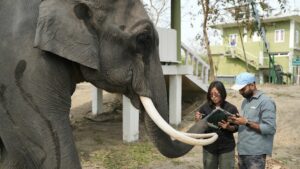
At Wildlife SOS, we offer a 5-day volunteer programme that encourages you to participate in the daily routine of care for elephants and sloth bears. This is a unique opportunity to learn how our conservation and care centres function and closely understand animal welfare. While direct physical contact with the rescued animals isn’t a part of the volunteering project, what you are sure to gain is a newfound desire to support species that are equal inhabitants of this planet.
Take the first step and volunteer with us by completing a short application, or email us directly at volunteer@wildlifesos.org to know more.
“Never doubt that a small group of thoughtful, committed citizens can change the world; indeed, it’s the only thing that ever has.”
– Margaret Mead
You can also plan a visit with us in Agra, Mathura or Bangalore and contact us at visit@wildlifesos.org. Our programme coordinator will assist in making all the necessary arrangements.
Feature Image: Wildlife SOS