High in the fragile alpine belt of Jammu & Kashmir lives one of India’s most elusive mammals, the Himalayan brown bear (Ursus arctos isabellinus). Known for its golden-brown coat and its ability to survive in some of the harshest landscapes on earth, this subspecies of brown bear is facing unprecedented challenges as human activity continues to push deeper into its habitat.
Over the past few years, Wildlife SOS has been working to understand the pressures faced by these bears, especially in the Sonamarg landscape where tourism, unregulated waste disposal, and habitat disruption have dramatically altered their natural behaviour. What began as an urgent response to rising human–bear conflict has now evolved into a research project that is revealing new insights into the species’ movement patterns, winter hibernation, denning ecology, and long-term survival needs. Yet Sonamarg is not the only region grappling with these challenges. Wildlife SOS teams are increasingly observing similar patterns emerging in Bandipora, where bears are once again being drawn towards human settlements by garbage dumps and food waste. As the issues begin mirroring those in Sonamarg, the lessons learned through the ongoing research are becoming vital for shaping future conservation interventions across Kashmir’s high-altitude landscapes.
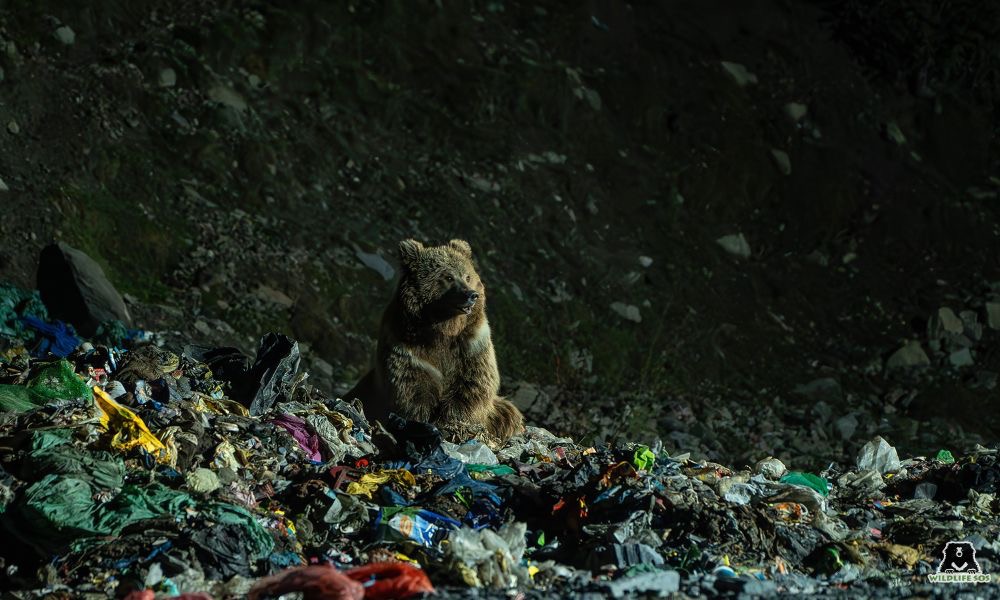
The journey toward this breakthrough began in 2021, when a preliminary study by Wildlife SOS found that Himalayan brown bears were increasingly frequenting garbage dumps instead of foraging naturally in the wild. The findings were deeply concerning, nearly 75% of the diet of bears visiting waste sites consisted of plastic wrappers, chocolates, and processed food discarded by tourists. This dramatic shift in diet had immediate consequences, making bears more habituated to human presence, altering their natural feeding cycles, and significantly increasing the likelihood of conflict. Bears lingering around dumpsites not only risked ingesting harmful materials but also began approaching tents, shops, and vehicles in search of food. It became clear that the team needed more than surface-level observations to understand why these behaviours were emerging and how they might affect bear ecology in the long term.
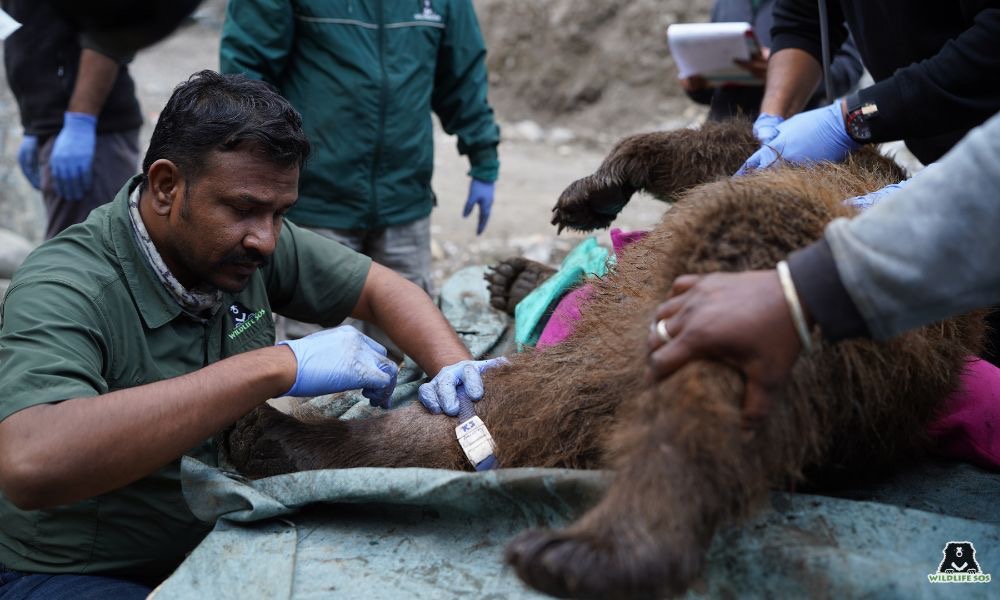
To address this critical knowledge gap, Wildlife SOS, in collaboration with the Jammu & Kashmir Wildlife Protection Department, launched India’s first radio-collaring and telemetry-based study on Himalayan brown bears in 2023. Six bears were carefully fitted with GPS-enabled radio collars that transmitted detailed location data around the clock. For the first time, researchers could trace the bears’ daily movements, map their preferred habitats, monitor their seasonal travel routes, and understand how frequently they approached human settlements. With each data point, the team gained a more detailed understanding of how the bears were responding to changing landscapes. Several collared bears made regular trips back and forth between natural foraging sites and garbage dumps, suggesting an emerging reliance on human waste. This behavioural change underscored the need for improved waste management and reinforced the urgency of science-driven conservation planning.
At the same time, the collar data revealed something far more valuable and previously undocumented in India: it allowed researchers to locate the hibernation dens of the Himalayan brown bears for the first time.These dens were found on steep slopes and cliffs at altitudes of around 4,000 metres, often in areas where deep snow, harsh winter conditions, and treacherous terrain made ground surveys extremely difficult. In earlier years, researchers could only speculate about potential den locations based on indirect signs, as reaching these sites on foot during winter was nearly impossible. Telemetry data changed that reality, providing researchers with precise coordinates that guided them to the bears’ winter refuges.
J&K Project Progress in 2025 –
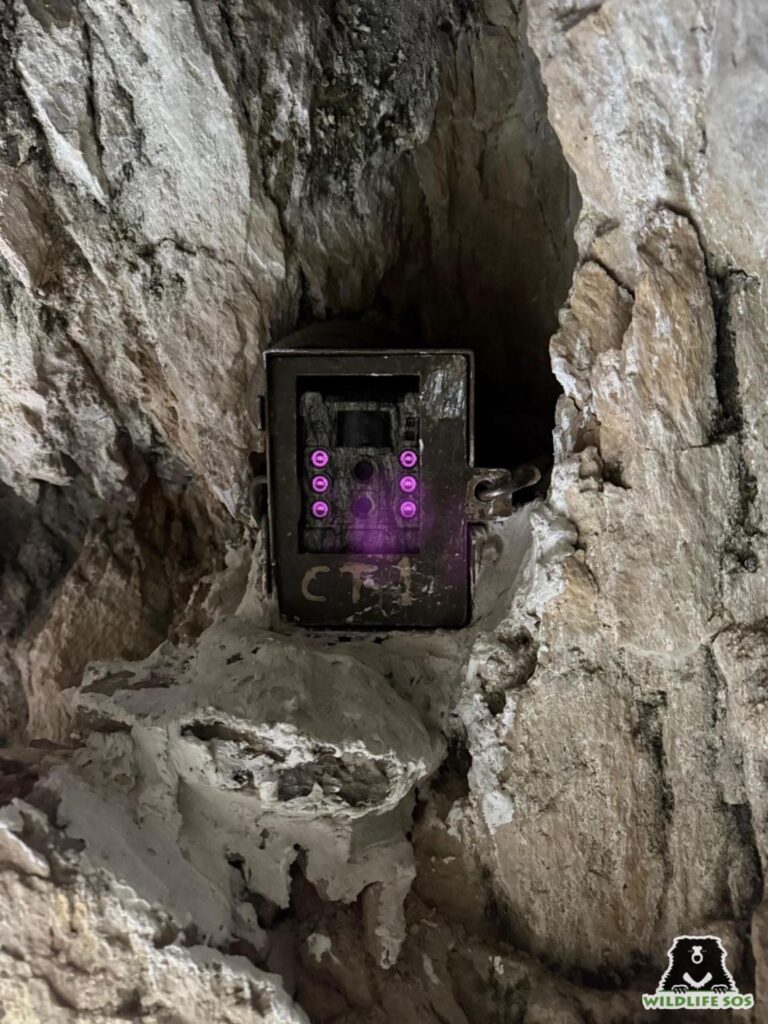
In 2025, using the precise telemetry coordinates as a guide, Wildlife SOS took a landmark step forward by installing camera traps at identified Himalayan brown bear den sites. Teams undertook strenuous climbs through snow, ice, and rocky slopes to reach these remote dens. Placing the cameras required careful planning and an immense degree of caution, as dens are sensitive spaces where bears conserve energy and, in the case of females, may give birth to cubs during hibernation. For the first time in India, camera traps were placed inside natural bear dens, giving researchers an unprecedented view into the hidden winter lives of this species. The footage collected will help answer fundamental questions about denning behaviour like when bears enter and exit their dens, how long they hibernate, what behaviours they exhibit inside, how frequently they stir during winter, how mothers care for newborn cubs, and how changes in weather patterns may be affecting hibernation cycles.
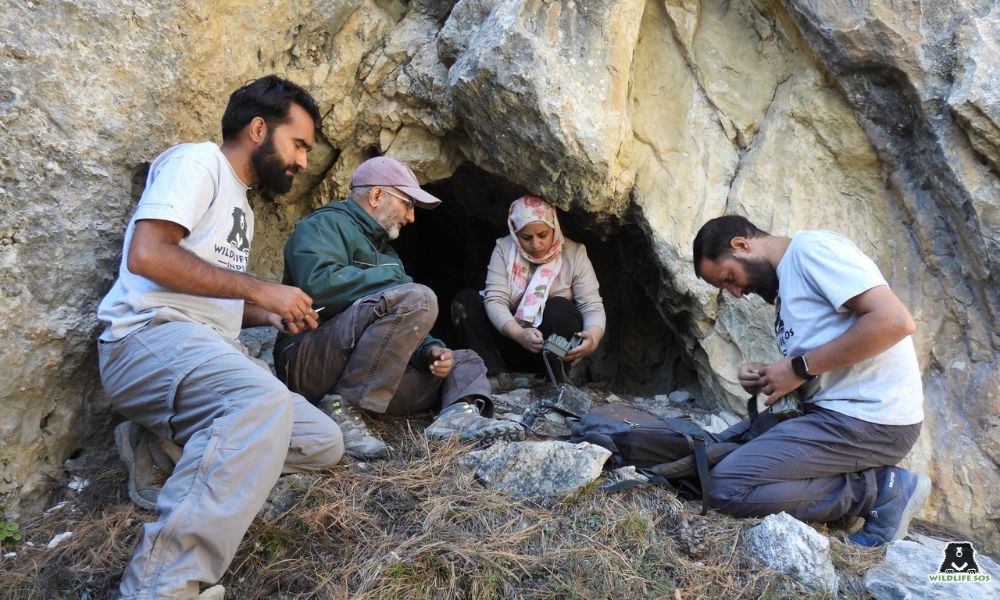
These visual insights, combined with precise movement patterns captured by radio collars, will create the most comprehensive dataset ever collected on Himalayan brown bear hibernation in India. Understanding denning behaviour is essential because it directly influences reproductive success and long-term population stability. Any disturbance to dens, particularly those occupied by pregnant females or mothers with cubs, can be catastrophic. Knowing where dens are located and how bears use them through winter will help conservationists like us make stronger protection measures for these sites, implement seasonal restrictions in critical habitats, and advocate for improved tourism regulations in fragile zones.
The findings from Sonamarg are proving invaluable as Wildlife SOS expands its attention to Bandipora, where bears are now facing a similar situation. The patterns are eerily familiar, habituation to garbage, disrupted foraging cycles, and a rise in risky encounters. The data, strategies, and scientific insights gained from the Sonamarg project are therefore becoming a template for early intervention in Bandipora, allowing conservationists to act before the situation worsens.
In addition to its scientific research, Wildlife SOS in Jammu & Kashmir has been conducting awareness programmes across Government Degree Colleges in Gurez, Sumbal, Bandipora, Hajin, Ajas, and Tangmarg, regions that are susceptible to human-bear encounters. These precautionary sessions aim to guide the youth about wildlife behaviour, safety protocols, and practical ways to coexist with brown bears, helping local youth stay prepared in case challenges similar to those in Sonamarg arise in their areas.
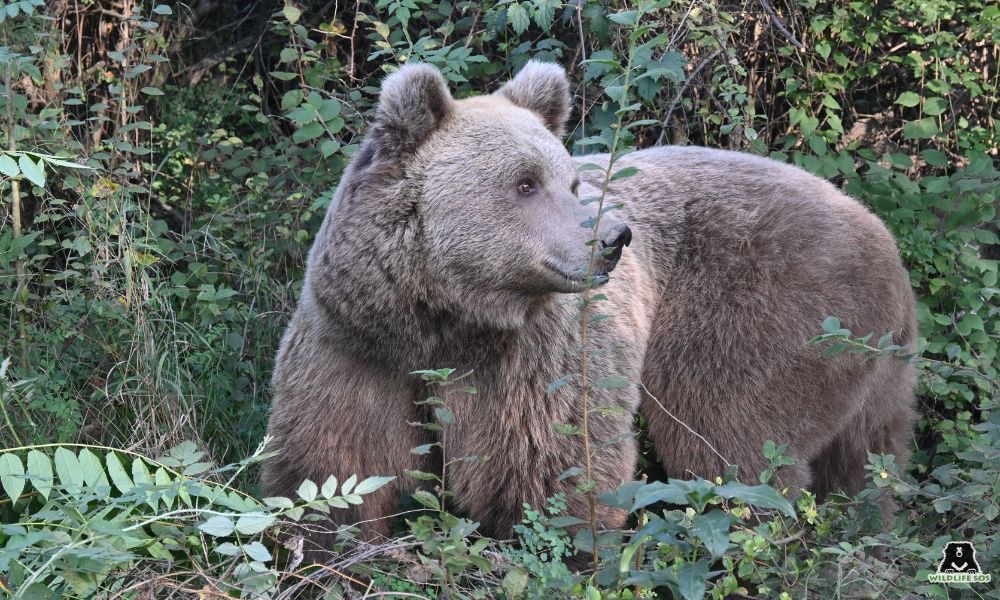
What began as a conflict-mitigation initiative has now grown into a multi-layered effort that is shaping the future of bear conservation in India. The combination of radio-collaring, occupancy surveys, waste-management assessments, and den-based camera trapping has opened a new window into the lives of Himalayan brown bears, offering insights that were impossible to obtain even a few years ago. As the project continues, the growing body of data will help refine conservation strategies, guide habitat protection, support waste-management reforms, and strengthen coexistence measures for communities living near bear habitats. Through persistence, scientific innovation, and deep commitment to field-based conservation, Wildlife SOS is uncovering the mysteries of these mountain giants and working to secure a safer future for the species.
You can help protect Himalayan brown bears and support our ongoing research by contributing to Wildlife SOS. Every donation strengthens field conservation, improves waste-management interventions, and safeguards fragile habitats.
Feature Image: Akash Dolas/ Wildlife SOS