
Some practices are considered sacred for a reason. In India, sometimes our traditions and collective beliefs go far beyond logic or reason. From their depiction in the earliest cave paintings to their prominent role in Indian mythology, elephants hold a revered place in our culture. Within Hinduism, the Indian elephant is not just a majestic creature but a living embodiment of Lord Ganesh, the remover of obstacles, the provider, and the symbol of wisdom. Yet, while these giants are celebrated and worshipped, they are often denied the freedom to live as they were meant to: free.
Isn’t it paradoxical that elephants that are considered to be symbols of protection are also exploited, confined, and subjected to suffering? Why do our actions contradict our own cultural principles? Somewhere between our staunch beliefs and practices, respect for elephants begins to fade.

Do Our Actions Speak Louder Than Words?
Human actions are often strongly justified on the basis of intellectual and cognitive intelligence homo sapiens have evolved with. But believing ourselves to be a dominant species does not justify the exploitation against fellow living beings. What we remember to forget is that as human beings, we also have the ability to make a choice. Through our choices, we can create meaningful change as well.
The plight of elephants in India is an uncomfortable truth that is often ignored. The largest mammal on Earth is free to roam across vast stretches of land, but instead, they are poached from the wild, are tied in chains, kept confined, tortured, and used to serve humans for tourism, begging, ceremonies or entertainment. And the consequences are stark. India, once referred to as the ‘Land of a Million Elephants’, is now home to just about 22,446 wild Asian elephants recorded in 2025. This is a 25% decline from the number 29,964 in 2017, translating to an average loss of three elephants every single day. This decrease is far from accidental, and is closely tied to the impact of choices humans are making over time.
While habitat loss, its fragmentation, and increasing human-elephant conflict are the primary drivers of their population decline, there are other, often overlooked pressures that continue to take a toll on them. Elephants are captured and removed from the wild for their use in begging, riding, processional ceremonies and logging that threaten their health and survival. Each elephant taken out of its natural habitat not only denies them their right to explore their natural behaviour within a protective herd, their life in negative captivity disrupts their physical and emotional health as well. The large lot of them being pulled away from the wild today is sure to impact its already sorry state of population.
Prevention of such practices therefore becomes critical to protect and conserve elephants, with its population status declaring them Endangered as per the IUCN Red List of Threatened Species. Stopping their use for begging, in cultural practices or in the tourist industry can put a brake on poaching activities altogether.
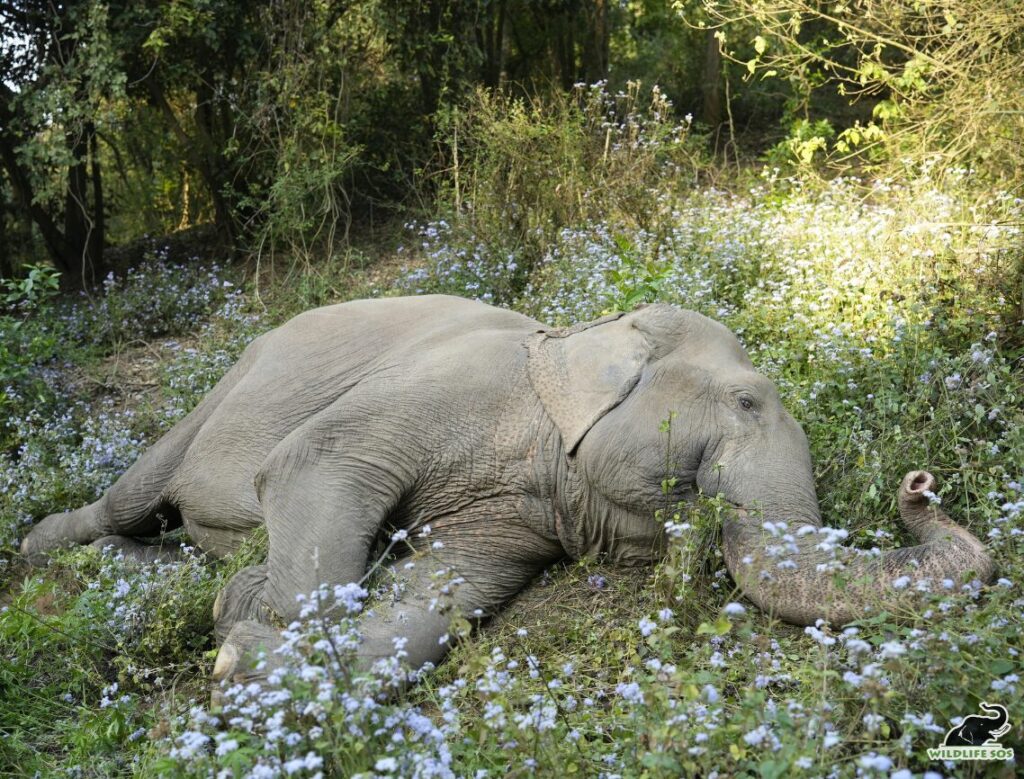
An elephant is powerful, weighing anywhere between 3,000 to 4,000 kilograms (or 4 to 5 tonnes), and yet, their strength has been broken when humans use them for their own benefits. This is most evident in practices like Phajaan, a brutal process used to break a young elephant’s spirit. Separated young from their mothers, confined in tight enclosures, and subjected to physical and psychological trauma, the aim is to force complete submission. For those who survive this ordeal and not resisting anymore is not because they lack the strength, it’s because they simply submit themselves, believing they can no longer defend themselves. Convenience over compassion is what erroneously lies as the foundation to the decisions we make. Whether it is construction of roads, railway tracks or urbanisation, or including a prop for local and tourist attraction to gather income, elephants are bearing the cost of activities benefitting human beings.
On the other hand, a widespread lack of both awareness and alternatives to such derogatory practices blocks the guilty conscience in people. The understanding of harm caused to elephants and their needs remains dormant when financial dependence and tradition go unquestioned.
A Crisis in Plain Sight
As human populations grow, so does the demand for land and resources. Forests are cleared, roads are built, and railway lines cut through natural habitats but in the process, elephants lose their own homes, the greens they consume as their food, and the routes they use to migrate. Migration routes that existed for generations are now blocked and the forests that once provided them food and shelter are shrinking.
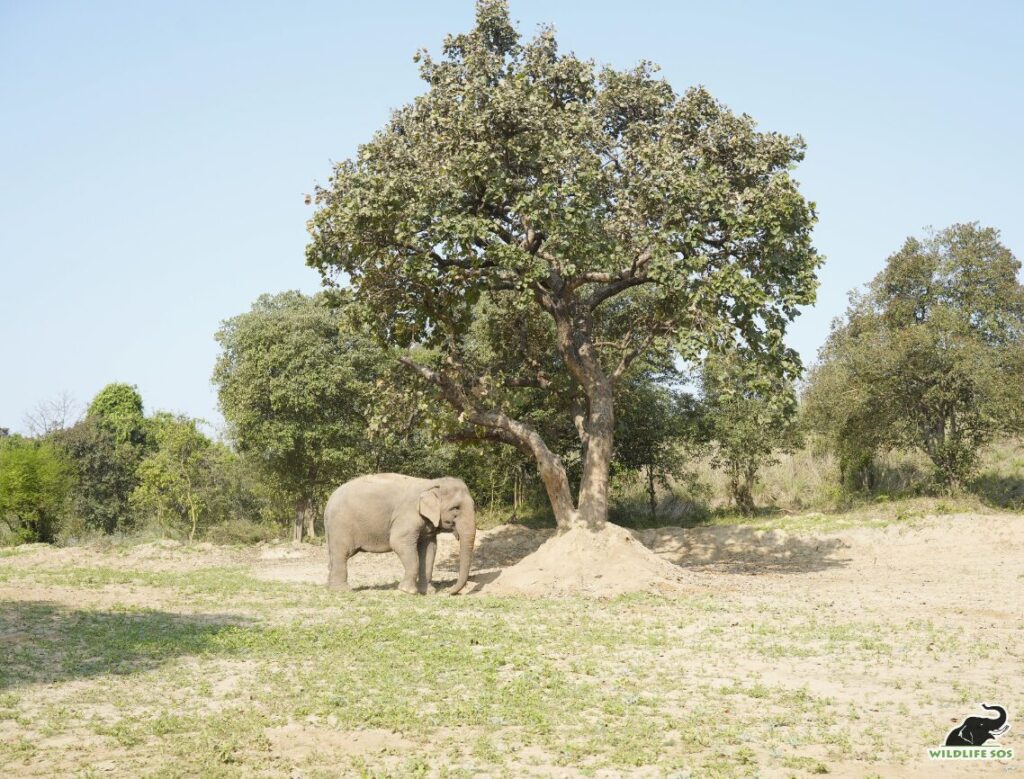
Elephants are intelligent mammals, with a remarkable memory and deep social bonds. They remember old migratory paths, past dangers, and the security of their herds and yet, they are forced to adapt to altered scenarios induced by us humans. Human-elephant conflict is no longer limited to forest edges, it now extends into villages, towns, and even cities. Elephants, recalling and following what were once their migratory routes, enter human spaces in search of food and water and this leads to dangerous situations for both people and the animals.
It is imperative to understand that changes elephants are witnessing are not affecting this species alone. Elephants are ecosystem engineers, and when their territories are disrupted, it impacts nature and the entire biodiversity dependent on it. Waves of this affect local communities when encounters with the wild increase, crops supporting livelihood get damaged, homes are destroyed, and at times, human lives are lost. These challenges also create economic strain and fear among communities that live close to the forests. Therefore, negative reactions towards elephants are closely connected to the calamities humans face, highlighting the urgent need of awareness for coexistence over conflict.
The Choice We Make
Humans are endowed with reason and the ability to distinguish right from wrong. This gives us as much power to protect as it gives us to harm. The question is how we choose to use the power we have.
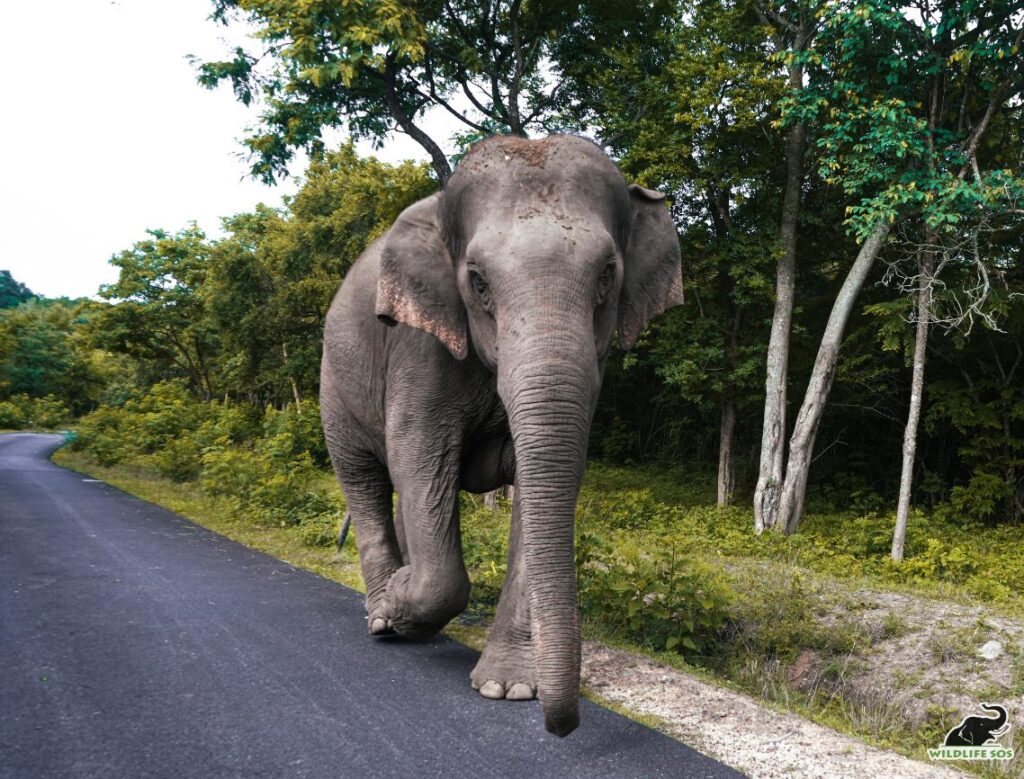
Small but consistent actions can lead to significant change and awareness is often the first step. Because when people understand the issue, they are more likely to act responsibly. Education and awareness empower individuals to participate in a purpose greater than themselves, creating a collective impact. Across India, local communities, conservationists, and wildlife organisations across India are already working towards a future where humans and wildlife can coexist safely. Their efforts demonstrate hope, and a belief that commitment and action is required from one and all.
Building Safer Pathways
Along with safe crossings like underpasses and overpasses that act as corridors for elephants over roads, today, technology added is providing innovative solutions in reducing human-elephant conflict in states like Tamil Nadu, Karnataka, and Assam.
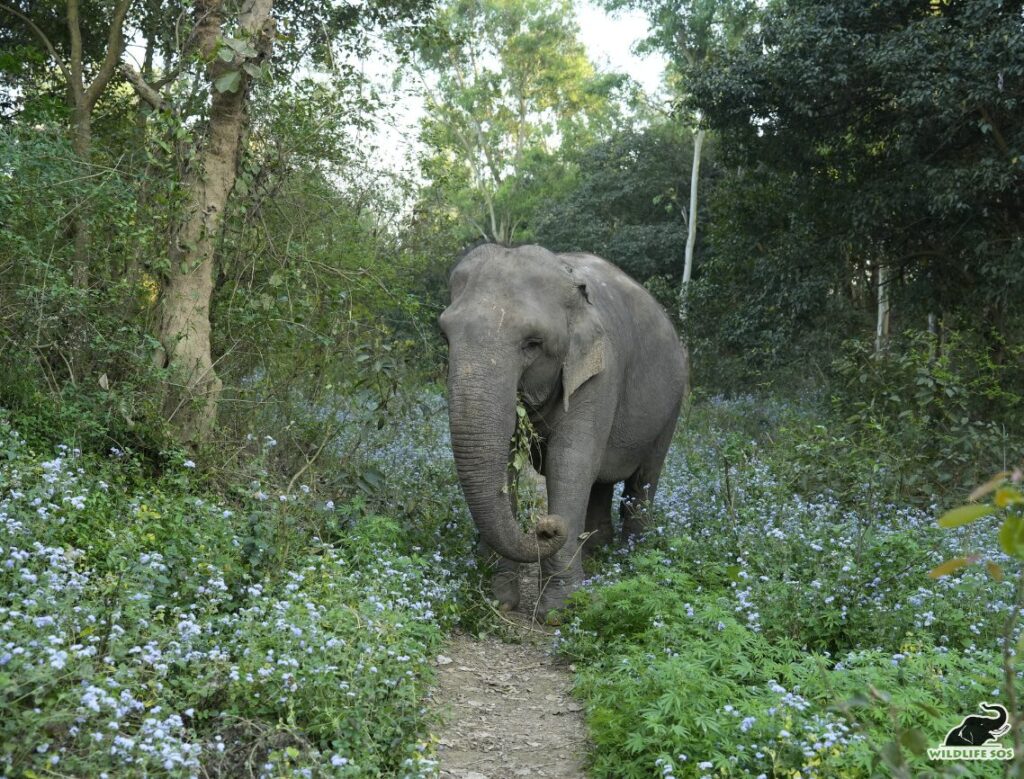
AI-based detection systems in camera traps and sensors can identify elephants near railway tracks and send alerts in real time which allows trains to slow down, preventing accidents. This intervention becomes especially important in light of cases like Bani’s, an elephant calf who suffered severe injuries after being struck by a train while crossing railway tracks with her herd. Such incidents highlight how important technology is where railway lines cut through elephant corridors, turning their routine movement into a life-threatening risk.
Devices that mimic the sound of bees, something elephants naturally avoid, also help guide them away from danger. Thermal cameras and early warning systems help detect their presence early, reducing the chances of conflict. These solutions show that when technology is used thoughtfully, it can support both people and wildlife. They are not just tools, they are steps towards coexistence.
The Mandate for Change
Elephants are doing their best to navigate a world that has changed faster than they can adapt, reshaping their behaviour, movement, and social dynamics in response to the change and to survive. But perhaps the greater responsibility here lies with us, to recognise the harm we have caused, to understand what is at stake, and to act not just for ourselves, but for every species that shares this planet with us, reflecting responsibility and foresight.
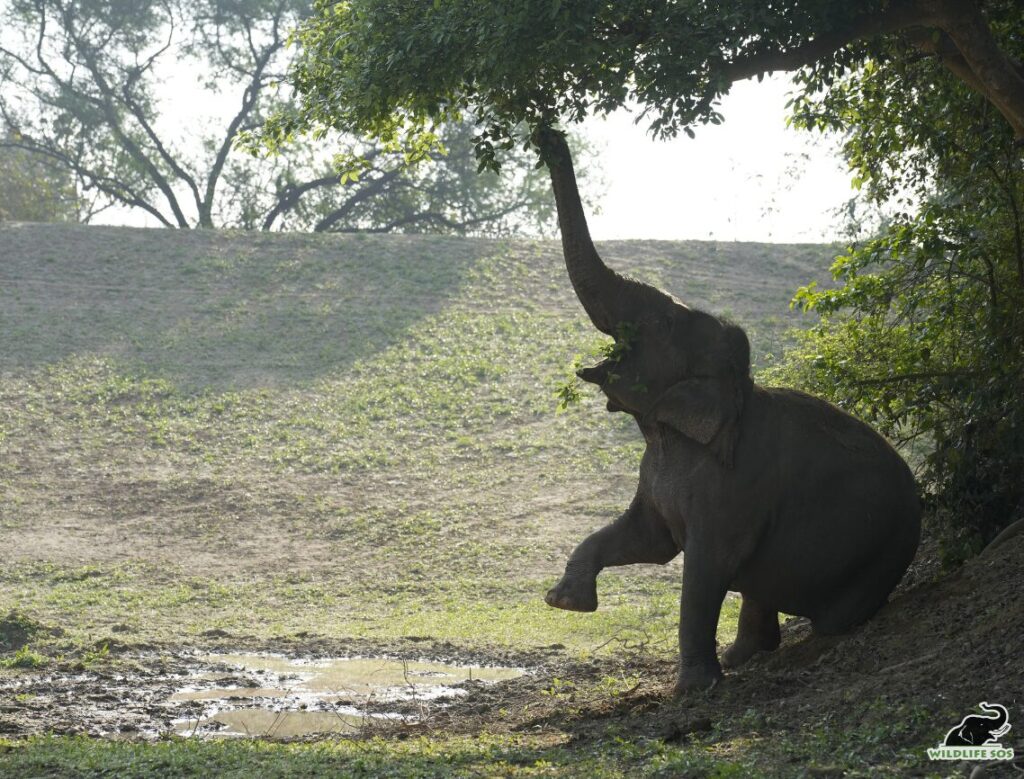
This is a key issue often overlooked because its immediate impact may not be visible to all. But when the space to exist diminishes for one species, it inevitably affects the larger ecosystem, and eventually, humanity itself. We have the knowledge and the tools to do better, and so every choice, every step, and every voice contributes to a larger movement, one where coexistence is not just possible, but sustainable and in turn restores a balance in nature. This is why Wildlife SOS continues to work towards ending such exploitative practices, with the vision of putting an end to the use of elephants for begging by 2030. Through sustained rescue efforts and awareness, the goal is not only to help elephants already living in cruelty, but also to prevent future generations from facing the same fate. At the same time, campaigns like Refuse To Ride encourage tourists to make a conscious choice, not to support elephant rides, because every ride accepted keeps the cycle alive.

Elephants have always been resilient, but their survival depends on us taking deliberate action today.
The Final Straw
The path forward is clear and necessary. Maintaining pathways for elephants to walk through allows them to reclaim their true space in the wild. While conservation initiatives remain essential and require a boost, they must stand as reminders of bringing an end to wildlife suffering. And reaching here requires collaborative efforts.
Elephants remind us of the interconnectedness of life on Earth and supporting conservation efforts, spreading awareness, and making responsible choices can all contribute to change. Communities, organisations, and individuals all form components that build the great arch of change. We must recognize that when we safeguard the elephant’s path, we are ultimately clearing the obstacles from our own future.
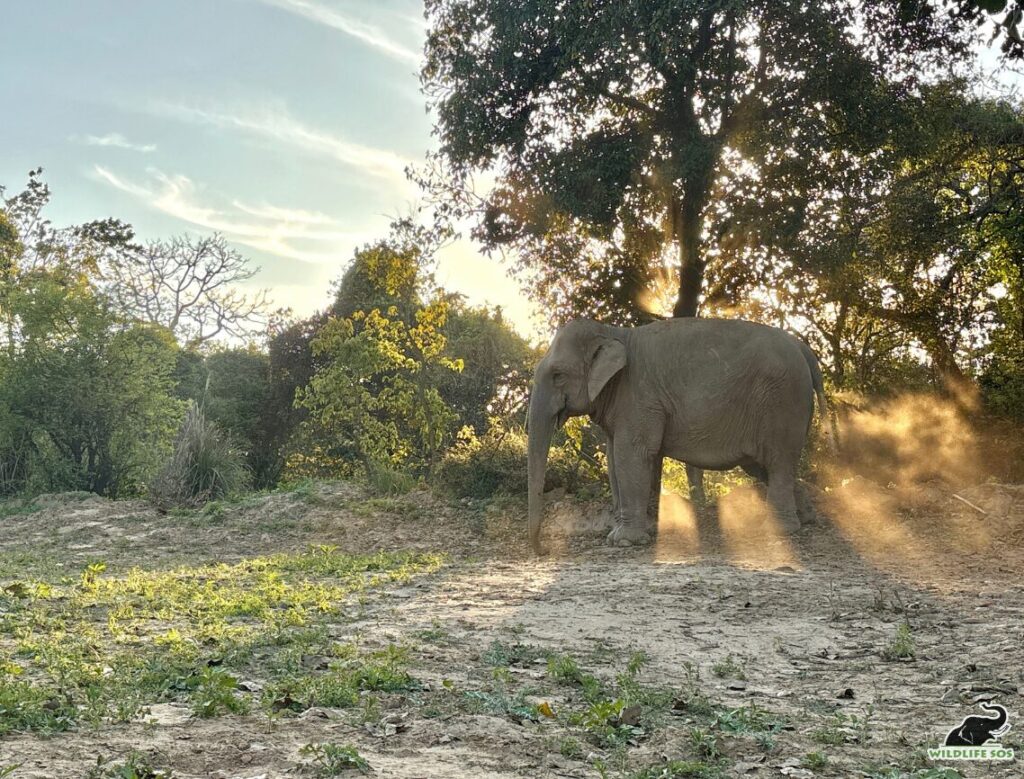
It is time to address the ‘Elephant in the Room’ not as a metaphor, but as a living reality that demands our protection. We must defend what remains, so that together, we can create a future where elephants are not just remembered in stories and traditions, but continue to live freely, as they always should have since the dawn of time.
If you ever come across an elephant in distress, do not look away, report it. You can reach out to the Wildlife SOS Elephant Helpline +91-9971699727 and ensure timely intervention.
Feature image: Suryoday Singh Mann / Wildlife SOS