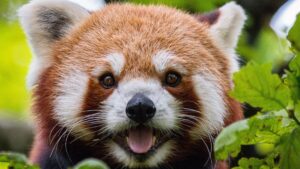
Every year from July 1 to July 7, India celebrates Van Mahotsav, the Festival of Forests. A week is dedicated to planting trees and inspiring people to become active participants in protecting nature. While planting a sapling may seem like a small act, each native tree has the potential to restore habitats, improve biodiversity, and create healthier ecosystems for both wildlife and people.

Across India, Van Mahotsav brought people together to plant, learn, and take meaningful steps towards restoring the natural world that wildlife calls home. [Photo © Wildlife SOS/ Shresatha Pachori]
At Wildlife SOS, Van Mahotsav is much more than an annual celebration. It reflects our long-term commitment to habitat restoration, environmental education, and community participation. This year as well, our teams across the country organised plantation drives, awareness programmes, creative workshops, and volunteer activities that brought together students, corporate partners, government agencies, and local communities, all united by the shared goal of creating a greener future.
Small Actions, Big Impact in Bengaluru
Van Mahotsav celebrations at the Bannerughatta Bear Rescue Centre (BBRC) focused on showing how simple actions can collectively make a significant difference.
As many as 25 volunteers from the multinational banking institution JP Morgan Chase (JPMC) joined the celebrations on July 2 by participating in plantation activities, preparing seed balls, and learning about Wildlife SOS’s conservation work. Their enthusiasm extended beyond the rescue centre, as they also participated in a cleanliness drive in Bengaluru, reinforcing the connection between clean environments and healthy wildlife habitats.

With their hands in the soil, volunteers took part in creating the habitats of tomorrow. [Photo © Wildlife SOS/ Abhiman]
As the visit coincided with International Plastic Bag Free Day, volunteers also prepared reusable paper bags, highlighting how reducing plastic waste goes hand in hand with protecting natural ecosystems.
Another group of 25 volunteers from the renowned corporation Google visited the rescue centre on July 3 to learn about the rescue and rehabilitation of sloth bears before participating in an engaging seed ball-making activity. Seed balls, which contain native seeds enclosed in soil and compost, offer an effective way to support reforestation by helping seeds germinate naturally during the monsoon.

From making seed balls to choosing paper over plastic, volunteers turned simple actions into meaningful steps for nature. [Photo © Wildlife SOS/ Abhiman]
Similarly, on July 4, Wildlife SOS partnered with Haleon, a globally leading healthcare company, to organise engaging seed ball-making and paper bag-making activities, encouraging participants to adopt simple yet impactful practices that support nature conservation in their everyday lives.
Together, these activities demonstrated that environmental conservation is not limited to planting trees, it also includes reducing waste, restoring habitats, and making sustainable choices.
Planting Hope in Mathura
The celebrations reached the Elephant Conservation and Care Centre (ECCC) in Mathura, when employees from Tata Motors’ Commercial Division joined the Wildlife SOS team for a plantation drive on July 6.

At ECCC, the work of caring for rescued elephants extends beyond their enclosures, to nurturing the natural world around them. [Photo © Wildlife SOS/ Shresatha Pachori]
Together, participants planted native saplings around the centre, contributing to the green landscape that supports local biodiversity. Beyond improving the environment, these plantations will also strengthen the habitat surrounding the elephants in our care while encouraging visitors and volunteers to play an active role in conservation.
The activity highlighted how corporate partnerships can make meaningful contributions towards restoring natural ecosystems, one tree at a time.
Inspiring Young Conservationists in Agra
On July 5, at Soor Sarovar Bird Sanctuary, Agra, Wildlife SOS collaborated with the forest department to organise a plantation drive that brought together students from Maa Kaila Devi Inter College and Sunlord Public School in the Loh Karera region. The event encouraged students to connect with nature beyond the classroom by learning about forests, biodiversity and wildlife conservation through direct participation.

From planting saplings to putting conservation into words and pictures, students in Agra found meaningful ways to celebrate Van Mahotsav. [Photo © Wildlife SOS/ Shresatha Pachori]
To further nurture environmental awareness, drawing and essay-writing competitions were organised in both schools before the plantation drive. Students expressed their ideas on protecting forests and wildlife through art and storytelling, and the winners were felicitated during the Van Mahotsav celebration at the bird sanctuary.
By combining education with hands-on conservation, the initiative encouraged children to become lifelong ambassadors for the environment.
Conservation Education in the Himalayas
In Jammu & Kashmir, Wildlife SOS marked Van Mahotsav by focusing on education and community engagement. Over the week, our team conducted eight biodiversity awareness programmes at the Dachigam Rescue Centre in collaboration with five schools across Kashmir — Govt. Boys Higher Secondary School (Rawalpora), Govt. Girls Higher Secondary School (Ganderbal), Radiant Public School (Bemina), Kashmir Harvard Educational Institute (Srinagar) and New Sunflower School (Chatterhama). These sessions introduced students to the rich flora of the Himalayan region, emphasising the importance of protecting native plant species and understanding their role in maintaining healthy ecosystems.

Through awareness programmes and plantation drives, students across Kashmir explored the importance of protecting the native flora that sustains Himalayan biodiversity. [Photo © Wildlife SOS]
The celebrations culminated on July 7 with a biodiversity awareness programme and plantation drive at Dubjan, Hirpora Wildlife Sanctuary, organised in collaboration with Government Degree College, Shopian and the Department of Wildlife Protection.
By connecting young people with the unique biodiversity of the Himalayas, these programmes encouraged students to become active participants in conserving the natural heritage of their region.
Growing Forests Beyond Van Mahotsav
While Van Mahotsav lasts only a week, Wildlife SOS’s efforts to restore habitats continue throughout the year. Our plantation initiatives prioritise native tree species that help create habitats for birds, insects, mammals, and countless other forms of wildlife. Supported by our seed bank, rewilding projects, and habitat restoration programmes, every plantation drive contributes to a larger vision of rebuilding resilient ecosystems for the future.

A forest does not return overnight. It begins with one sapling, one seed, and a commitment to bring the wild back. [Photo © Wildlife SOS/ Akash Dolas]
Over the years, Wildlife SOS has planted more than 5,00,000 native trees around the Elephant Conservation and Care Centre, Uttar Pradesh and Ramdurga Valley, Karnataka. These efforts have helped restore natural habitats and create spaces that support the return of birds, insects, and other wildlife. They are part of our Rewild for Wild project, which aims to restore degraded landscapes and create healthier ecosystems for wildlife.
Whether it was students planting their very first sapling, volunteers shaping seed balls, corporate teams giving back to nature, or communities learning about native biodiversity, this year’s Van Mahotsav showed that conservation grows strongest when people come together. Every tree planted today is an investment in cleaner air, healthier forests, and safer homes for wildlife tomorrow.
With your support, we can continue planting native trees, restoring degraded landscapes, and bringing life back to spaces that need it most. Support our Rewild for Wild project and help us grow a greener future for wildlife. You can also bring conservation closer to your school or workplace. Wildlife SOS conducts engaging seed ball-making workshops for schools and corporate groups. These hands-on activities offer participants an opportunity to learn about native plants and take part in habitat restoration. Learn more about this by writing to us at [email protected]
Feature Image: Shresatha Pachori/ Wildlife SOS